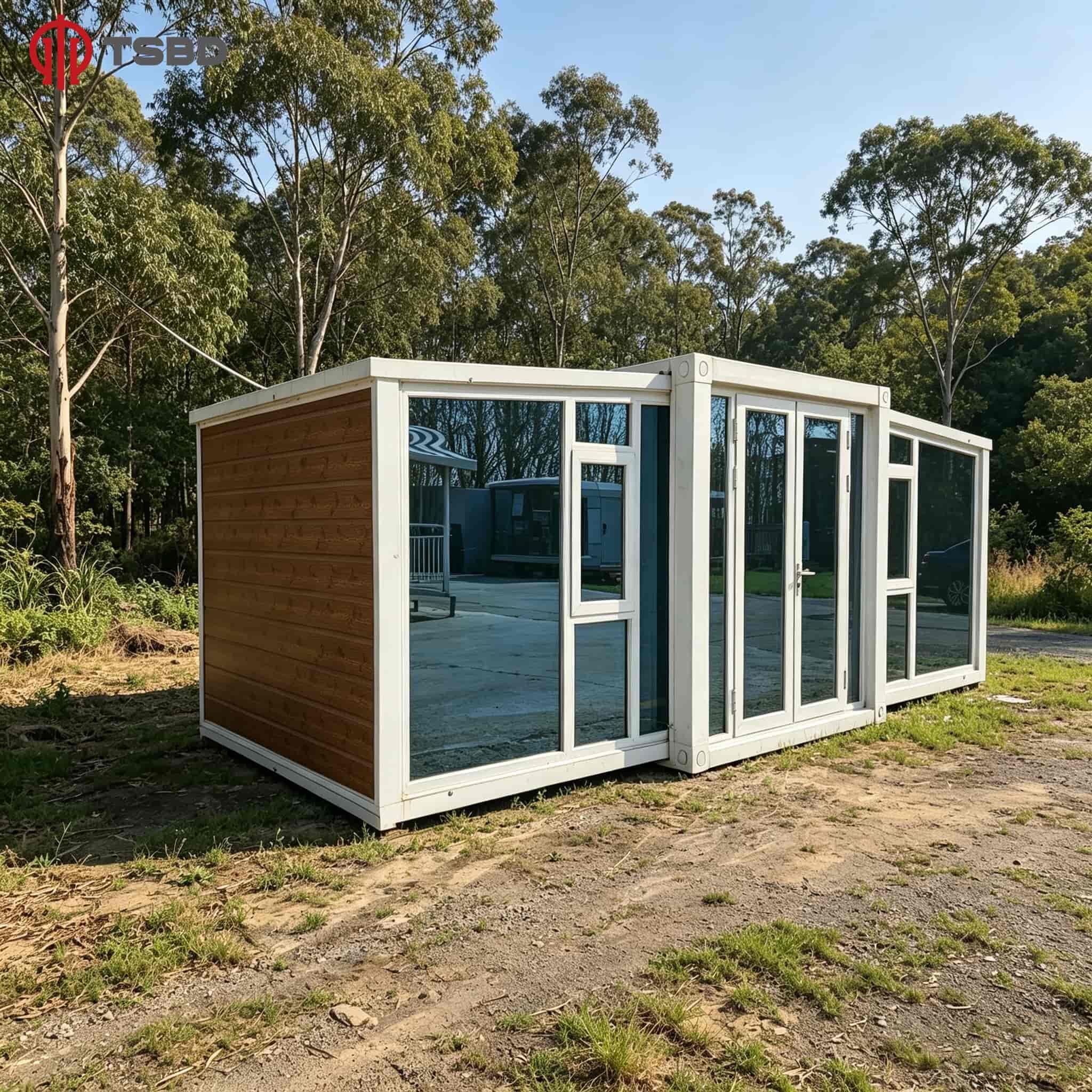
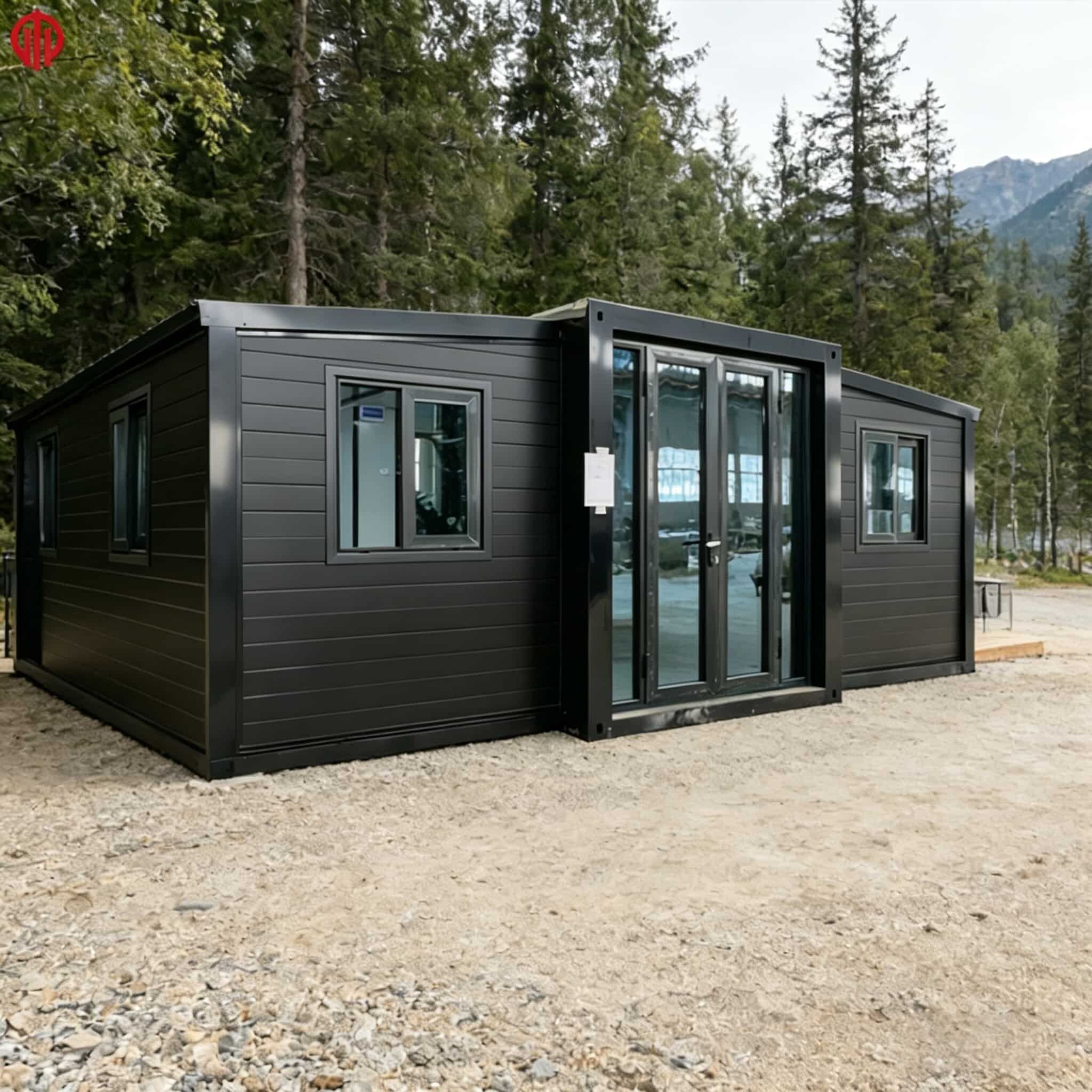
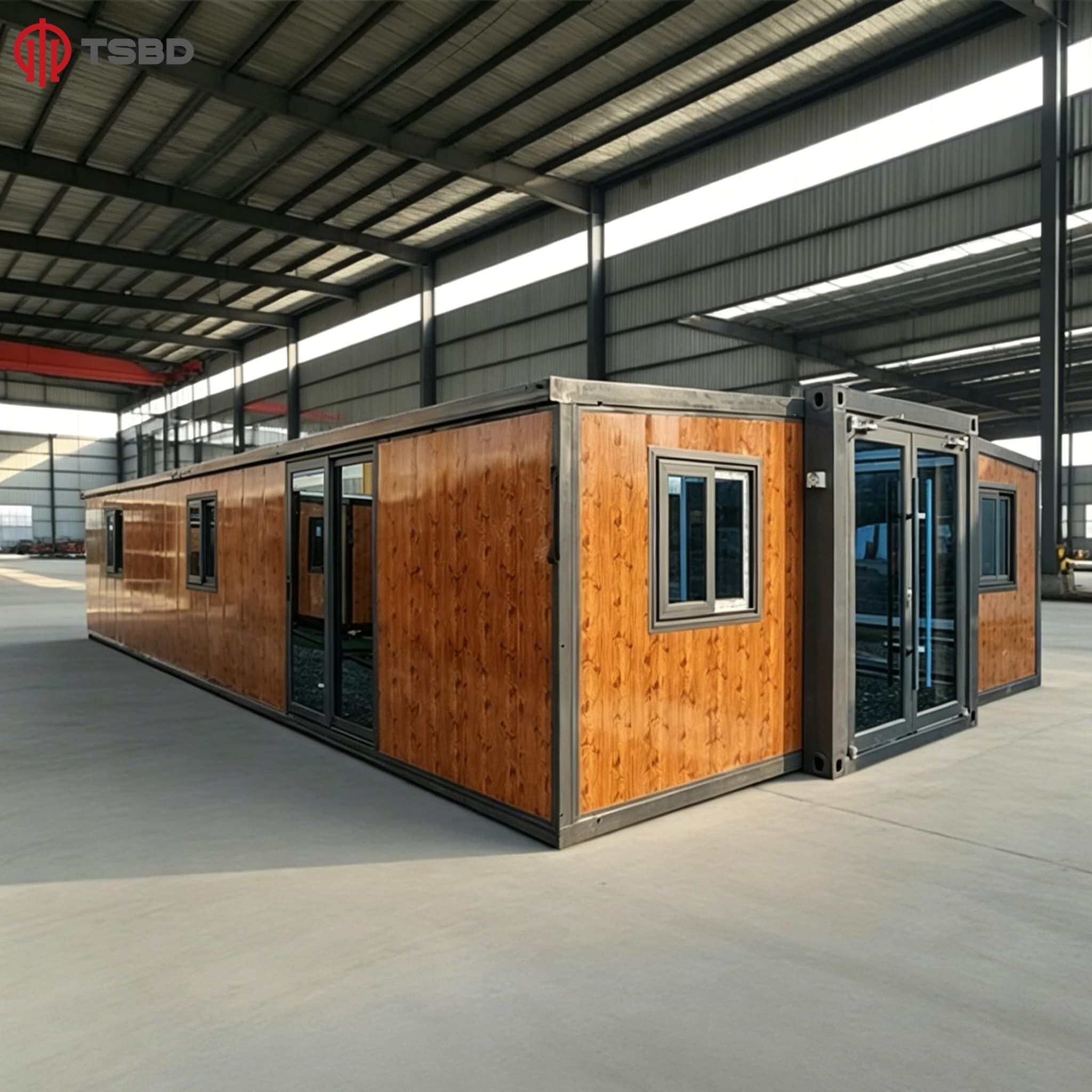
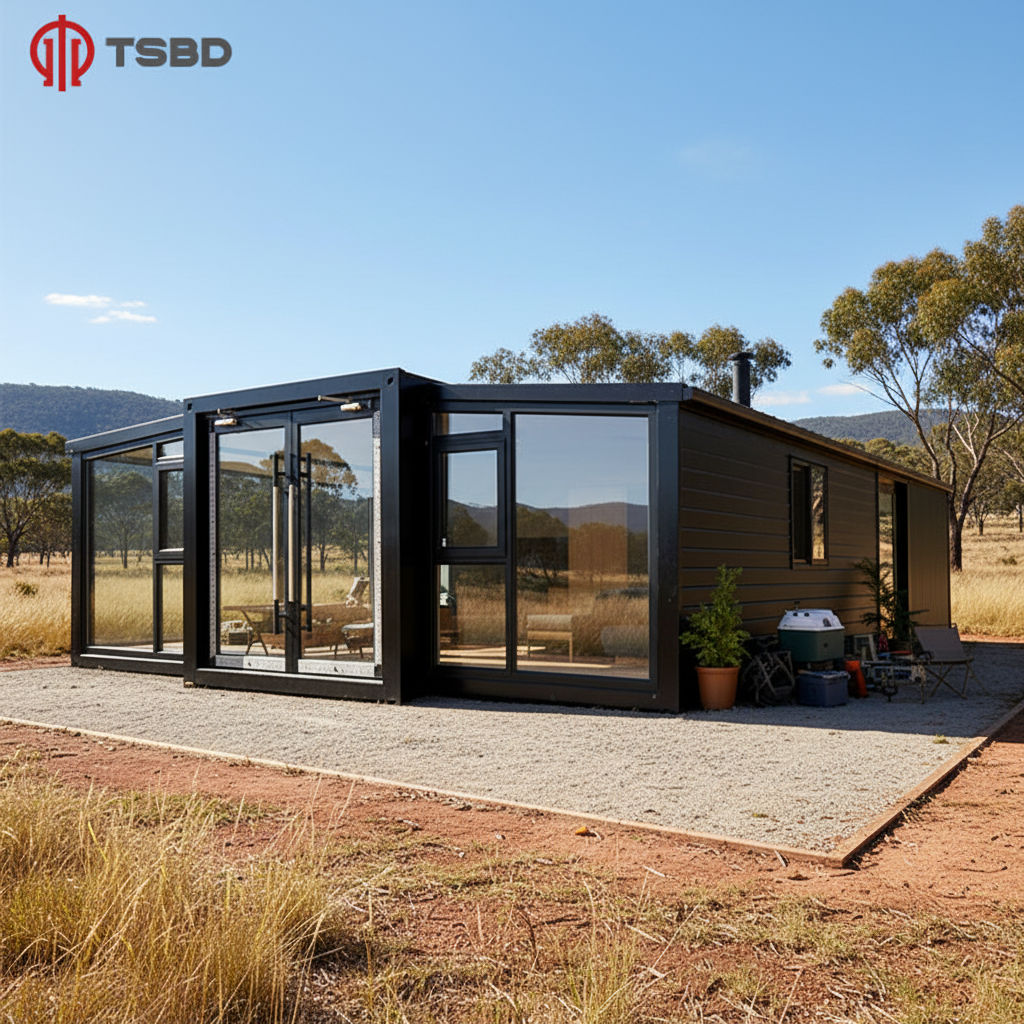
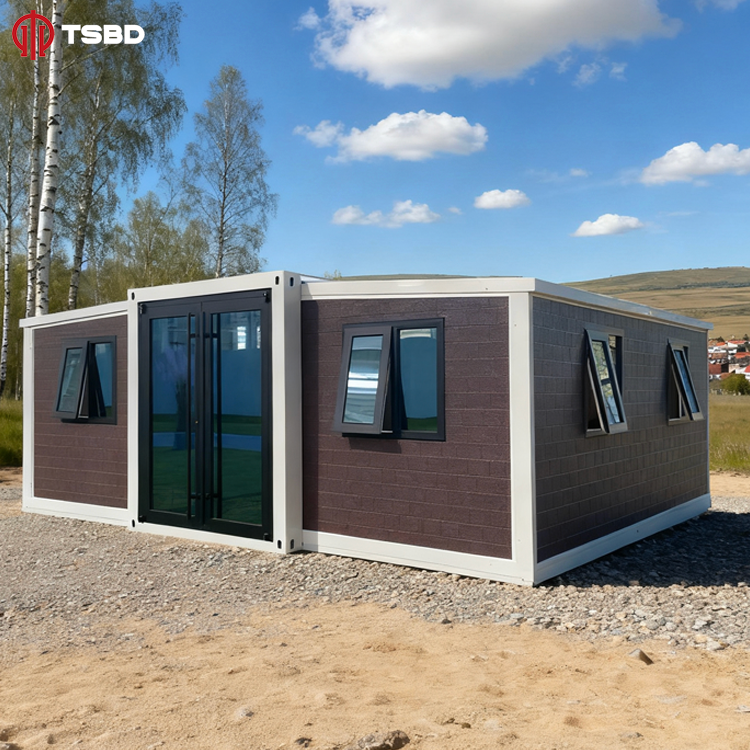
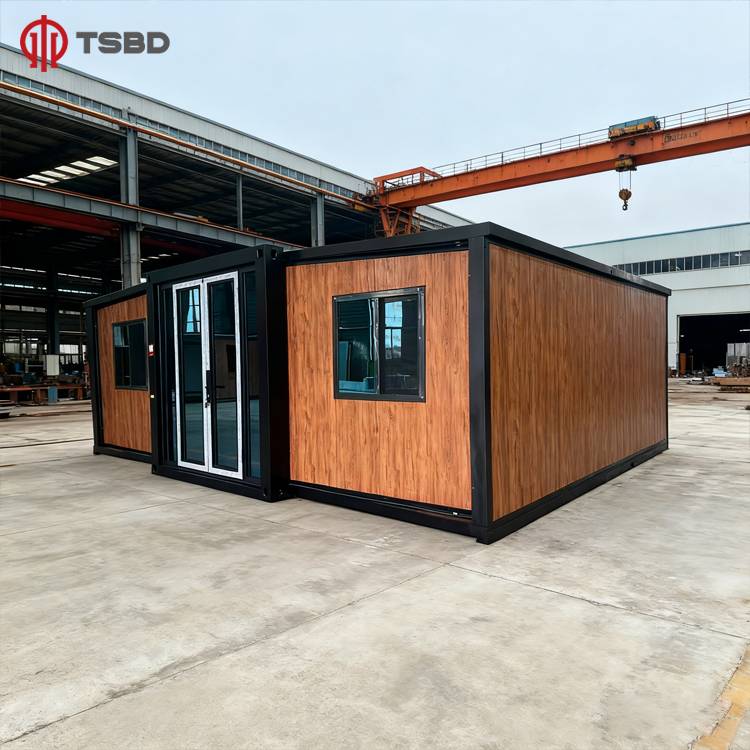
Foldable House for Office Use: Portable Workspace Solutions for Modern Businesses

foldable house for office use

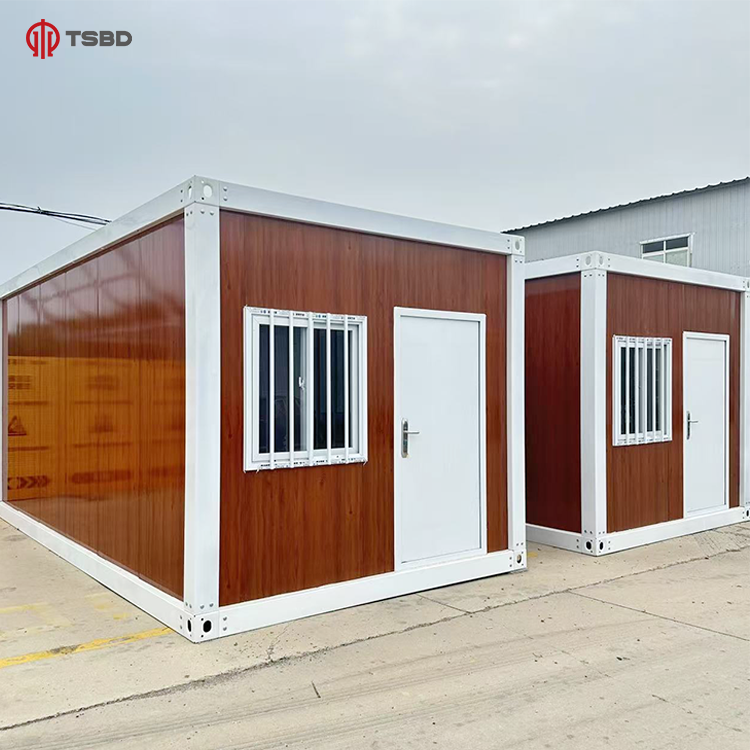
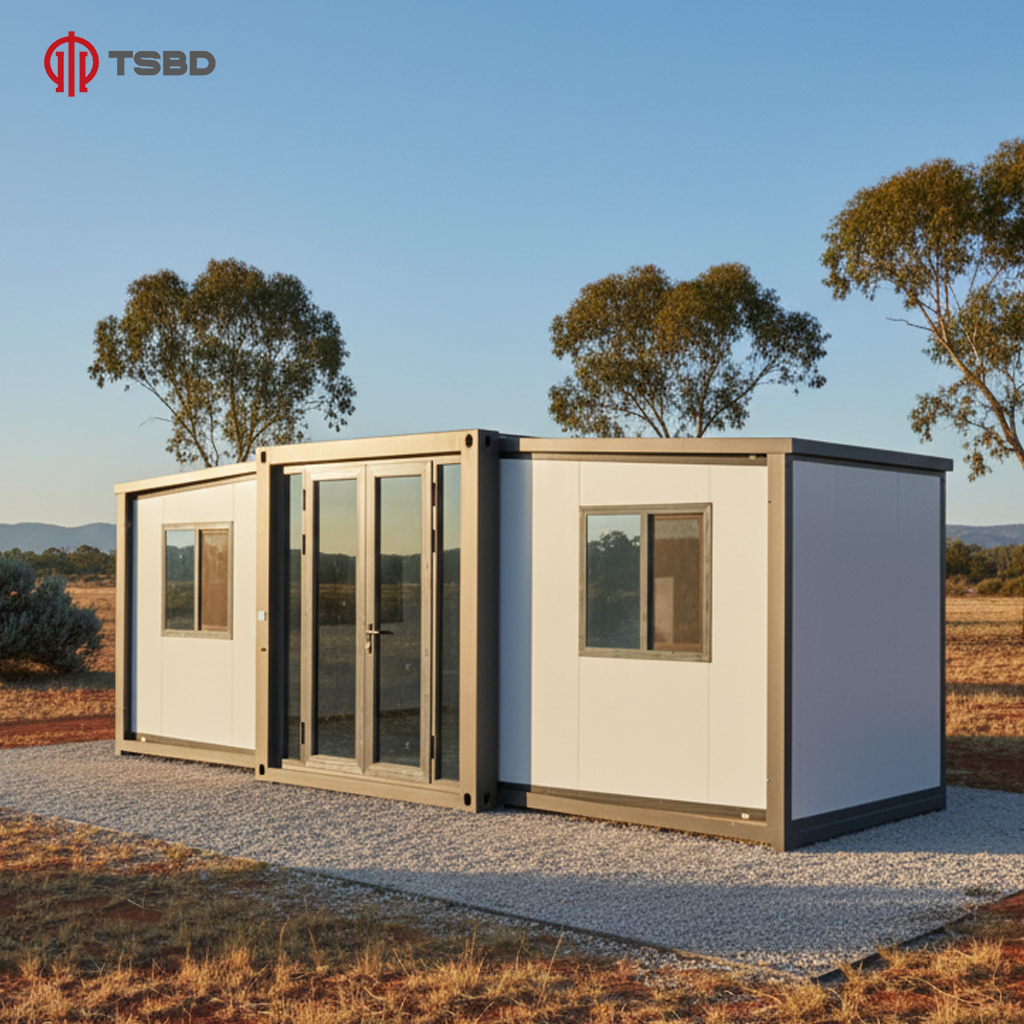
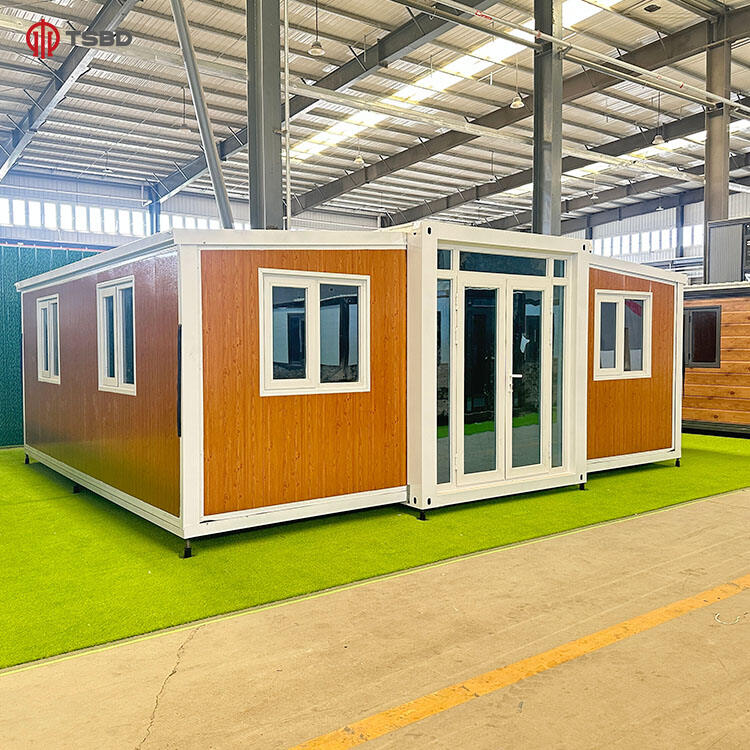
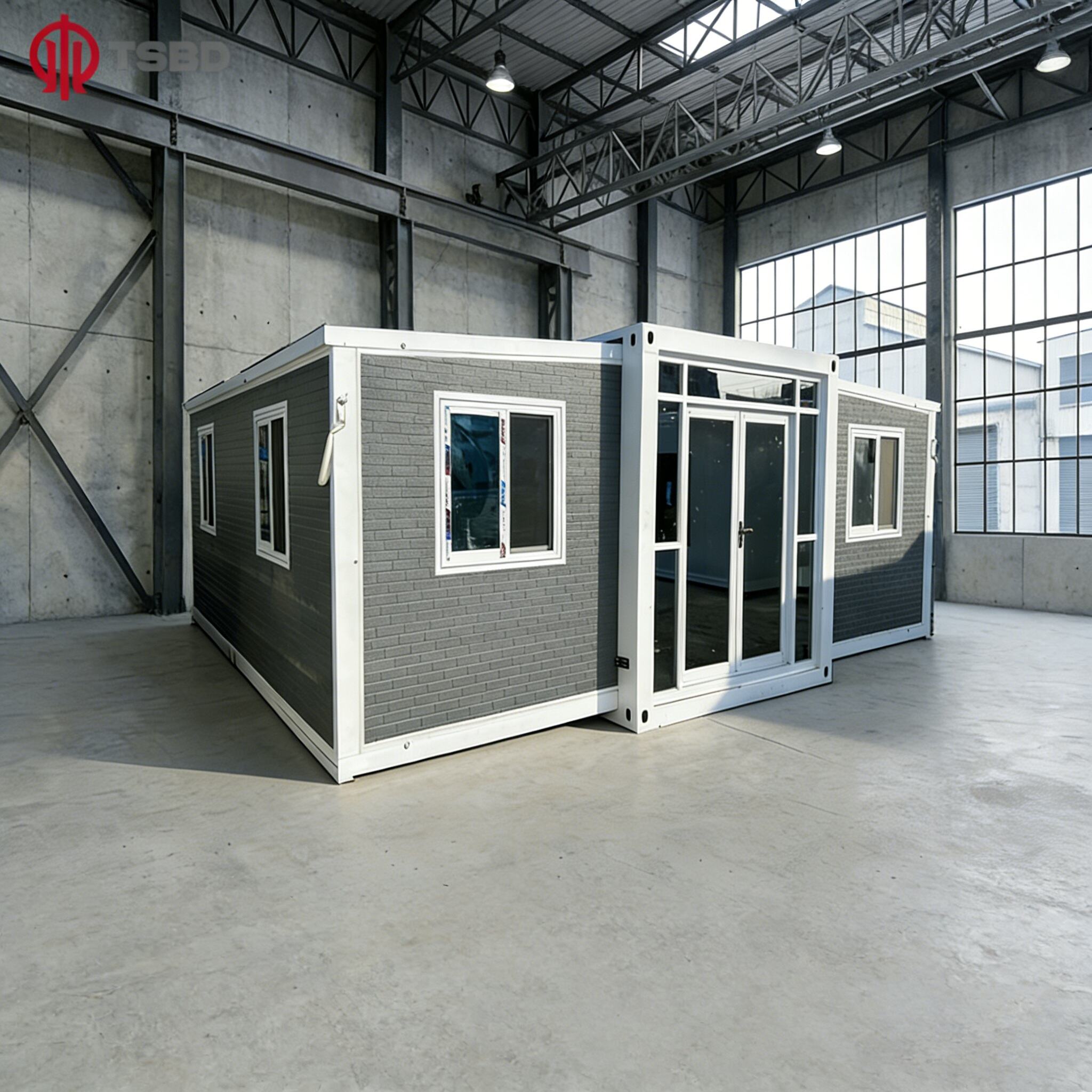
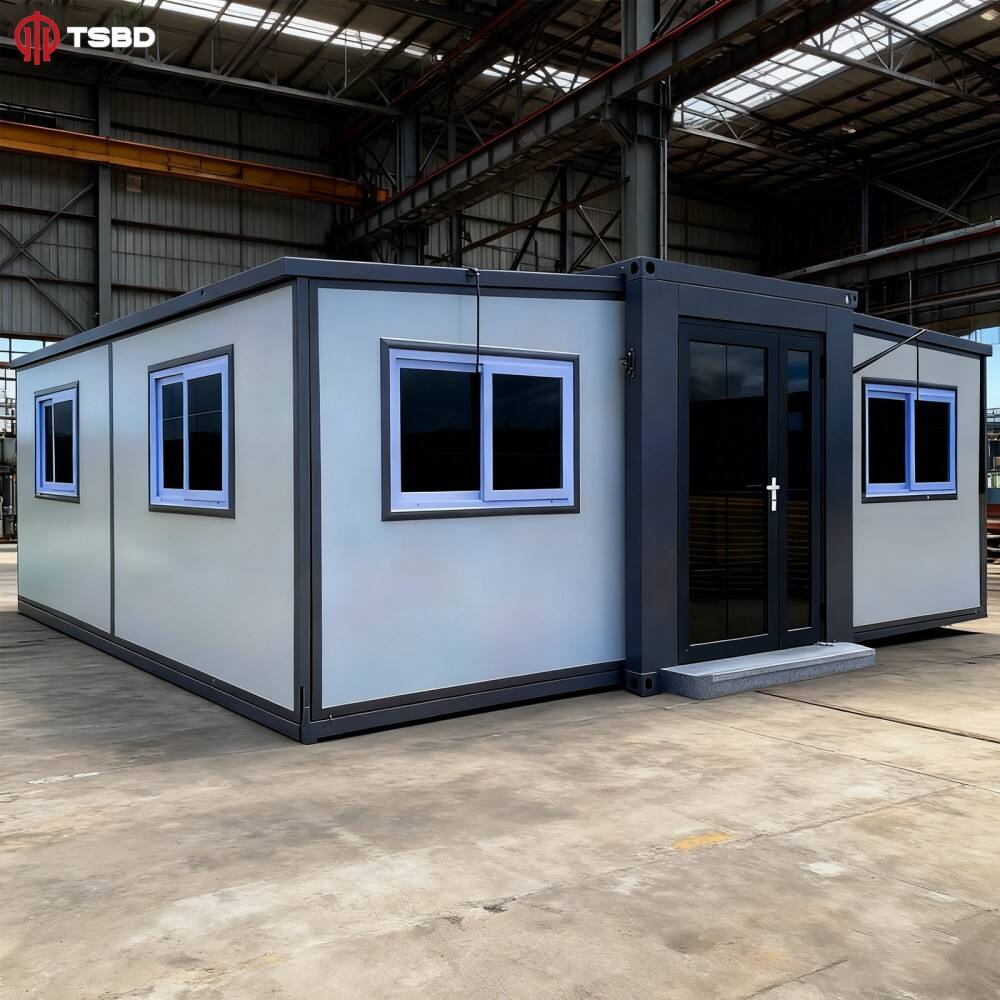
The foldable house for office use represents a revolutionary approach to modern workspace design, combining innovative engineering with practical functionality. This cutting-edge structure offers businesses and professionals a flexible, portable solution that addresses the evolving needs of contemporary work environments. The foldable house for office use is constructed using durable materials including galvanized steel frames and insulated sandwich panels, ensuring structural integrity while maintaining the ability to expand and contract as needed. The primary function of this innovative workspace is to provide a complete office environment that can be transported, assembled, and relocated with remarkable ease. These units typically unfold from a compact shipping configuration into a fully functional office space within hours, eliminating the extended construction timelines associated with traditional buildings. The technological features integrated into the foldable house for office use include pre-installed electrical systems, climate control capabilities, and customizable interior layouts that accommodate various professional requirements. Applications for this versatile structure span across numerous industries and scenarios. Construction companies utilize these units as on-site project offices, allowing management teams to maintain proximity to active work zones. Technology startups employ them as scalable office solutions that grow alongside their expanding teams. Remote locations benefit significantly from the foldable house for office use, particularly in mining operations, agricultural management centers, and environmental research stations where permanent construction proves impractical or impossible. Disaster relief organizations deploy these structures as temporary administrative centers, while event management companies use them as control rooms and coordination hubs. The modular nature of the foldable house for office use enables multiple units to connect, creating larger workspace configurations when necessary. This adaptability makes them ideal for businesses experiencing rapid growth or seasonal fluctuations in staffing needs. Educational institutions have discovered their value as temporary classrooms and administrative offices during campus renovations, while government agencies utilize them for emergency response coordination and temporary service centers. The fusion of portability, durability, and functionality positions the foldable house for office use as an intelligent investment for organizations seeking cost-effective, sustainable workspace solutions.

New Product Releases

Choosing a foldable house for office use delivers substantial cost savings compared to conventional construction methods. Traditional office buildings require significant capital investment, lengthy construction periods, and permanent commitment to a specific location. In contrast, the foldable house for office use arrives ready for deployment, reducing project timelines from months to mere days. This rapid installation translates directly into faster business operations and immediate return on investment. Labor costs decrease dramatically because assembly requires minimal specialized skills and fewer workers. Your organization avoids expenses associated with site preparation, foundation work, and extended contractor fees. The transportable nature means you can relocate your office without abandoning your investment, preserving asset value regardless of changing business circumstances. Flexibility stands as another compelling advantage that makes the foldable house for office use exceptionally practical. Your business needs evolve constantly, and this structure adapts accordingly. Expand your workspace by connecting additional units during growth phases, then reduce your footprint when circumstances change. This scalability eliminates the common problem of paying for unused space or scrambling to find additional room during expansion. The interior configuration adjusts to accommodate different work styles, whether you need private offices, open collaboration areas, or meeting rooms. You maintain control over your workspace without being locked into inflexible lease agreements or permanent structures that become obsolete as your organization transforms. Environmental benefits make the foldable house for office use an increasingly attractive option for sustainability-conscious organizations. The construction process generates minimal waste compared to traditional building methods. Energy-efficient insulation maintains comfortable interior temperatures while reducing heating and cooling costs throughout the year. Many units incorporate solar panel compatibility, allowing you to reduce dependence on grid electricity. The reusable nature of these structures means materials stay in circulation rather than contributing to landfill waste when you no longer need them at a particular location. Durability ensures your foldable house for office use withstands challenging conditions while requiring minimal maintenance. Weather-resistant materials protect against rain, wind, and temperature extremes. The steel framework provides structural strength that endures for decades with basic care. Unlike temporary trailers that deteriorate quickly, these units maintain their integrity and appearance over extended periods. Security features protect your equipment and documents, with lockable doors and windows that meet commercial standards. The solid construction provides sound insulation that creates a professional work environment free from external distractions. Convenience permeates every aspect of using these innovative structures. Pre-installed systems mean your office arrives equipped with electrical wiring, lighting fixtures, and climate control capabilities. You simply connect utilities and begin working immediately. Maintenance requirements remain minimal, freeing your resources for core business activities rather than building upkeep. The foldable house for office use empowers your organization with unprecedented workspace freedom, combining economic practicality with operational flexibility.

Latest News

What factors influence the cost of a mobile home for large-scale projects?

14

May

What factors influence the cost of a mobile home for large-scale projects?

When planning large-scale construction projects that require temporary or semi-permanent housing solutions, understanding the cost structure of a mobile home becomes essential for accurate budgeting and project feasibility analysis. The investment in...
View More
What factors influence the cost and value of a tiny home today?

14

May

What factors influence the cost and value of a tiny home today?

Understanding what drives the cost and value of a tiny home has become essential for buyers, investors, and housing enthusiasts navigating today's evolving residential landscape. The tiny home movement continues to gain momentum as more people seek a...
View More
Why portable house is suitable for temporary and long-term use cases?

14

May

Why portable house is suitable for temporary and long-term use cases?

The modern construction landscape has witnessed a remarkable shift toward adaptable housing solutions that address both immediate shelter needs and sustained residential requirements. A portable house represents a versatile architectural innovation d...
View More
How portable house solutions support flexible living and working environments?

14

May

How portable house solutions support flexible living and working environments?

The modern world demands adaptability in how we live and work, and portable house solutions have emerged as a transformative response to this need. As remote work becomes standard practice, professionals seek environments that combine comfort with mo...
View More

Get a Free Quote

Our representative will contact you soon.
Email
Name
Company Name
Message
0/1000

foldable house for office use

Rapid Deployment and Installation Efficiency

Rapid Deployment and Installation Efficiency

The foldable house for office use revolutionizes workspace establishment through its extraordinary deployment speed, fundamentally changing how quickly organizations can become operational. Traditional office construction involves complex processes spanning months, including architectural planning, permit acquisition, foundation preparation, frame construction, exterior finishing, interior completion, and system installation. Each phase introduces delays, weather dependencies, and coordination challenges that push timelines further into the future. The foldable house for office use eliminates these obstacles through intelligent pre-fabrication and engineered folding mechanisms. Manufacturing occurs in controlled factory environments where quality standards remain consistent and weather never interrupts progress. Every component undergoes rigorous testing before shipping, ensuring your unit arrives ready for immediate deployment. The folding mechanism itself represents remarkable engineering achievement, allowing a complete office structure to compress into a shipping-friendly configuration that fits standard transport containers. Upon arrival at your designated location, the unfolding process begins with straightforward procedures that require only basic tools and minimal personnel. Hydraulic systems or manual mechanisms guide the expansion, with walls, roof, and floor sections moving into their operational positions along predetermined paths. Connection points align precisely due to factory calibration, eliminating the trial-and-error adjustments that plague traditional construction. Within hours rather than months, your foldable house for office use transforms from a compact package into a fully enclosed, weather-tight workspace ready for occupancy. This installation efficiency delivers profound business advantages. Project managers overseeing construction sites establish on-site offices immediately, improving communication and decision-making from day one. Emergency response organizations deploy operational centers rapidly when disasters strike and every minute counts. Businesses entering new markets test locations without committing to permanent construction, reducing risk while exploring opportunities. Seasonal operations scale up quickly during peak periods, then contract efficiently when demand subsides. The speed advantage of the foldable house for office use extends beyond initial installation to include relocation scenarios. When your business needs change or contracts complete, the folding process reverses just as quickly. Your office packs away efficiently, moves to the next location, and redeploys with the same remarkable speed. This mobility preserves your investment value across multiple projects and locations, unlike conventional buildings that remain fixed regardless of changing circumstances. The time savings translate directly into competitive advantages, allowing your organization to respond swiftly to opportunities while competitors remain constrained by traditional construction limitations.
Cost-Effectiveness and Financial Advantages

Cost-Effectiveness and Financial Advantages

Investing in a foldable house for office use delivers exceptional financial benefits that extend far beyond the initial purchase price, creating value through multiple economic mechanisms that traditional construction cannot match. The upfront cost comparison immediately reveals substantial savings, with foldable units typically costing a fraction of equivalent conventional office buildings. This affordability stems from efficient manufacturing processes, standardized components, and factory-based construction that eliminates weather delays and site-specific complications. However, the financial advantages of the foldable house for office use penetrate much deeper than simple price comparison. Traditional construction requires extensive site preparation including land clearing, excavation, foundation pouring, and utility installation, each step consuming budget and time. The foldable house for office use minimizes these requirements, often needing only a level surface and utility connection points. Reduced site work translates directly into lower project costs and faster budget-to-operation timelines. Labor expenses decrease dramatically because assembly requires fewer workers with less specialized training compared to conventional construction teams. Your organization avoids the premium rates charged by specialized tradespeople across multiple disciplines, instead deploying a small crew capable of completing installation efficiently. Hidden costs that plague traditional construction projects disappear with the foldable house for office use. Conventional buildings generate unexpected expenses through design changes, material price fluctuations, weather delays, and coordination failures among multiple contractors. The pre-fabricated nature of foldable units provides price certainty, with transparent costs established before purchase. You receive a complete package with predictable deployment expenses, eliminating the budget overruns that commonly afflict traditional construction. Operating cost advantages continue delivering savings throughout the structure's lifetime. Energy-efficient insulation maintains comfortable temperatures while minimizing heating and cooling expenses. Modern materials require minimal maintenance compared to traditional buildings that demand regular painting, repairs, and component replacements. The foldable house for office use preserves asset value through reusability, allowing relocation to new sites without abandoning your investment. This mobility creates unique financial flexibility unavailable with permanent structures. When project phases complete or business strategies shift, you simply relocate your office rather than selling property at potentially unfavorable terms or continuing to pay for space you no longer need. Tax advantages may apply depending on jurisdiction, with foldable structures sometimes classified as equipment rather than real property, offering different depreciation schedules and potential benefits. Financing options often prove more accessible for movable assets compared to real estate, expanding your capital access. The return on investment calculation for a foldable house for office use consistently outperforms traditional construction across diverse scenarios. Faster deployment means earlier revenue generation for businesses waiting to begin operations. Lower initial costs preserve capital for core business investments rather than tying resources in permanent structures. Reduced operating expenses improve ongoing profitability. Reusability extends asset life across multiple projects and locations. These combined financial advantages make the foldable house for office use not merely an alternative to conventional construction, but a superior economic choice for organizations prioritizing fiscal responsibility alongside operational effectiveness.
Environmental Sustainability and Ecological Responsibility

Environmental Sustainability and Ecological Responsibility

The foldable house for office use embodies environmentally conscious design principles that align business operations with ecological responsibility, addressing growing concerns about construction industry environmental impacts. Traditional building methods consume vast resources, generate substantial waste, and create lasting environmental footprints that contradict sustainability goals. The foldable house for office use offers a fundamentally different approach, minimizing ecological disruption while delivering full workspace functionality. Manufacturing efficiency forms the foundation of these environmental advantages. Factory-based construction allows precise material calculation, reducing waste generation compared to on-site building where overordering and cutting waste contribute significantly to landfill volumes. Controlled production environments optimize resource utilization, with offcuts and surplus materials recycled within manufacturing facilities rather than discarded at construction sites. The standardized components of the foldable house for office use enable economies of scale in material sourcing, supporting supply chains that prioritize sustainable forestry, recycled steel, and low-impact manufacturing processes. Transportation efficiency further enhances the environmental profile. The compact folded configuration allows efficient shipping, with multiple units fitting into single transport loads that would be required for delivering equivalent traditional building materials. Reduced transportation frequency means lower fuel consumption and decreased emissions associated with logistics. Site impact minimization represents another crucial ecological advantage of the foldable house for office use. Traditional construction disturbs soil, removes vegetation, requires extensive excavation, and permanently alters landscapes. Foldable units need minimal site preparation, preserving existing ground conditions and reducing erosion risks. The lightweight foundation requirements avoid deep excavation and extensive concrete pouring, preserving soil structure and underground water flows. When relocated, the foldable house for office use leaves minimal trace, allowing sites to recover naturally rather than bearing permanent construction scars. Energy efficiency during operation distinguishes the foldable house for office use as an environmentally responsible workspace choice. Advanced insulation materials maintain stable interior temperatures, reducing heating and cooling energy demands throughout seasonal variations. Tight construction tolerances eliminate air leakage that plagues hastily constructed traditional buildings, further improving thermal performance. Many units accommodate solar panel installations, enabling renewable energy generation that reduces grid dependence and lowers operational carbon footprints. LED lighting systems and energy-efficient climate control options integrate seamlessly, creating workspaces that minimize ongoing environmental impact while maintaining occupant comfort. Material lifecycle considerations extend the environmental benefits across decades. The durability of components means the foldable house for office use serves effectively for extended periods, avoiding the resource consumption associated with frequent replacement or renovation. When units eventually reach end-of-life, the modular construction facilitates material separation and recycling, with steel frames, insulation materials, and panel components entering appropriate recycling streams rather than becoming demolition waste. This circular approach contrasts sharply with traditional buildings that often proceed directly to landfills when demolished. The reusability factor amplifies environmental advantages significantly. A single foldable house for office use serves multiple purposes across various locations throughout its lifespan, effectively replacing several conventional structures that would otherwise require independent construction. This multiplication effect reduces cumulative environmental impact dramatically compared to traditional building approaches. Organizations committed to environmental responsibility find the foldable house for office use aligns perfectly with sustainability initiatives, corporate social responsibility programs, and green building certifications. The reduced carbon footprint, minimal site disruption, energy efficiency, and lifecycle sustainability combine to create workspace solutions that serve business needs without compromising ecological values.

Get a Free Quote

Our representative will contact you soon.
Email
Name
Company Name
Message
0/1000

Copyright © 2026 Tangshan Waiyang Supply Chain Management Co., Ltd. Beijing All rights reserved.  -  Privacy policy