Environmental Sustainability and Ecological Responsibility
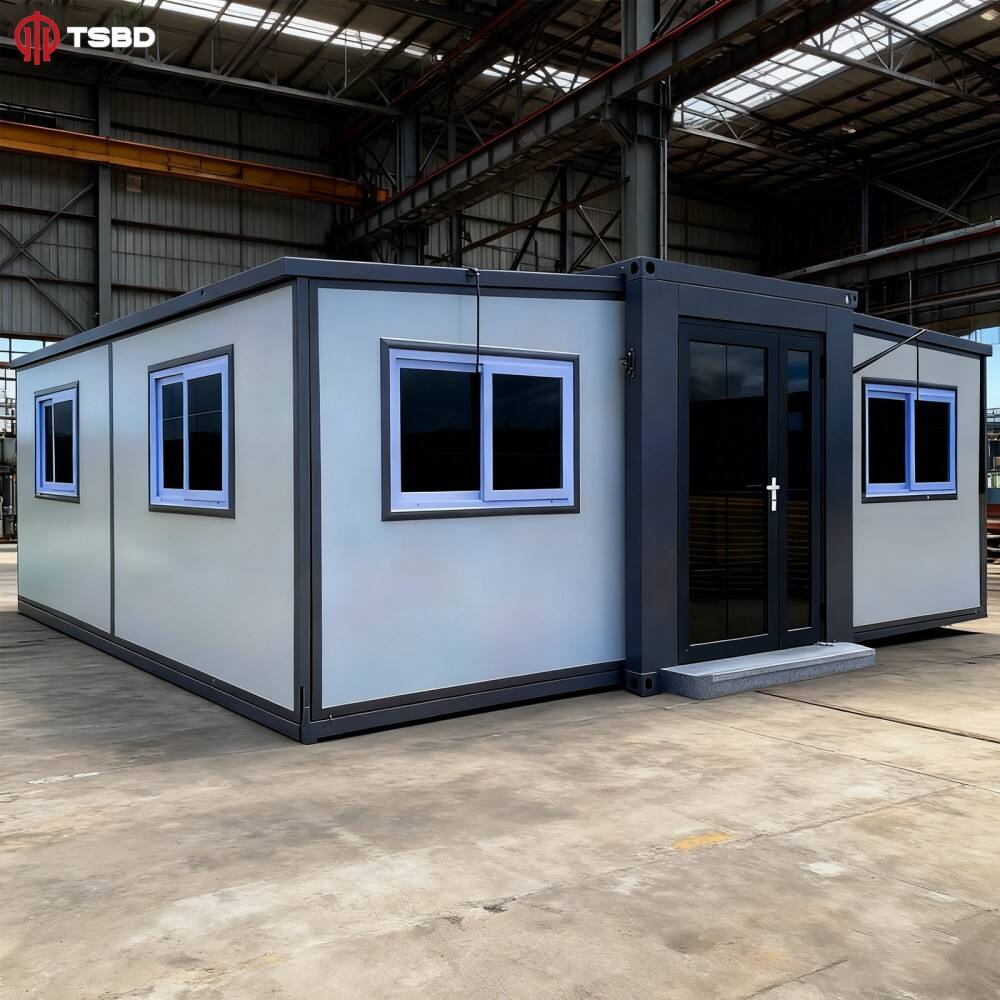
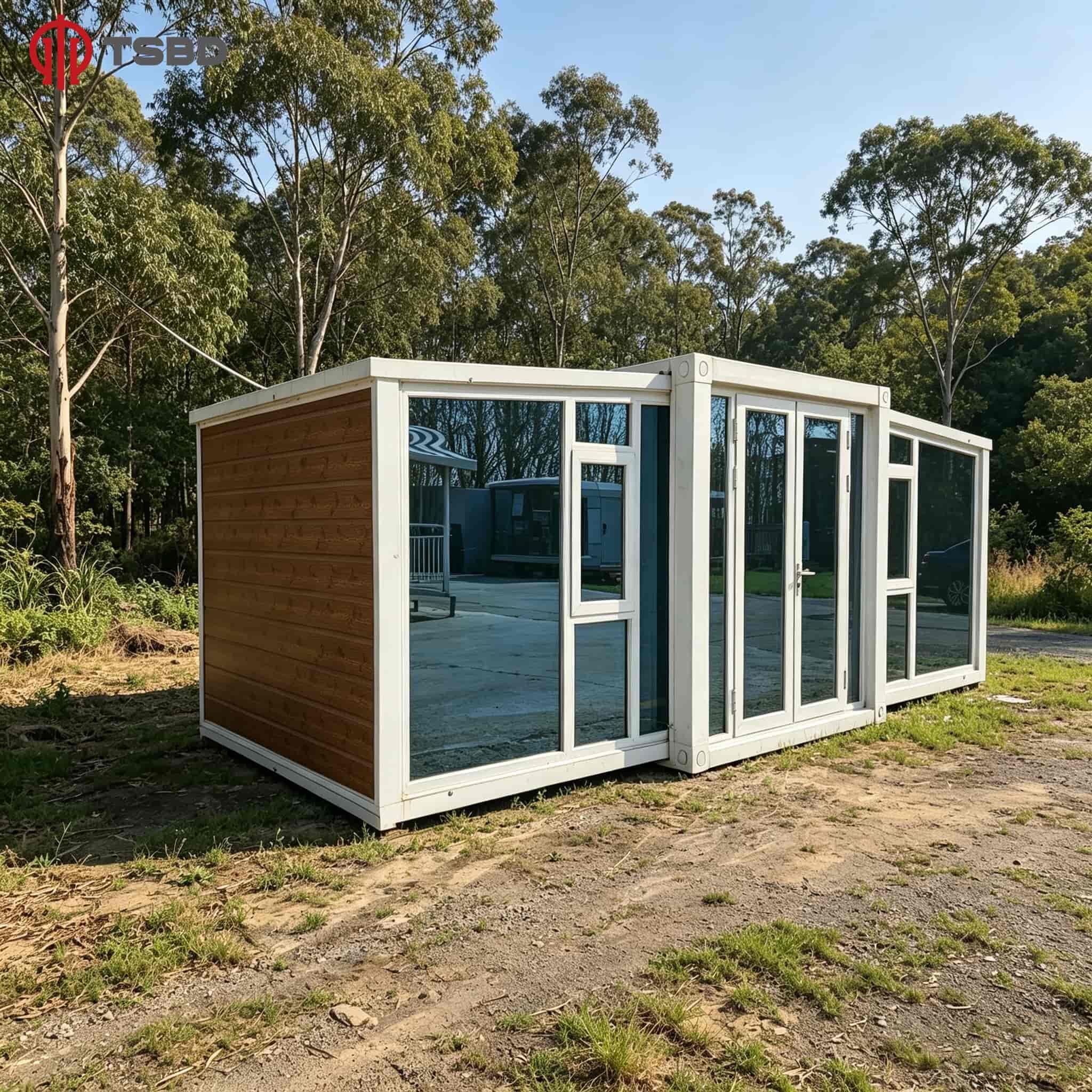
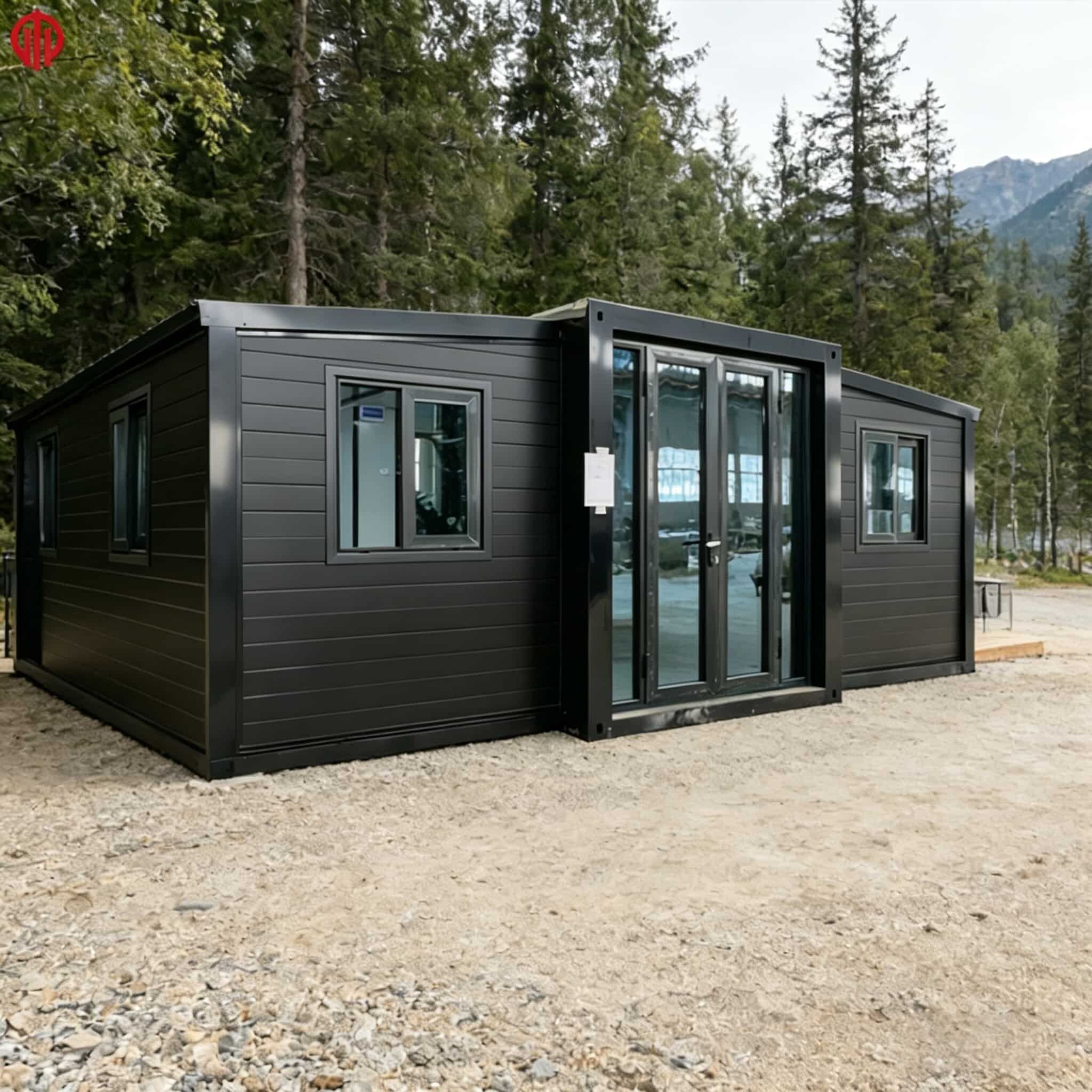
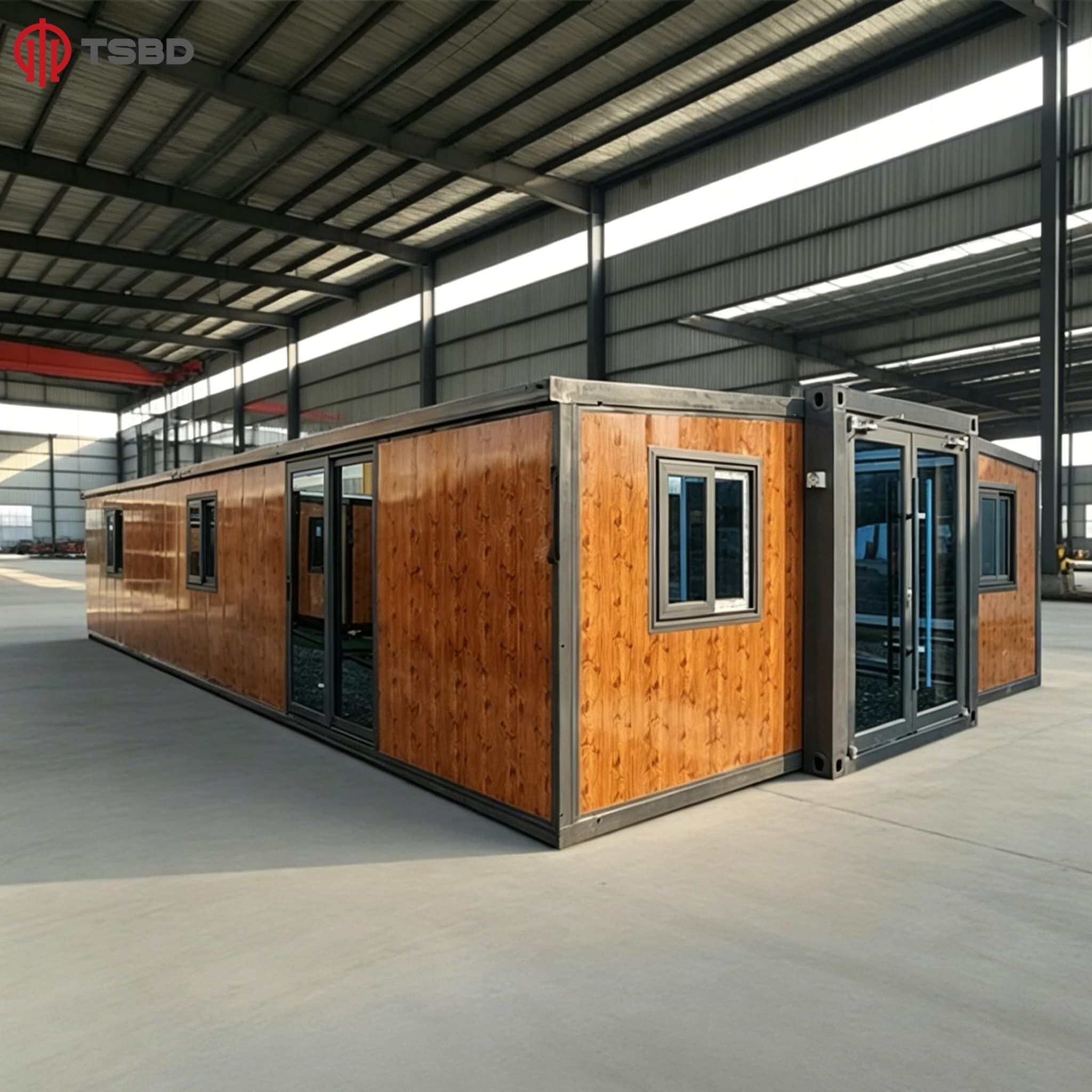
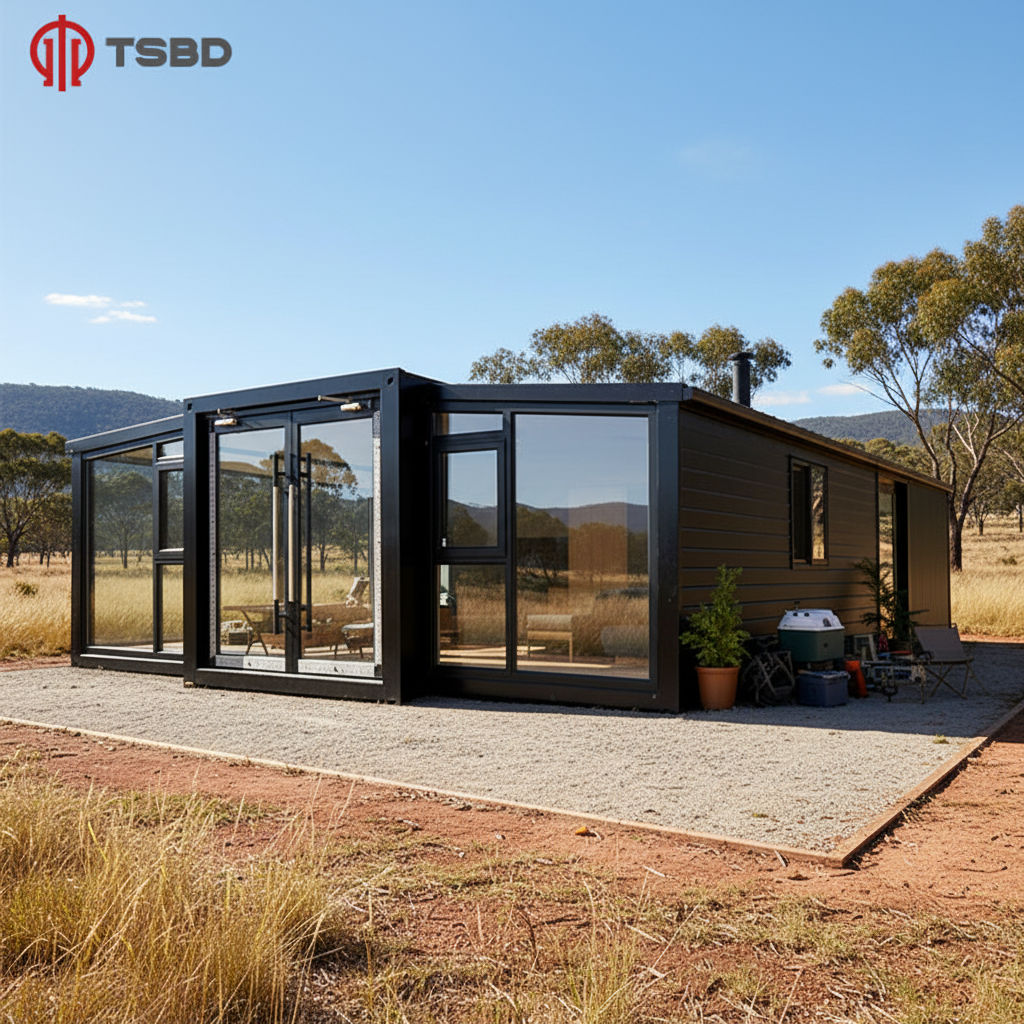
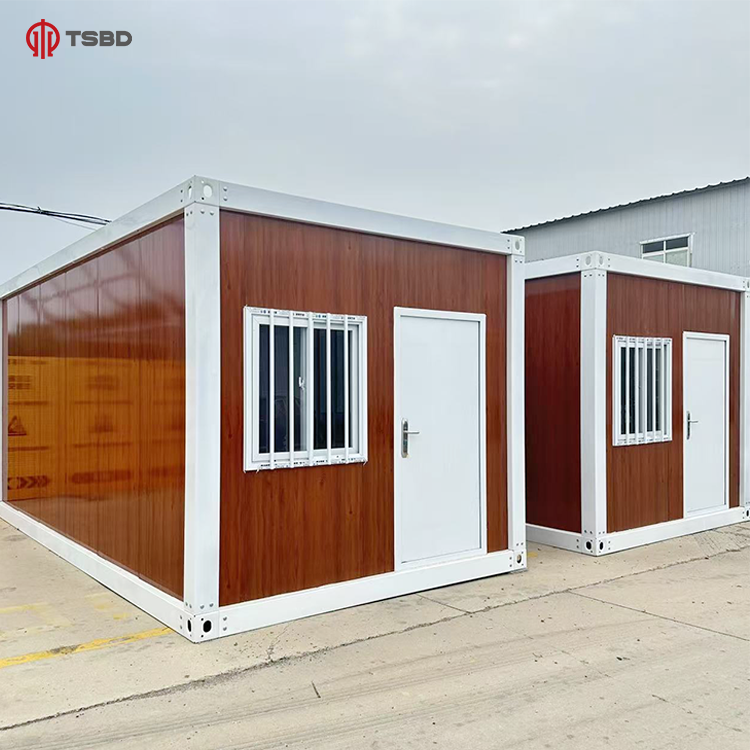
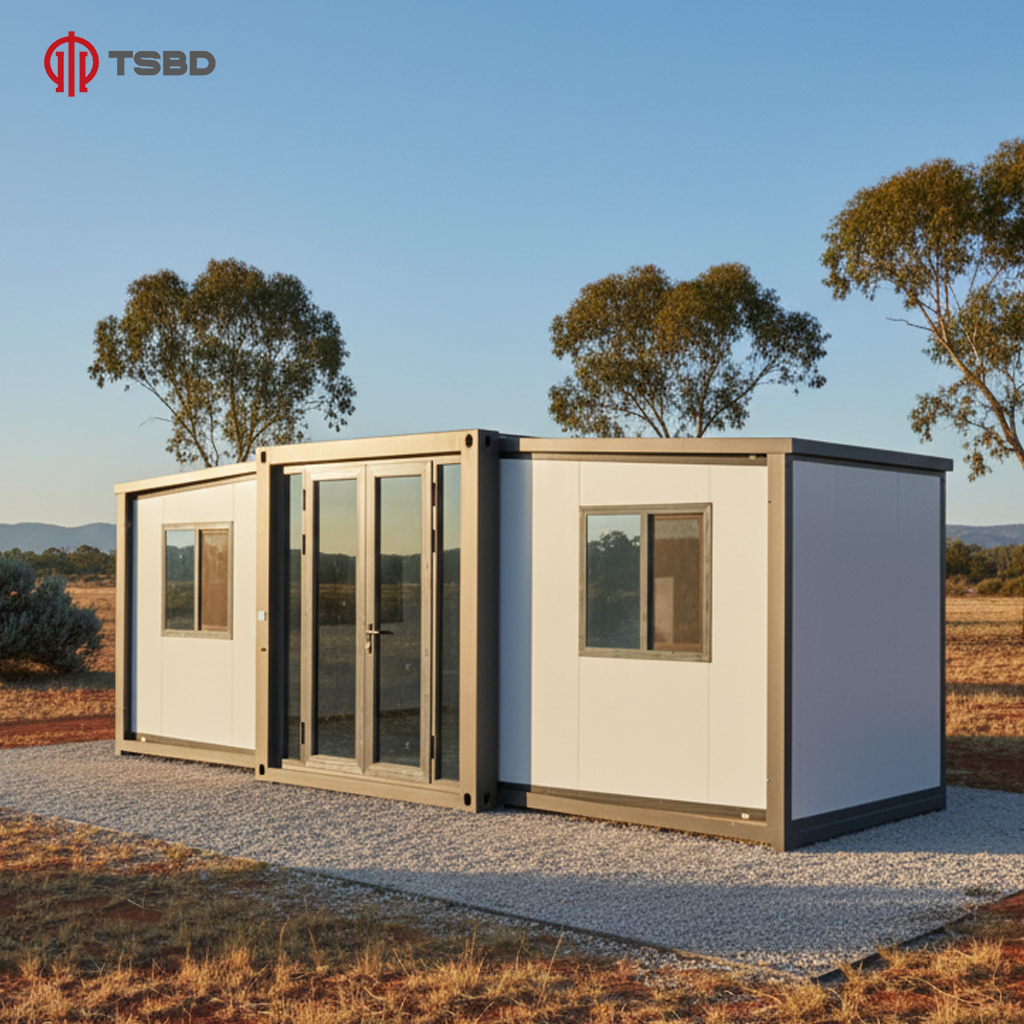
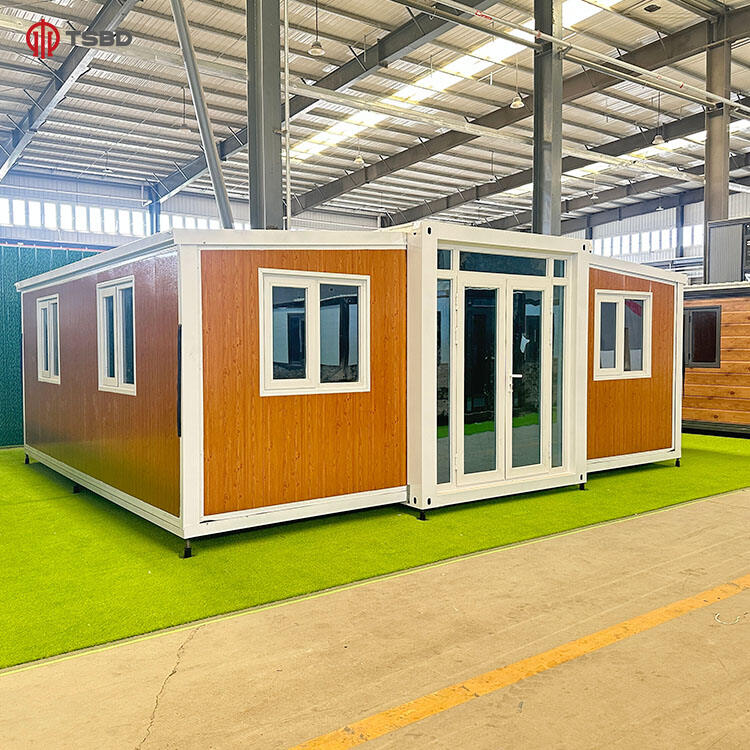
The foldable house for office use embodies environmentally conscious design principles that align business operations with ecological responsibility, addressing growing concerns about construction industry environmental impacts. Traditional building methods consume vast resources, generate substantial waste, and create lasting environmental footprints that contradict sustainability goals. The foldable house for office use offers a fundamentally different approach, minimizing ecological disruption while delivering full workspace functionality. Manufacturing efficiency forms the foundation of these environmental advantages. Factory-based construction allows precise material calculation, reducing waste generation compared to on-site building where overordering and cutting waste contribute significantly to landfill volumes. Controlled production environments optimize resource utilization, with offcuts and surplus materials recycled within manufacturing facilities rather than discarded at construction sites. The standardized components of the foldable house for office use enable economies of scale in material sourcing, supporting supply chains that prioritize sustainable forestry, recycled steel, and low-impact manufacturing processes. Transportation efficiency further enhances the environmental profile. The compact folded configuration allows efficient shipping, with multiple units fitting into single transport loads that would be required for delivering equivalent traditional building materials. Reduced transportation frequency means lower fuel consumption and decreased emissions associated with logistics. Site impact minimization represents another crucial ecological advantage of the foldable house for office use. Traditional construction disturbs soil, removes vegetation, requires extensive excavation, and permanently alters landscapes. Foldable units need minimal site preparation, preserving existing ground conditions and reducing erosion risks. The lightweight foundation requirements avoid deep excavation and extensive concrete pouring, preserving soil structure and underground water flows. When relocated, the foldable house for office use leaves minimal trace, allowing sites to recover naturally rather than bearing permanent construction scars. Energy efficiency during operation distinguishes the foldable house for office use as an environmentally responsible workspace choice. Advanced insulation materials maintain stable interior temperatures, reducing heating and cooling energy demands throughout seasonal variations. Tight construction tolerances eliminate air leakage that plagues hastily constructed traditional buildings, further improving thermal performance. Many units accommodate solar panel installations, enabling renewable energy generation that reduces grid dependence and lowers operational carbon footprints. LED lighting systems and energy-efficient climate control options integrate seamlessly, creating workspaces that minimize ongoing environmental impact while maintaining occupant comfort. Material lifecycle considerations extend the environmental benefits across decades. The durability of components means the foldable house for office use serves effectively for extended periods, avoiding the resource consumption associated with frequent replacement or renovation. When units eventually reach end-of-life, the modular construction facilitates material separation and recycling, with steel frames, insulation materials, and panel components entering appropriate recycling streams rather than becoming demolition waste. This circular approach contrasts sharply with traditional buildings that often proceed directly to landfills when demolished. The reusability factor amplifies environmental advantages significantly. A single foldable house for office use serves multiple purposes across various locations throughout its lifespan, effectively replacing several conventional structures that would otherwise require independent construction. This multiplication effect reduces cumulative environmental impact dramatically compared to traditional building approaches. Organizations committed to environmental responsibility find the foldable house for office use aligns perfectly with sustainability initiatives, corporate social responsibility programs, and green building certifications. The reduced carbon footprint, minimal site disruption, energy efficiency, and lifecycle sustainability combine to create workspace solutions that serve business needs without compromising ecological values.