Foldable House for Disaster Relief - Rapid Deployment Emergency Shelter Solutions

foldable house for disaster relief

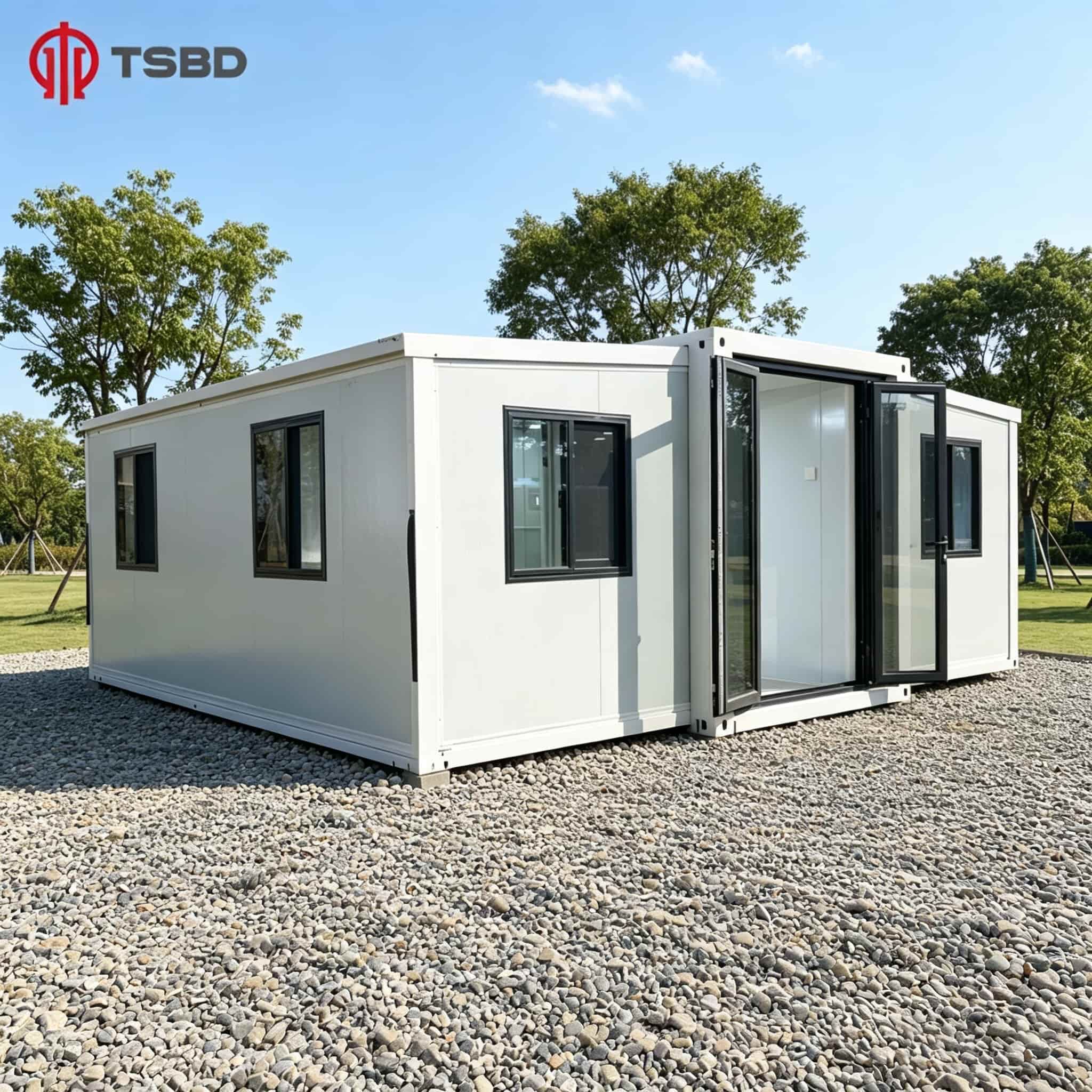
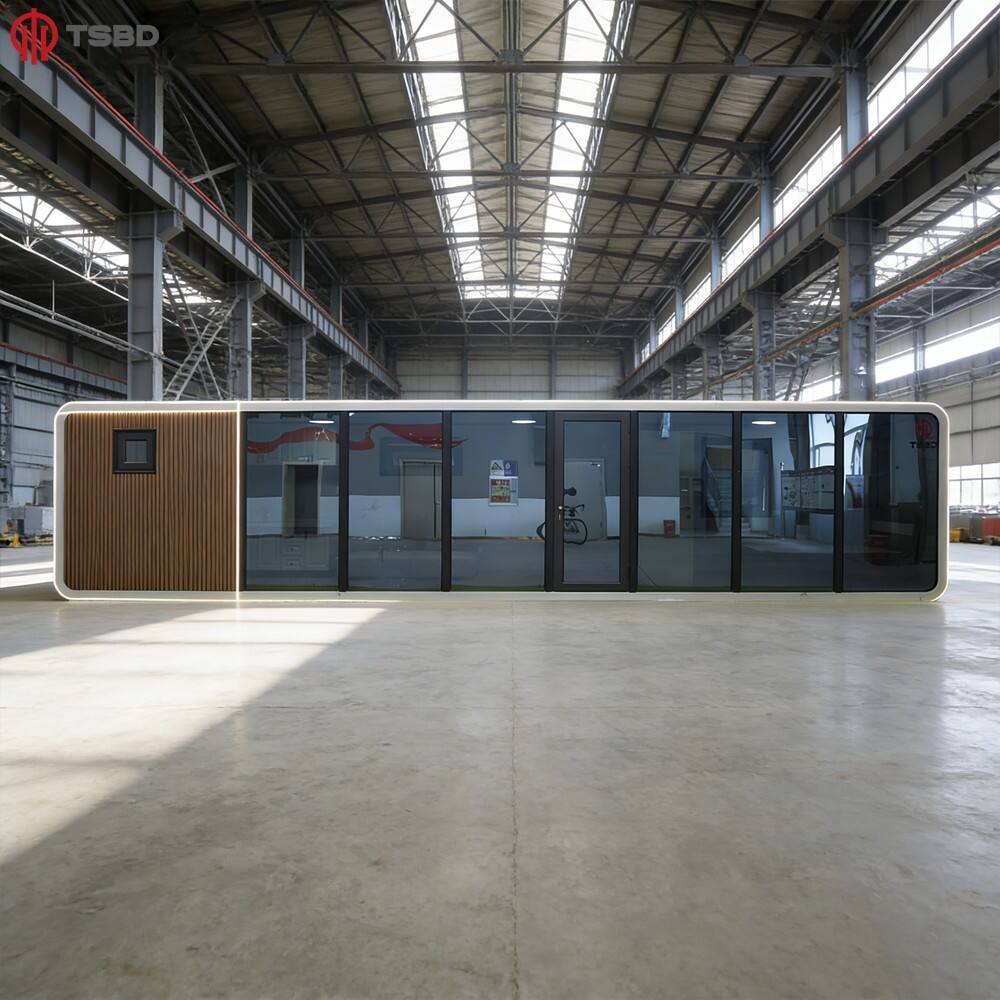
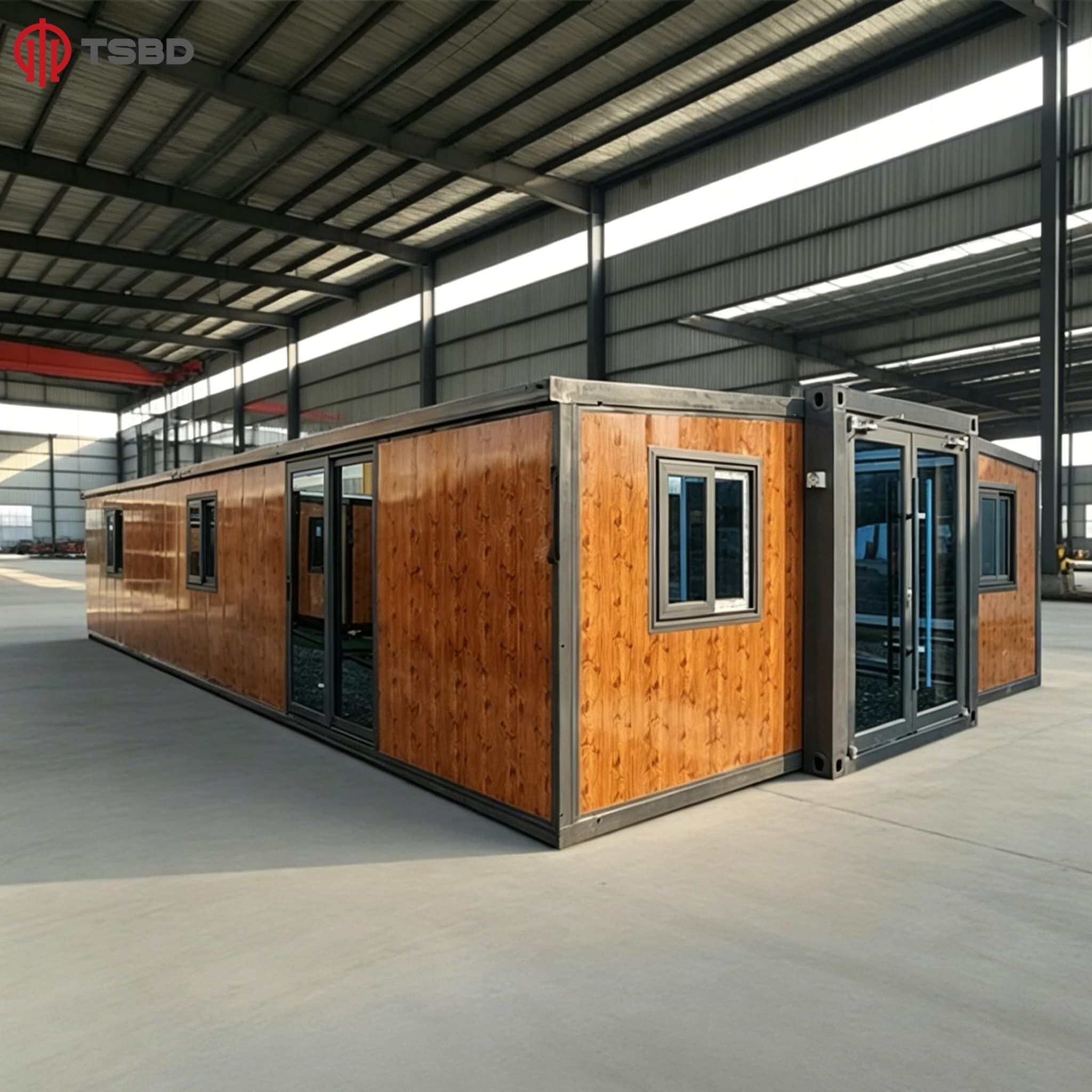
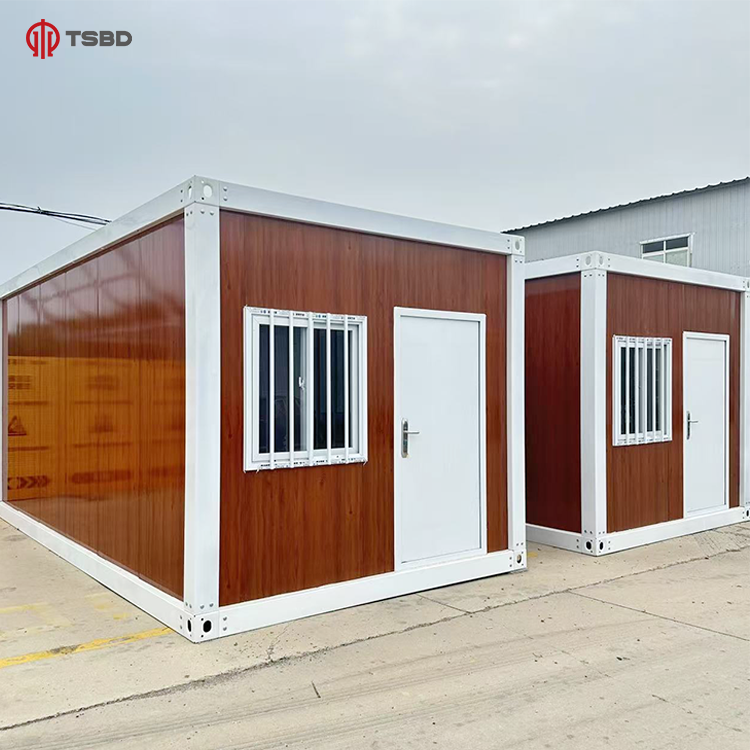
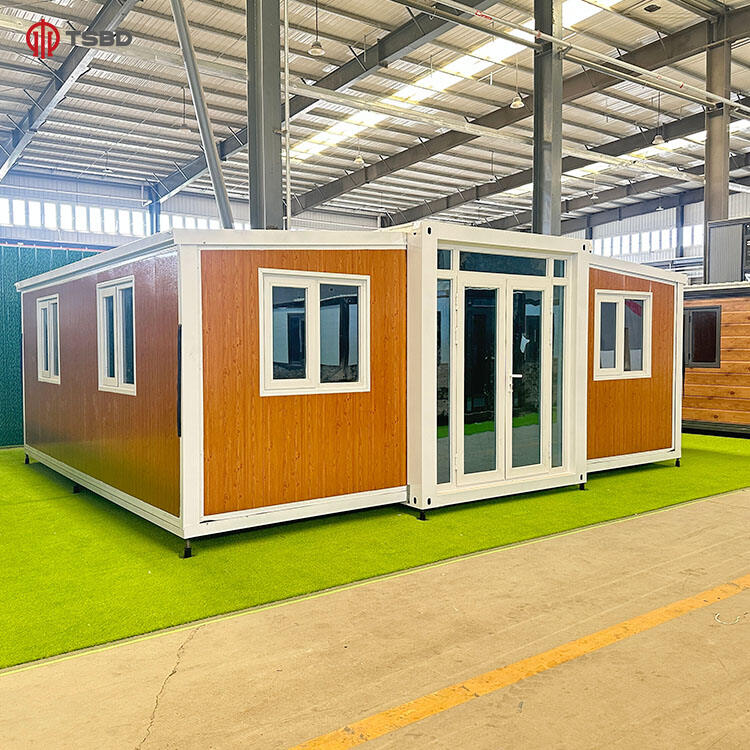
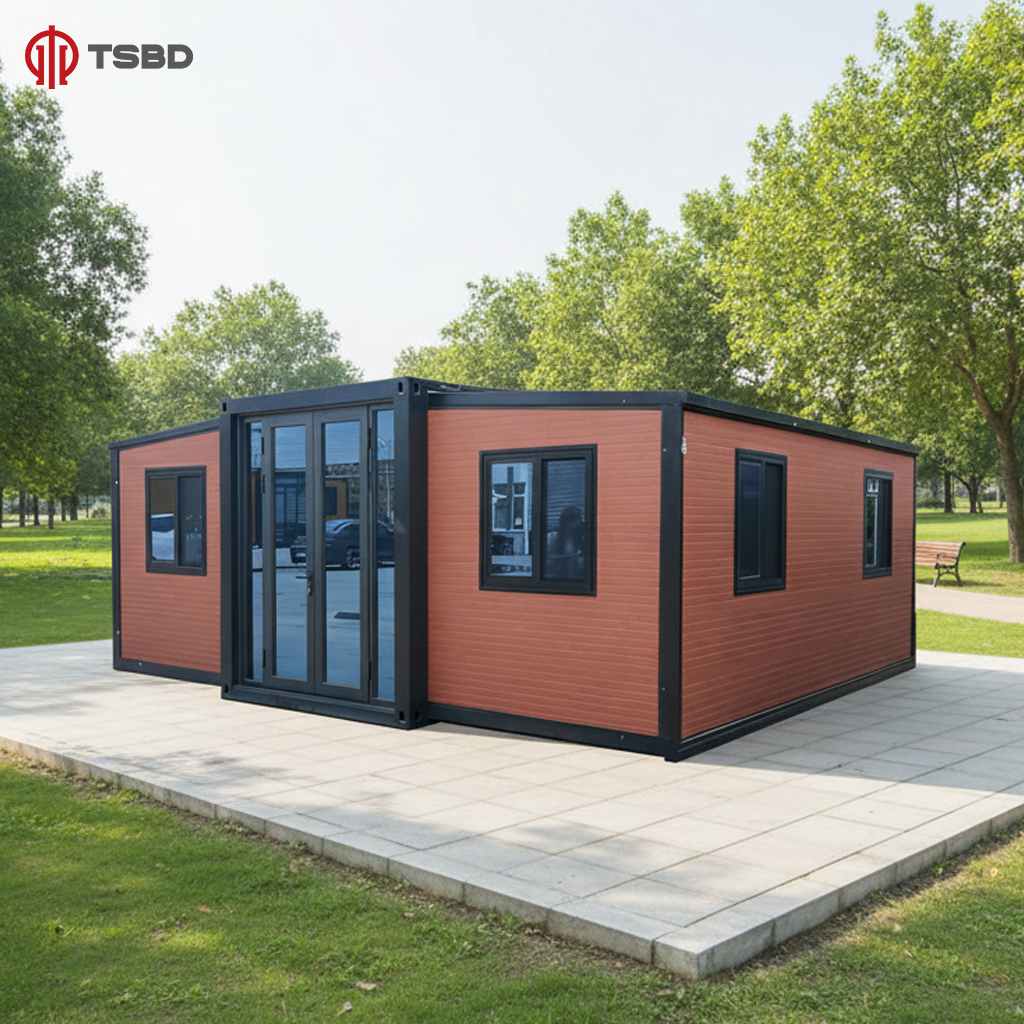
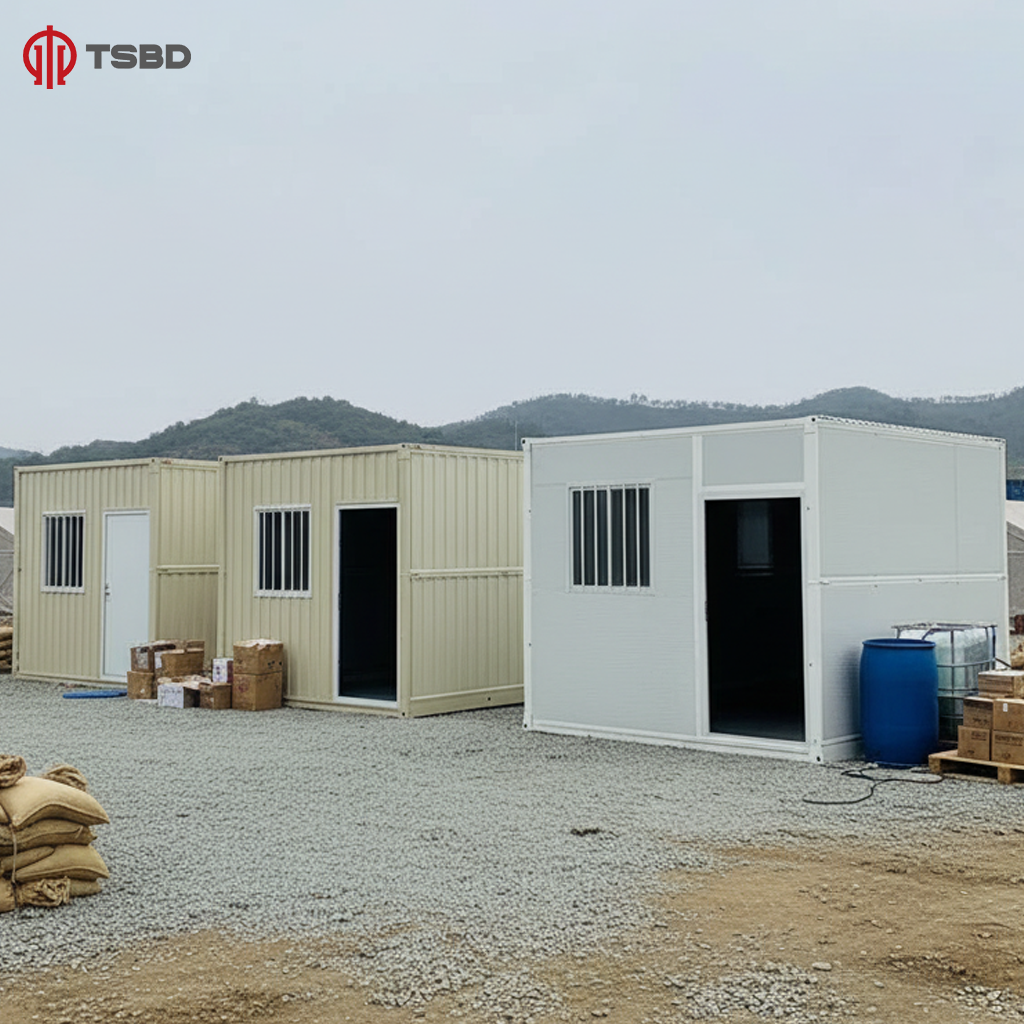
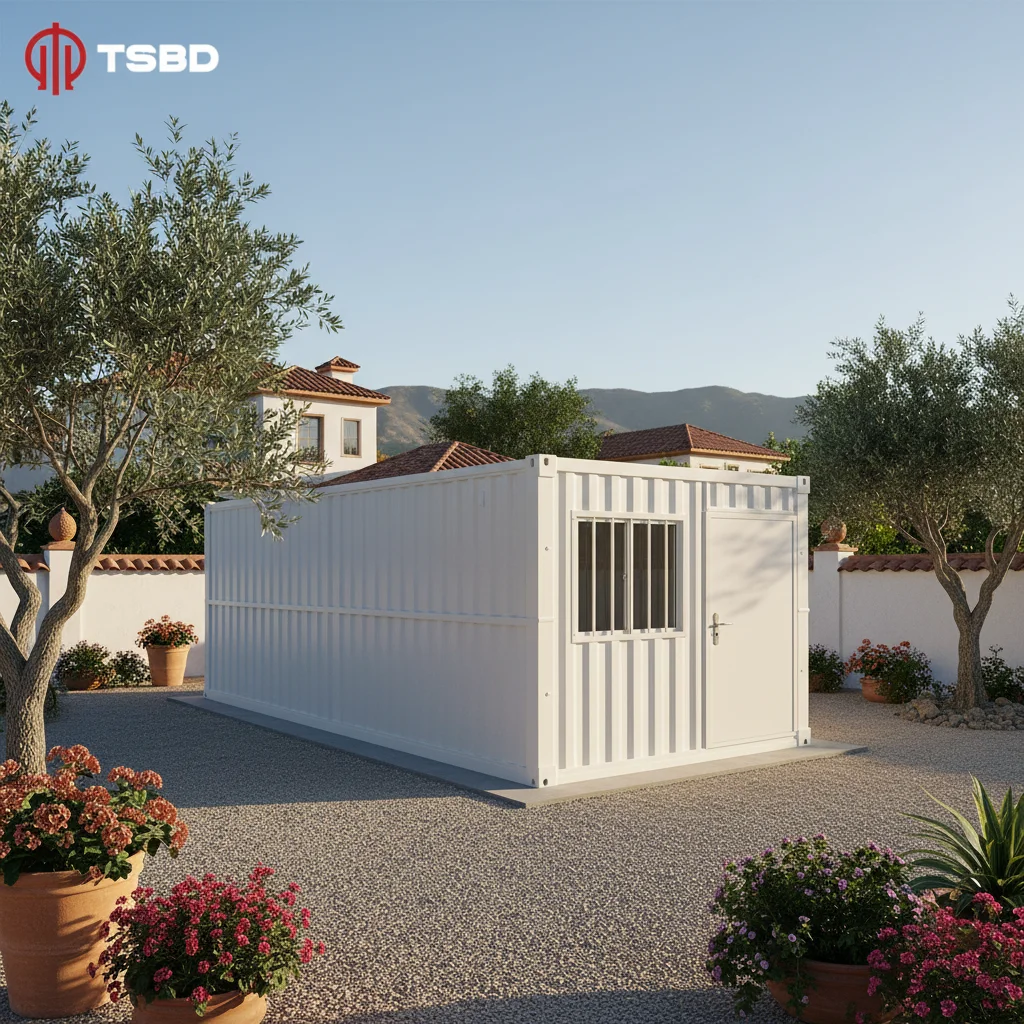
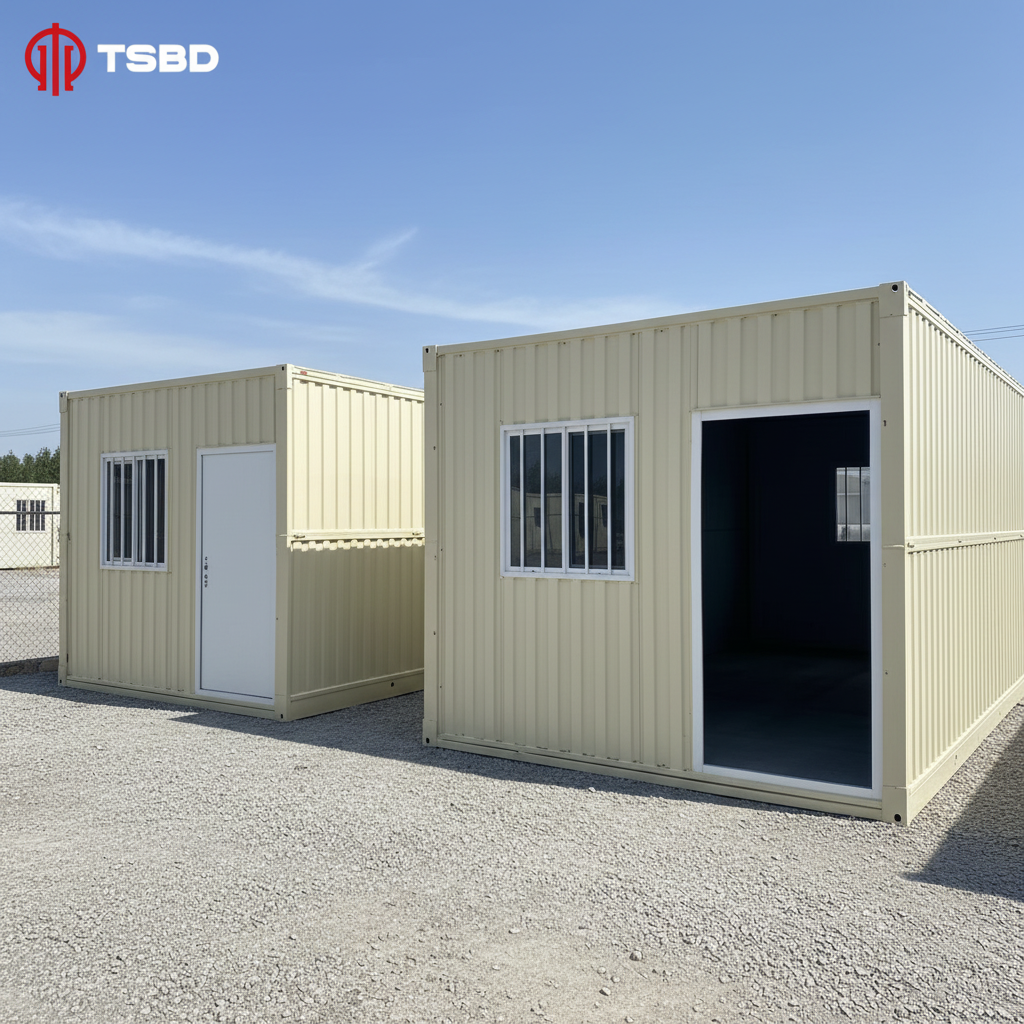
The foldable house for disaster relief represents a revolutionary solution in emergency shelter technology, designed to provide immediate and reliable housing for populations affected by natural disasters, conflicts, or humanitarian crises. This innovative structure combines advanced engineering with practical functionality to deliver a rapid-deployment shelter system that can be assembled within hours rather than days or weeks. The foldable house for disaster relief utilizes lightweight yet durable materials, including galvanized steel frames and weather-resistant composite panels, ensuring structural integrity while maintaining portability. Each unit features a modular design that allows for quick expansion or contraction based on specific needs, accommodating families of various sizes. The main functions of the foldable house for disaster relief include providing immediate protection from environmental elements, offering privacy and security for displaced individuals, and creating a stable living environment during recovery periods. Technological features incorporate insulated wall panels that regulate internal temperatures across different climate conditions, waterproof roofing systems that withstand heavy rainfall, and reinforced foundations that provide stability on uneven terrain. The structure includes built-in electrical conduits for power connections, ventilation systems for air circulation, and pre-installed door and window frames for enhanced functionality. Applications extend beyond immediate disaster response to include temporary housing for construction workers, remote medical facilities, emergency command centers, quarantine facilities, and transitional shelters for refugees. The foldable house for disaster relief can be transported via standard shipping containers, making logistics simple and cost-effective. Organizations such as relief agencies, government disaster management departments, non-profit humanitarian groups, and military operations find this solution invaluable. The design prioritizes ease of assembly, requiring minimal tools and unskilled labor, making it accessible in resource-limited environments. With its combination of durability, portability, and functionality, the foldable house for disaster relief has become an essential component in modern emergency response strategies worldwide, helping thousands of families regain dignity and shelter when they need it most.

New Product Releases

The foldable house for disaster relief offers numerous practical benefits that make it an ideal choice for emergency response situations. First and foremost, deployment speed gives relief organizations a critical advantage during the golden hours following a disaster. Traditional construction methods require weeks or months, but the foldable house for disaster relief can be fully assembled and ready for occupation within four to six hours by a small team. This rapid setup means families receive shelter protection quickly, reducing exposure to dangerous weather conditions and health risks. Transportation efficiency represents another major benefit, as multiple units fold compactly into standard shipping containers, allowing relief organizations to deliver more shelters per shipment. This compact design reduces shipping costs by up to sixty percent compared to conventional prefabricated structures, enabling organizations to allocate more resources toward other critical needs. The durability factor ensures long-term value, with materials engineered to withstand harsh environmental conditions including strong winds, heavy snow loads, intense heat, and persistent moisture. The foldable house for disaster relief maintains structural integrity for five to ten years, providing extended protection beyond immediate emergency phases. Cost effectiveness makes this solution accessible for organizations with limited budgets, as each unit costs significantly less than traditional temporary housing while offering superior quality and longevity. Maintenance requirements remain minimal, with simple cleaning and occasional inspections sufficient to keep structures in optimal condition. The design flexibility accommodates various needs, allowing units to be configured as single-family homes, multi-family complexes, medical clinics, schools, or community centers through modular connections. Climate adaptability ensures the foldable house for disaster relief performs effectively in diverse geographical locations, from tropical regions to arctic environments, thanks to adjustable insulation options and ventilation systems. Environmental sustainability features include recyclable materials and reusable components, reducing waste generation compared to disposable emergency shelters. Health and safety considerations incorporate fire-resistant materials, non-toxic finishes, and proper ventilation to prevent mold growth and airborne contaminants. Privacy provisions include solid walls and lockable doors, offering dignity and security often lacking in tent-based solutions. The psychological impact of providing proper housing rather than temporary tents cannot be overstated, as the foldable house for disaster relief helps restore normalcy and hope for displaced populations. Organizations benefit from simplified inventory management since standardized components and straightforward assembly procedures reduce training requirements and operational complexity. The proven track record across numerous disaster responses worldwide demonstrates reliability and effectiveness, giving decision-makers confidence in their investment when selecting the foldable house for disaster relief for their emergency preparedness programs.

Tips And Tricks

What factors influence the cost of a mobile home for large-scale projects?

14

May

What factors influence the cost of a mobile home for large-scale projects?

When planning large-scale construction projects that require temporary or semi-permanent housing solutions, understanding the cost structure of a mobile home becomes essential for accurate budgeting and project feasibility analysis. The investment in...
View More
What factors influence the cost and value of a tiny home today?

14

May

What factors influence the cost and value of a tiny home today?

Understanding what drives the cost and value of a tiny home has become essential for buyers, investors, and housing enthusiasts navigating today's evolving residential landscape. The tiny home movement continues to gain momentum as more people seek a...
View More
How portable house solutions support flexible living and working environments?

14

May

How portable house solutions support flexible living and working environments?

The modern world demands adaptability in how we live and work, and portable house solutions have emerged as a transformative response to this need. As remote work becomes standard practice, professionals seek environments that combine comfort with mo...
View More
What key factors affect portable house durability and performance?

14

May

What key factors affect portable house durability and performance?

Understanding the key factors that affect portable house durability and performance is essential for anyone considering modular or relocatable construction solutions. Whether for residential use, commercial applications, temporary site offices, or di...
View More

Get a Free Quote

Our representative will contact you soon.
Email
Name
Company Name
Message
0/1000

foldable house for disaster relief

Ultra-Rapid Deployment System Saves Critical Time

Ultra-Rapid Deployment System Saves Critical Time

The ultra-rapid deployment system integrated into the foldable house for disaster relief revolutionizes emergency response timelines by dramatically reducing the period between disaster occurrence and shelter availability. This technological innovation addresses one of the most pressing challenges in humanitarian assistance: providing immediate protection when victims are most vulnerable. Traditional shelter solutions require extensive preparation, including site clearing, foundation laying, material gathering, and skilled construction teams working over extended periods. The foldable house for disaster relief eliminates these bottlenecks through its intelligent pre-fabricated design that arrives at disaster sites completely ready for assembly. Each component is precisely manufactured and labeled, with foolproof connection systems that prevent assembly errors even when workers face stressful conditions or language barriers. The folding mechanism represents years of engineering refinement, utilizing aviation-grade hinges and locking mechanisms that ensure both ease of deployment and structural stability once erected. A standard unit measuring thirty square meters can transform from a compact folded state measuring just two meters in height to a fully functional dwelling in under four hours with only four workers and basic hand tools. This speed advantage becomes life-saving during extreme weather events when every hour counts toward preventing exposure-related injuries and deaths. The deployment process follows an intuitive sequence: unfolding the base frame, securing corner anchors, raising wall panels, installing roof sections, and completing interior fixtures. No concrete foundations are required thanks to adjustable ground anchors that adapt to various soil conditions, from sandy beaches to rocky hillsides. The foldable house for disaster relief includes comprehensive visual instruction guides with pictorial step-by-step procedures, eliminating dependence on written instructions that may not be understood by all workers. Quality control mechanisms are built into the design, with components only fitting together correctly when properly aligned, preventing dangerous misassembly. This rapid deployment capability has proven invaluable during recent earthquake responses, where hundreds of units were erected within days of disaster strikes, providing immediate shelter while more permanent reconstruction plans were developed. The system's efficiency extends beyond initial setup, as disassembly for relocation or storage follows the same straightforward process in reverse, typically requiring even less time. Organizations can maintain ready-to-deploy stockpiles of the foldable house for disaster relief, knowing that when emergencies strike, their response will be swift and effective, meeting the urgent needs of affected populations without delay.
Superior Durability Ensures Long-Term Protection

Superior Durability Ensures Long-Term Protection

Superior durability stands as a defining characteristic of the foldable house for disaster relief, engineered to withstand the harshest environmental conditions while providing reliable protection for extended periods. This robustness addresses a critical gap in emergency shelter solutions, where many temporary options deteriorate rapidly under sustained exposure to weather elements, requiring frequent replacement and generating substantial ongoing costs. The foldable house for disaster relief employs advanced material science, incorporating galvanized steel frameworks that resist corrosion even in coastal environments with salt-laden air. The structural frame utilizes high-tensile strength steel with welded joints reinforced at stress points, providing load-bearing capacity that exceeds international building standards for residential structures. Wall panels consist of composite sandwich construction, featuring an insulating core between protective outer layers of color-coated steel or aluminum alloy. This multi-layer configuration delivers exceptional resistance to impact damage while providing thermal insulation values comparable to conventional buildings. The roofing system incorporates waterproof membranes with heat-welded seams that eliminate potential leak points, ensuring complete protection during torrential rains or melting snow conditions. Wind resistance testing demonstrates that the foldable house for disaster relief maintains structural integrity in sustained winds exceeding one hundred kilometers per hour, with appropriate anchoring systems preventing uplift or displacement during severe storms. Seismic performance characteristics make these structures particularly valuable in earthquake-prone regions, as the flexible yet strong framework absorbs ground motion without catastrophic failure, offering occupants protected space during aftershocks. Material selection prioritizes longevity, with all exposed components treated with protective coatings that resist ultraviolet degradation, preventing the brittleness and discoloration common in cheaper alternatives. The foldable house for disaster relief demonstrates remarkable resistance to biological threats, including termites, rodents, and fungal growth, thanks to inorganic material compositions that offer no nutrition for pests or mold. Temperature extremes from minus thirty to plus sixty degrees Celsius do not compromise structural performance, making these shelters suitable for deployment in arctic conditions or desert environments where conventional materials would fail. Maintenance requirements remain minimal throughout the service life, typically limited to periodic cleaning and inspection of connection points, with replacement parts readily available and easily installed. Field reports from disaster zones confirm that units deployed five years previously continue functioning without significant deterioration, providing ongoing value far beyond initial investment costs. This durability transforms the economics of disaster relief, as the foldable house for disaster relief transitions from disposable emergency equipment to reusable assets that serve multiple relief operations across different disasters and locations. Organizations can confidently deploy these structures knowing they represent sustainable investments rather than single-use expenses, fundamentally changing budget planning for humanitarian operations.
Versatile Adaptability Meets Diverse Needs

Versatile Adaptability Meets Diverse Needs

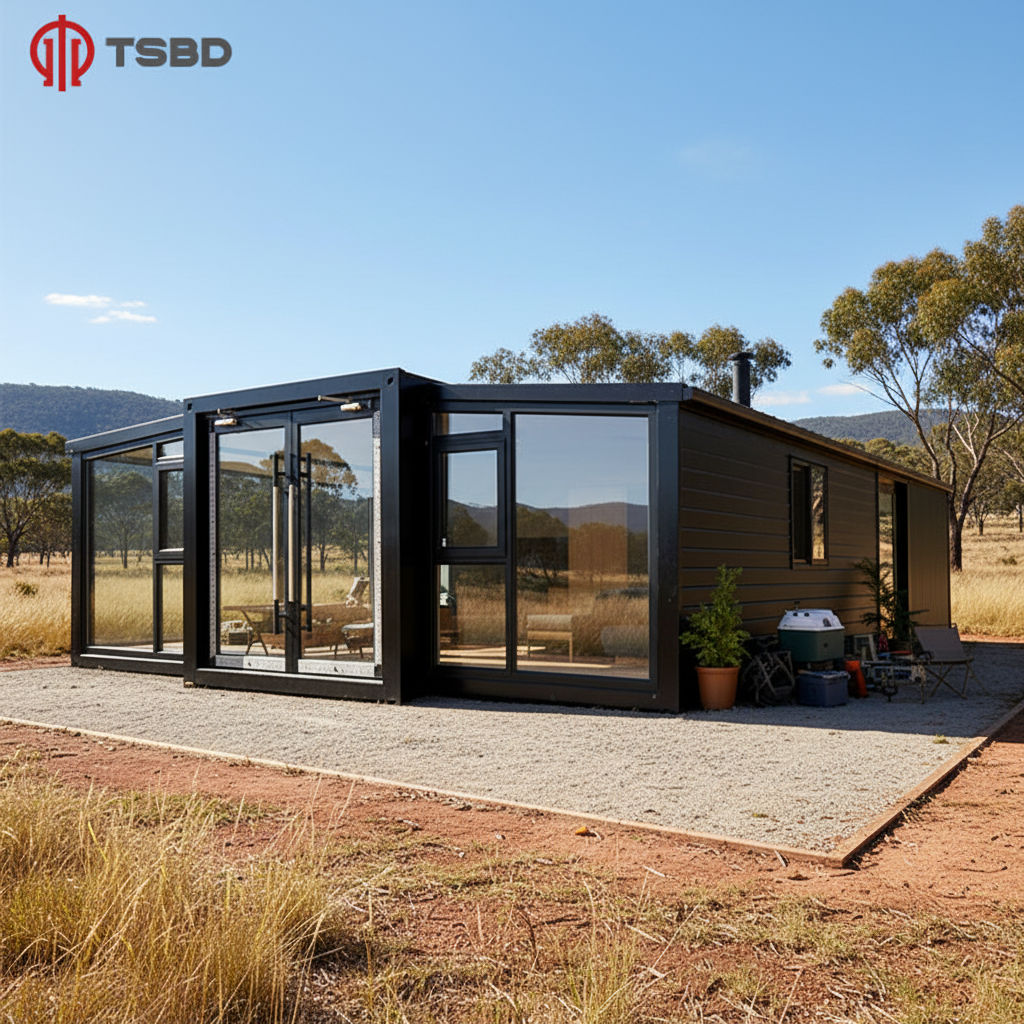
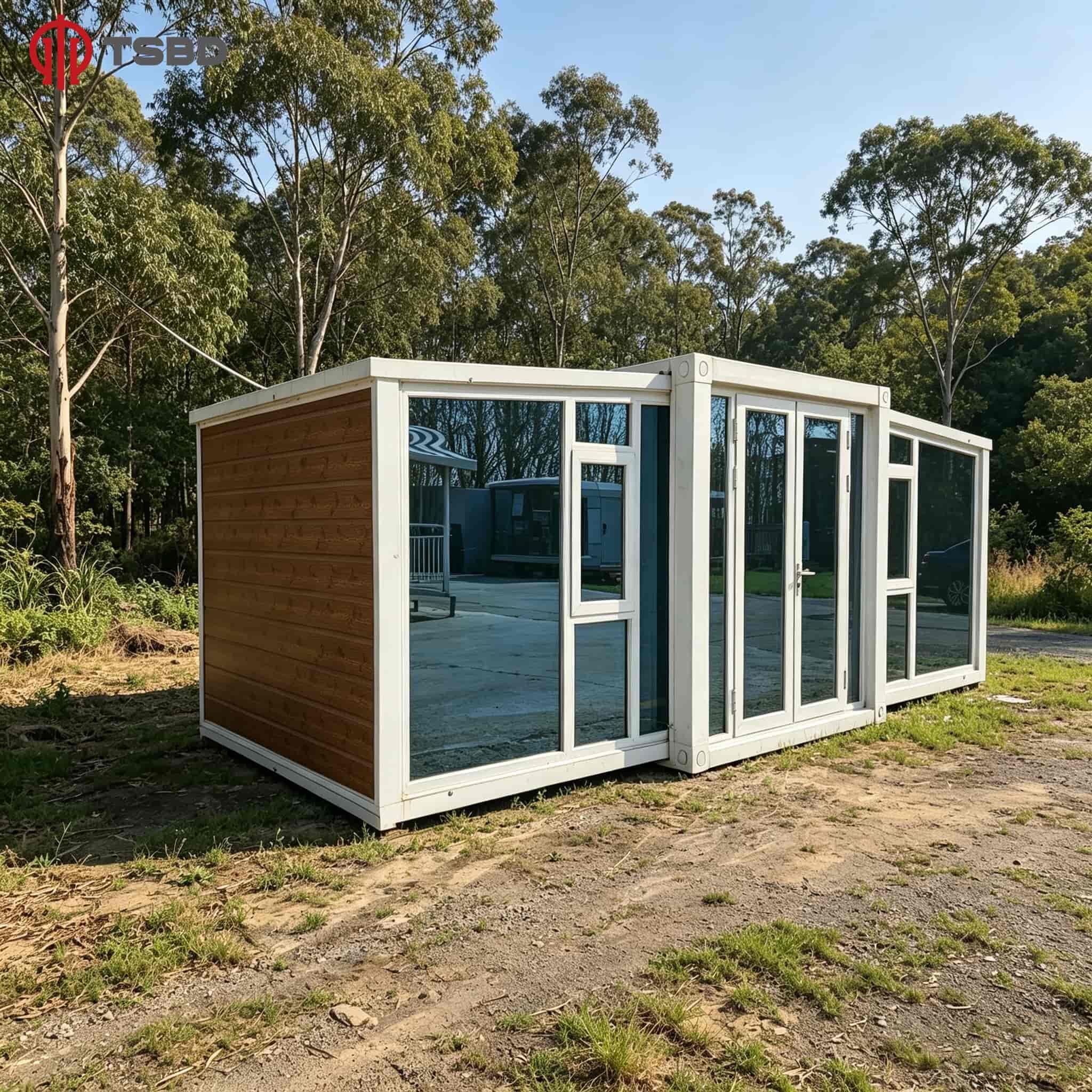
Versatile adaptability represents perhaps the most compelling advantage of the foldable house for disaster relief, offering humanitarian organizations the flexibility to respond effectively to widely varying disaster scenarios and population needs. This adaptability stems from intelligent modular design principles that allow individual units to function independently or connect into larger configurations, creating solutions ranging from single-family dwellings to comprehensive community facilities. The base unit of the foldable house for disaster relief provides approximately thirty square meters of protected living space, suitable for families of four to six people with basic amenities including sleeping areas, storage space, and provisions for cooking facilities. However, the true versatility emerges when multiple units combine through standardized connection systems, enabling creation of multi-room family homes, medical clinics with separate treatment and waiting areas, schools with multiple classrooms, or administrative centers for coordinating relief operations. Connection procedures maintain the same simplicity as initial assembly, using compatible attachment points that align units horizontally or vertically depending on site constraints and functional requirements. The foldable house for disaster relief accommodates various internal configurations through movable partition walls, allowing occupants to customize interior layouts according to cultural preferences, family structures, or functional needs. Climate adaptation features include interchangeable insulation packages, with options for tropical configurations emphasizing ventilation and heat reflection, temperate zone specifications balancing insulation with breathability, and cold climate versions maximizing thermal retention. Window and door placements follow flexible patterns, with multiple mounting points allowing orientation adjustments to optimize natural lighting, ventilation patterns, or privacy considerations based on site-specific conditions. The electrical system within the foldable house for disaster relief uses modular wiring harnesses that accommodate various power sources, from grid connections in developed areas to solar panels in remote locations, ensuring functionality regardless of available infrastructure. Plumbing provisions include pre-installed rough-ins for water supply and drainage connections, easily adapted to centralized utility systems or individual solutions like rainwater collection and composting toilets. Accessibility modifications can be incorporated for elderly or disabled occupants, including ramped entries, wider doorways, and reinforced wall sections for support rail installation. The exterior finish options allow the foldable house for disaster relief to respect local architectural aesthetics, with various cladding choices and color schemes that help integrate temporary settlements into existing communities rather than creating visually jarring contrasts. Cultural sensitivity extends to spatial arrangements, as the modular system supports creation of gender-separated facilities, prayer spaces, communal gathering areas, or other culturally significant spaces that honor the traditions of displaced populations. Expansion capabilities mean initial emergency deployments can gradually transition toward permanent housing solutions through systematic upgrades, including enhanced insulation, upgraded fixtures, and permanent foundation integration, providing continuity for recovering communities. This remarkable versatility makes the foldable house for disaster relief the preferred choice for organizations requiring flexible, reliable shelter solutions that adapt to the unique circumstances of each disaster response operation.

Get a Free Quote

Our representative will contact you soon.
Email
Name
Company Name
Message
0/1000

Copyright © 2026 Tangshan Waiyang Supply Chain Management Co., Ltd. Beijing All rights reserved.  -  Privacy policy