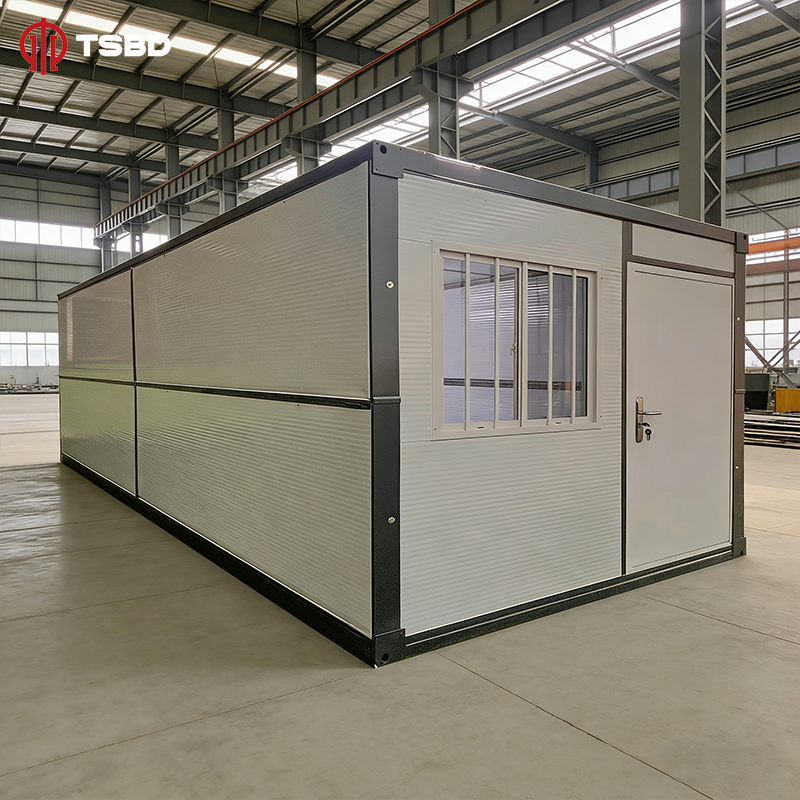
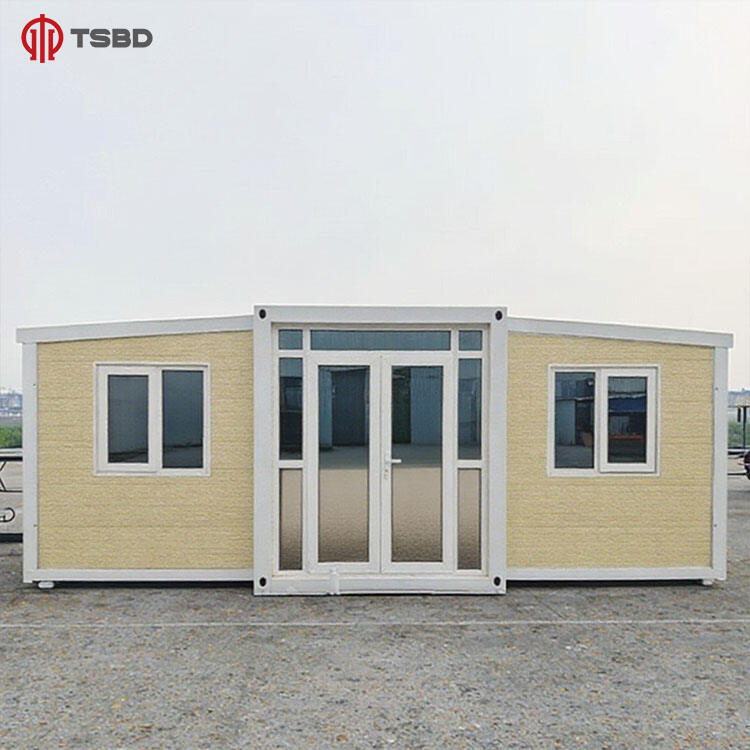
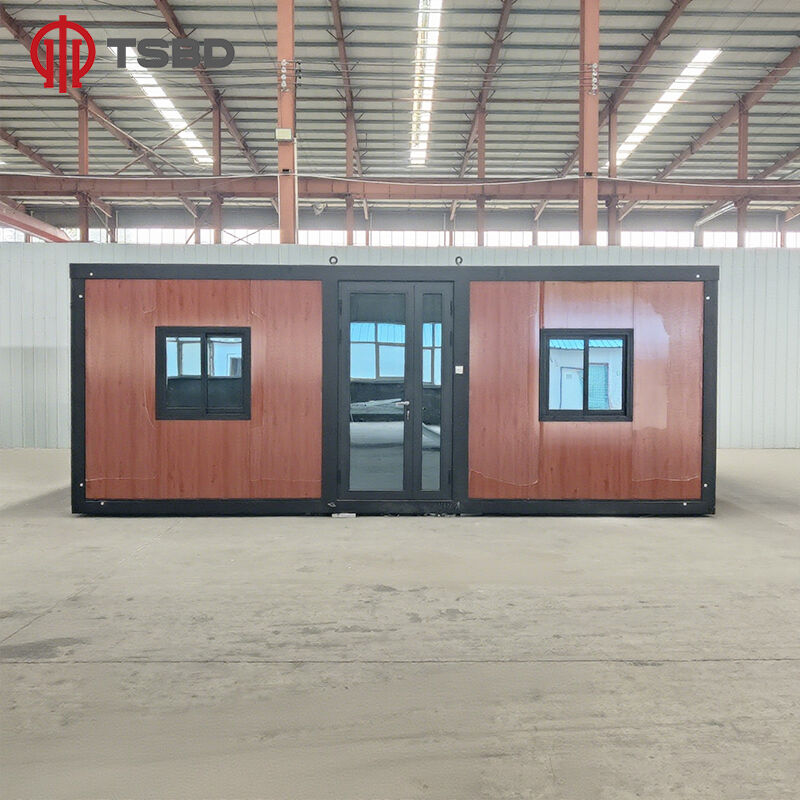
Durable Construction Built for Long-Term Value
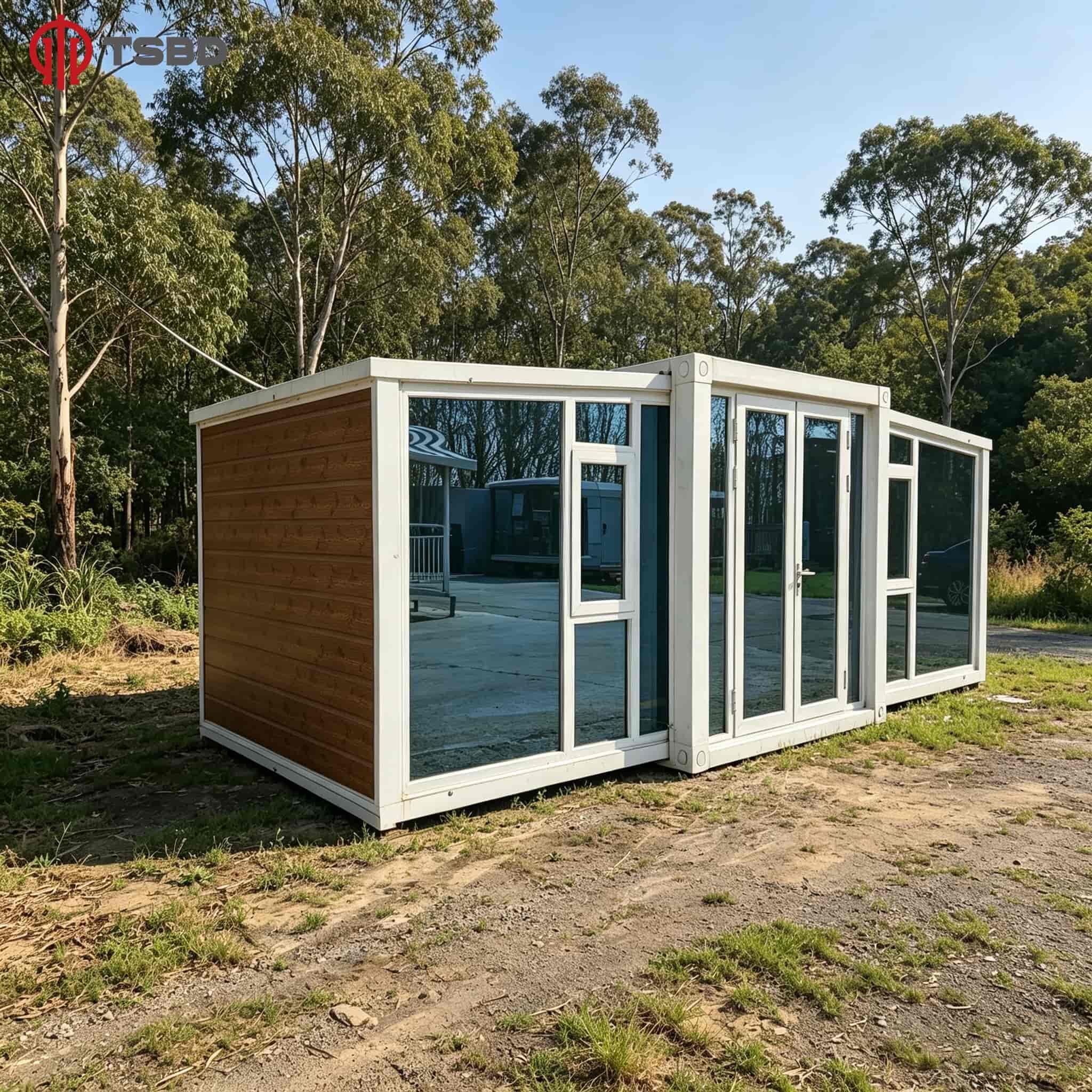
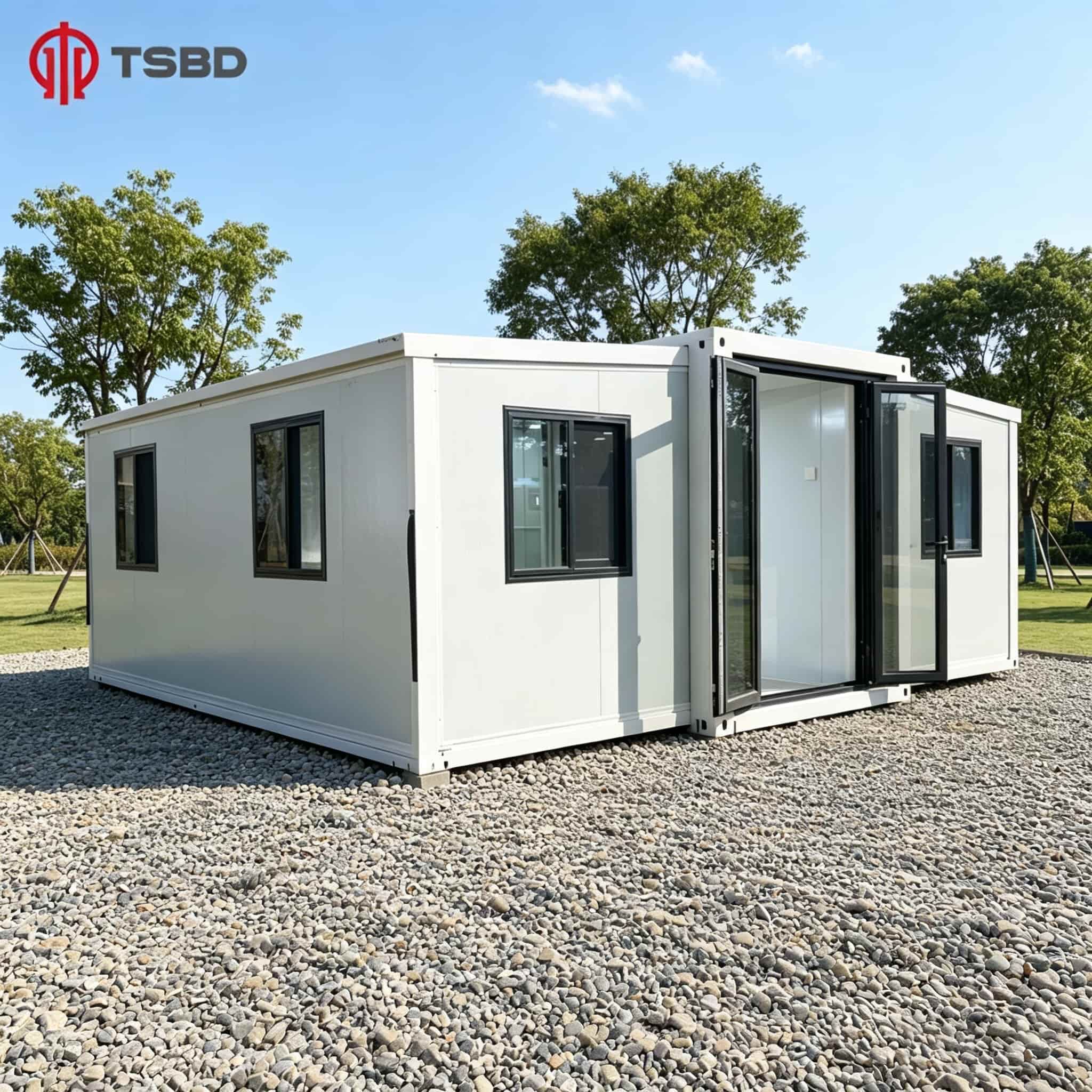
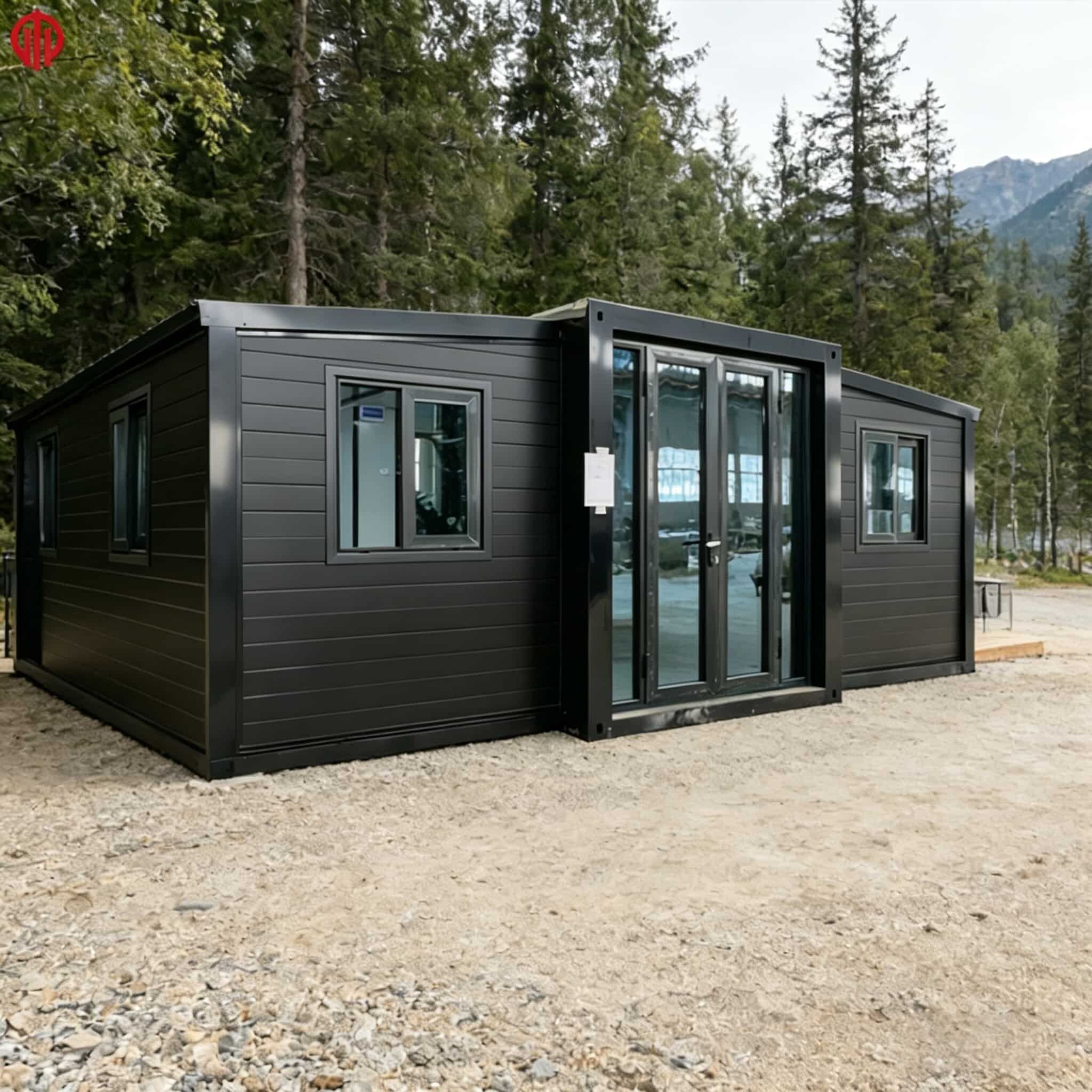
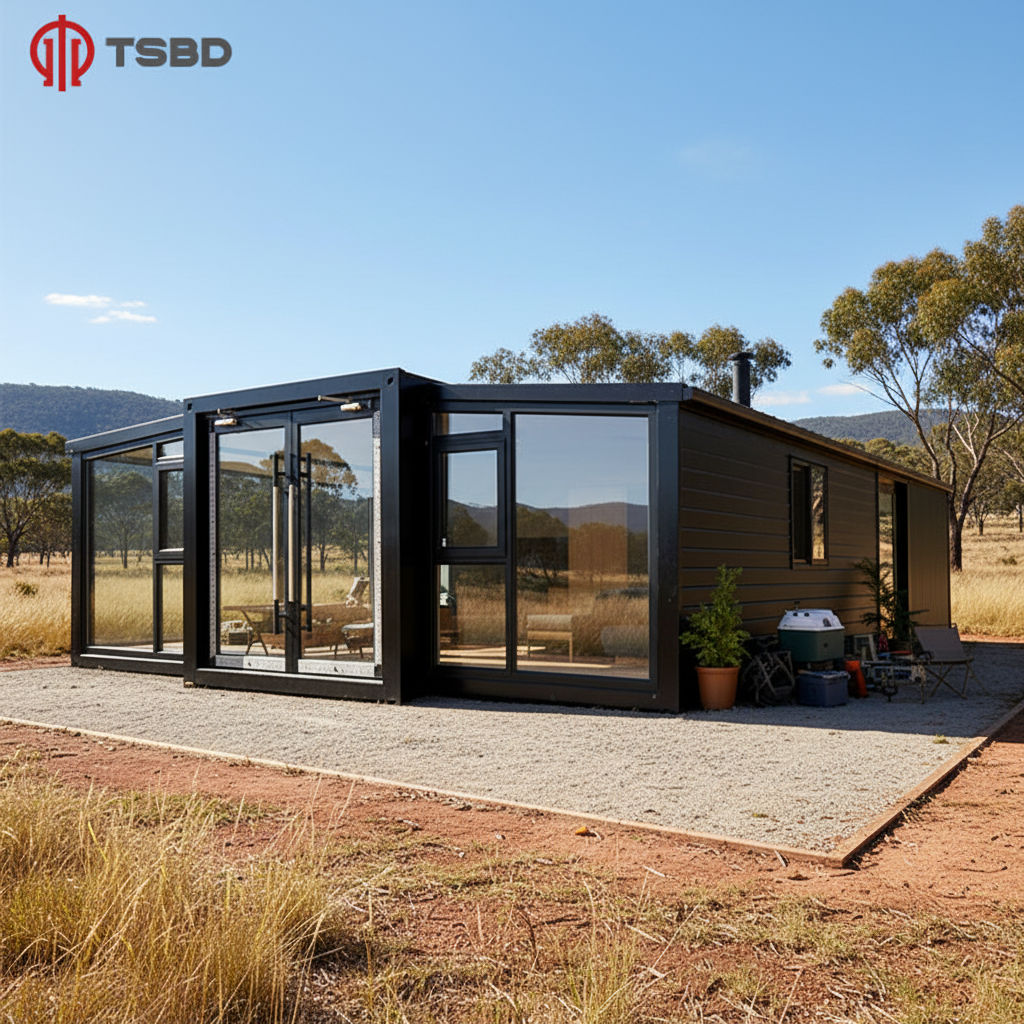
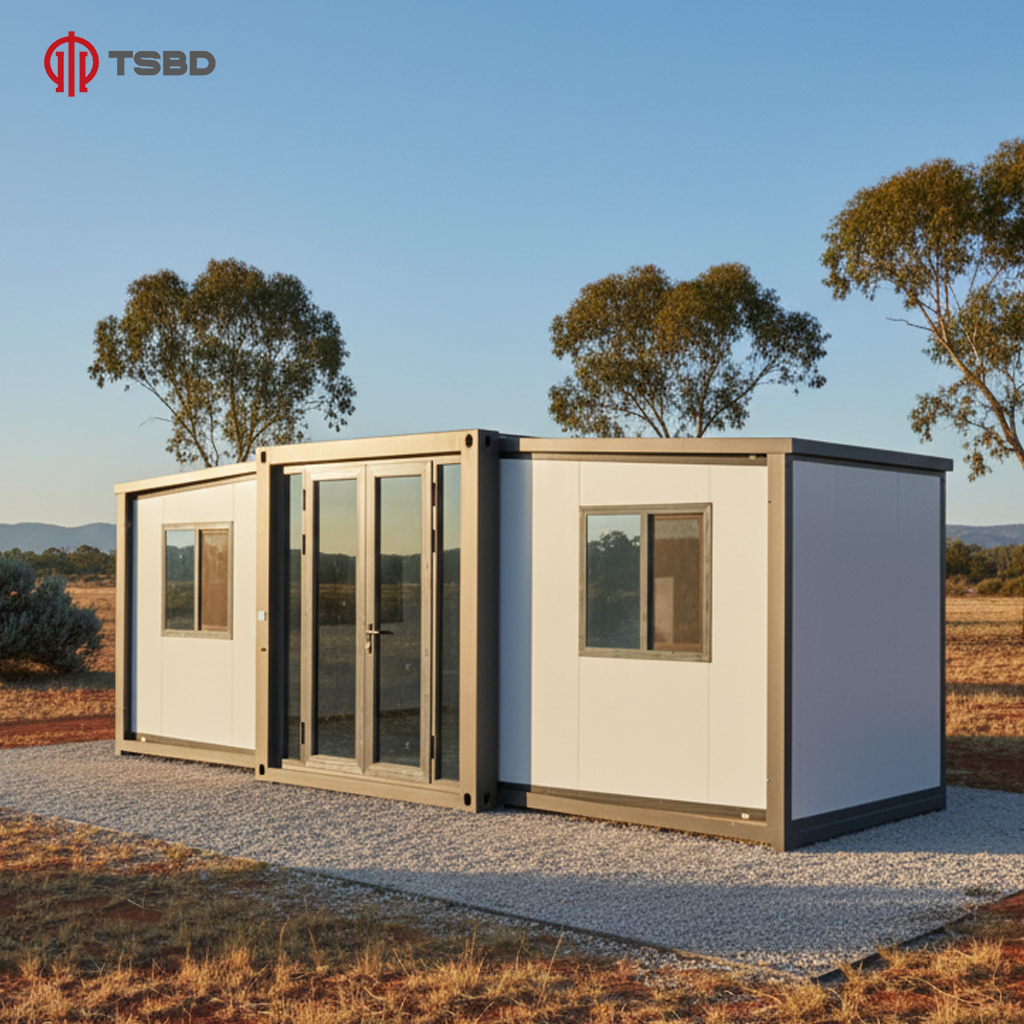
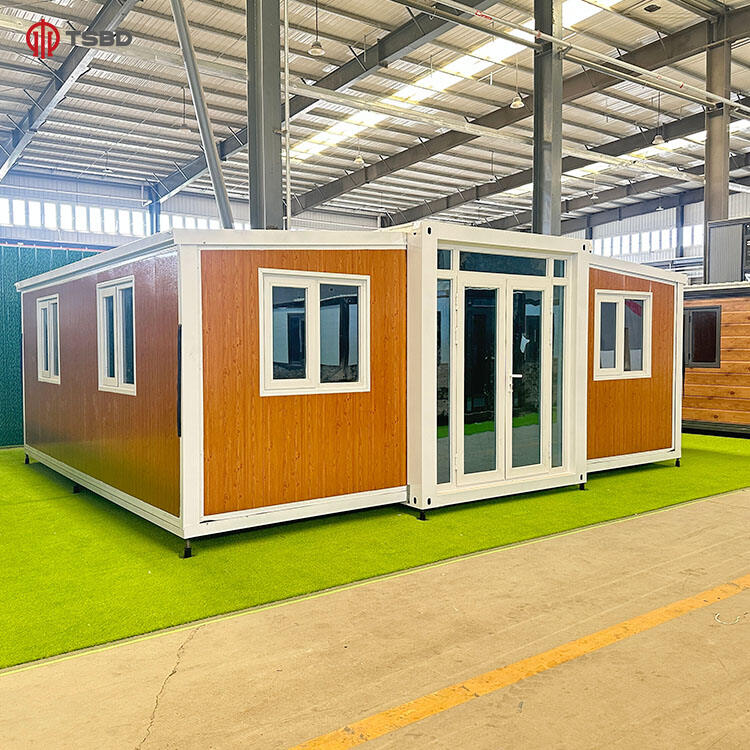
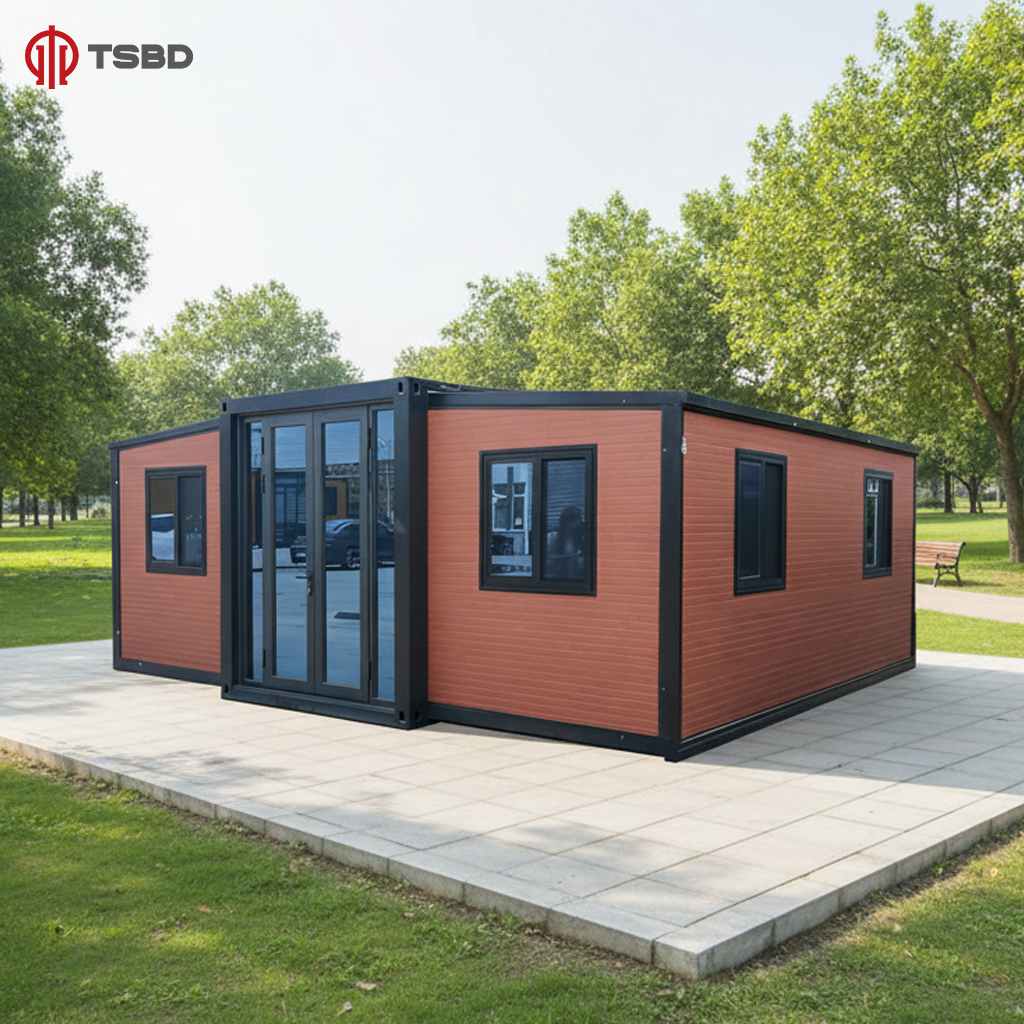
Durable construction built for long-term value establishes the foldable house for camping as a genuine investment rather than a disposable camping accessory, with materials and manufacturing techniques that ensure decades of reliable service under demanding conditions. The structural framework utilizes aerospace-grade aluminum alloys that deliver exceptional strength-to-weight ratios, providing robust support while maintaining portability that would be impossible with heavier steel constructions. These aluminum components undergo specialized surface treatments that create protective oxide layers resistant to corrosion from salt air, humidity, and chemical exposure, ensuring structural integrity even when used in coastal environments or industrial areas. Wall panels consist of fiber-reinforced composite materials that resist impact damage, punctures, and stress fractures that would compromise lesser constructions, with formulations developed specifically to withstand the mechanical stresses of repeated folding cycles. The foldable house for camping employs industrial-grade fasteners, reinforced connection points, and redundant load paths that prevent single-point failures and maintain structural integrity even if individual components experience damage. Exterior surfaces feature marine-grade waterproofing treatments and UV-stabilized coatings that prevent material degradation from constant sunlight exposure, maintaining appearance and functionality far longer than economy alternatives. Rigorous quality control procedures during manufacturing ensure consistent component dimensions and material properties, eliminating the assembly difficulties and premature failures associated with poorly manufactured products. Testing protocols subject prototype units to extreme stress simulations, including hurricane-force wind exposure, heavy snow load scenarios, seismic vibration sequences, and temperature cycling that spans from subzero cold to extreme heat, validating design integrity before production begins. The foldable house for camping demonstrates remarkable resilience against environmental challenges that destroy conventional camping equipment, including hailstorms, falling branches, wildlife encounters, and accidental impacts from vehicles or equipment. Repairability represents another dimension of long-term value, as modular component design enables replacement of damaged sections without requiring complete unit replacement, extending useful life indefinitely when proper maintenance occurs. Warranty coverage typically extends multiple years, reflecting manufacturer confidence in construction quality and providing buyers with financial protection against defects or premature failures. The substantial resale market for quality foldable house for camping units confirms their value retention, with well-maintained examples commanding strong prices from buyers seeking proven shelter solutions. Total cost of ownership analysis reveals significant advantages compared to recreational vehicles that require expensive maintenance, insurance, registration fees, and depreciate rapidly, making the foldable house for camping a financially prudent choice for budget-conscious outdoor enthusiasts seeking maximum value from their accommodation investments.