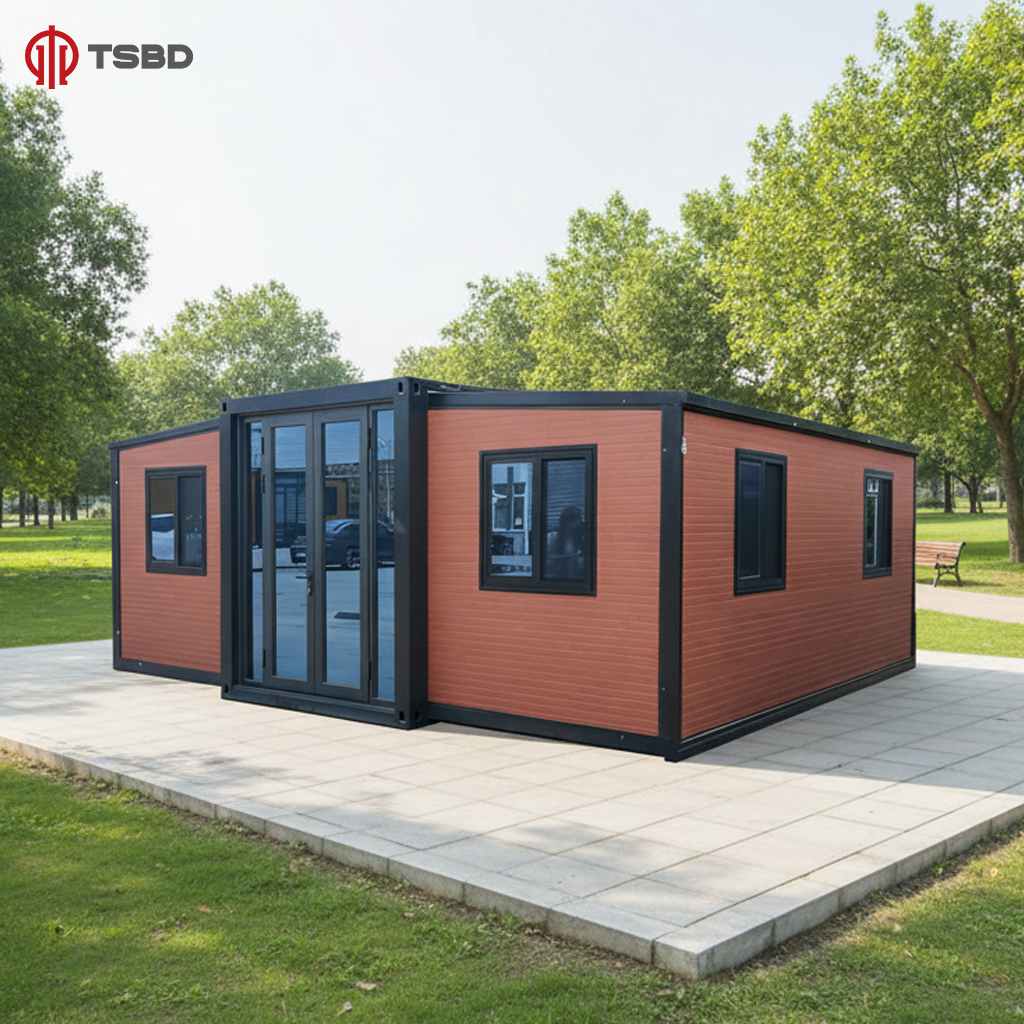
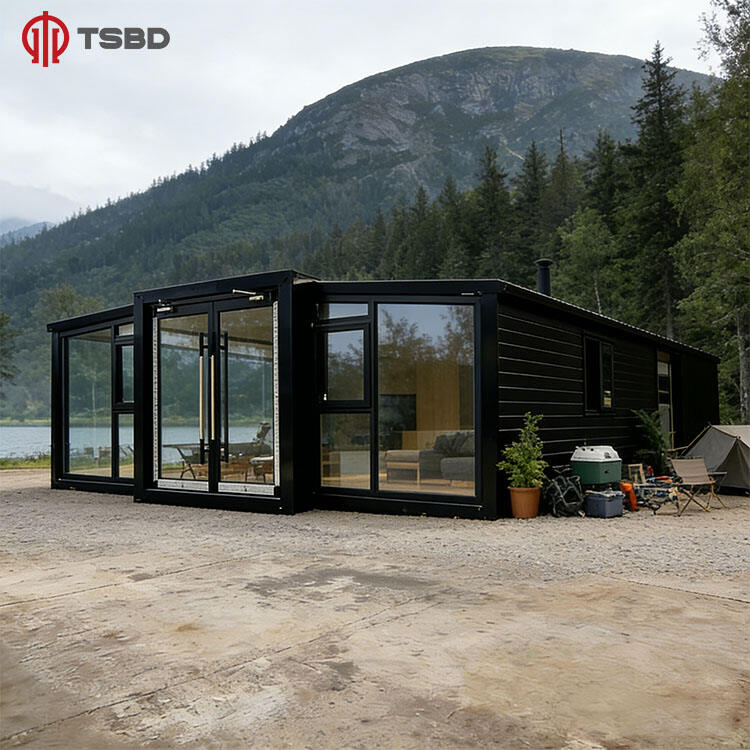
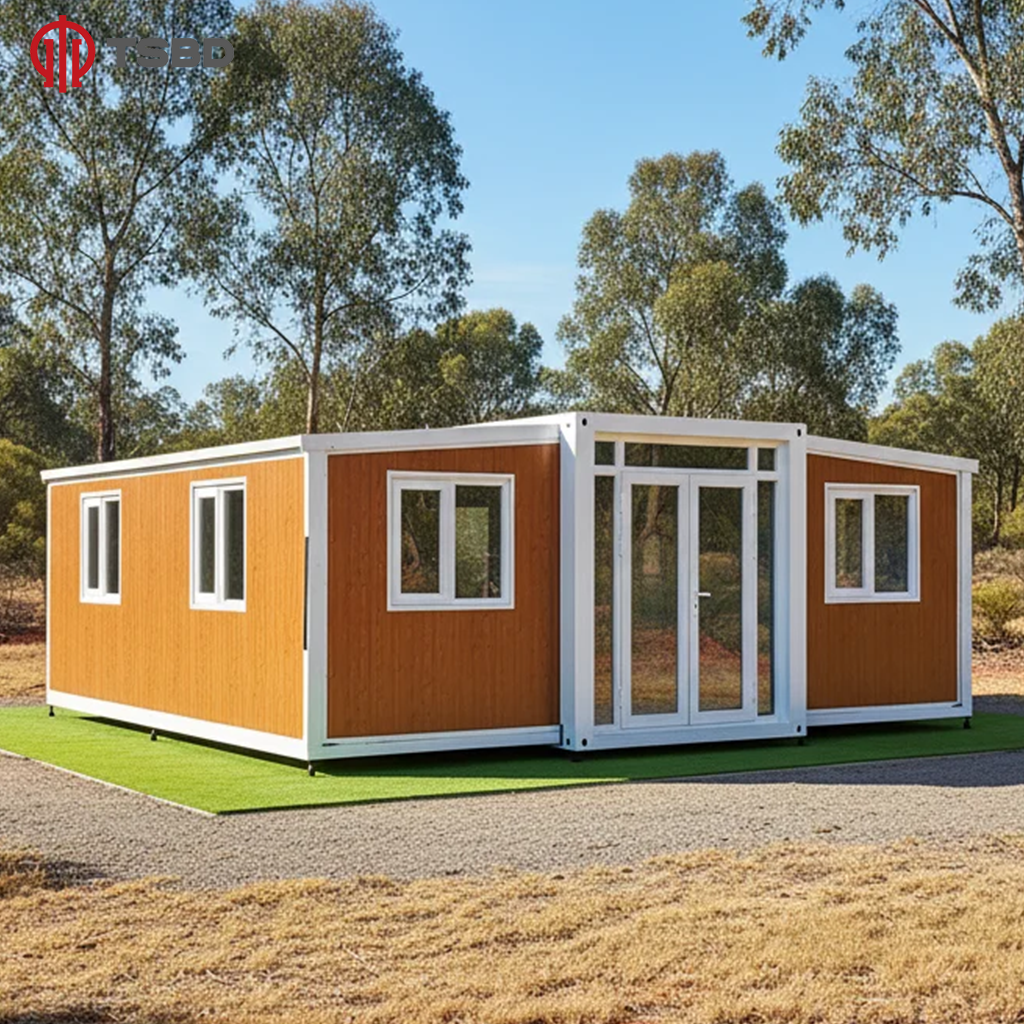
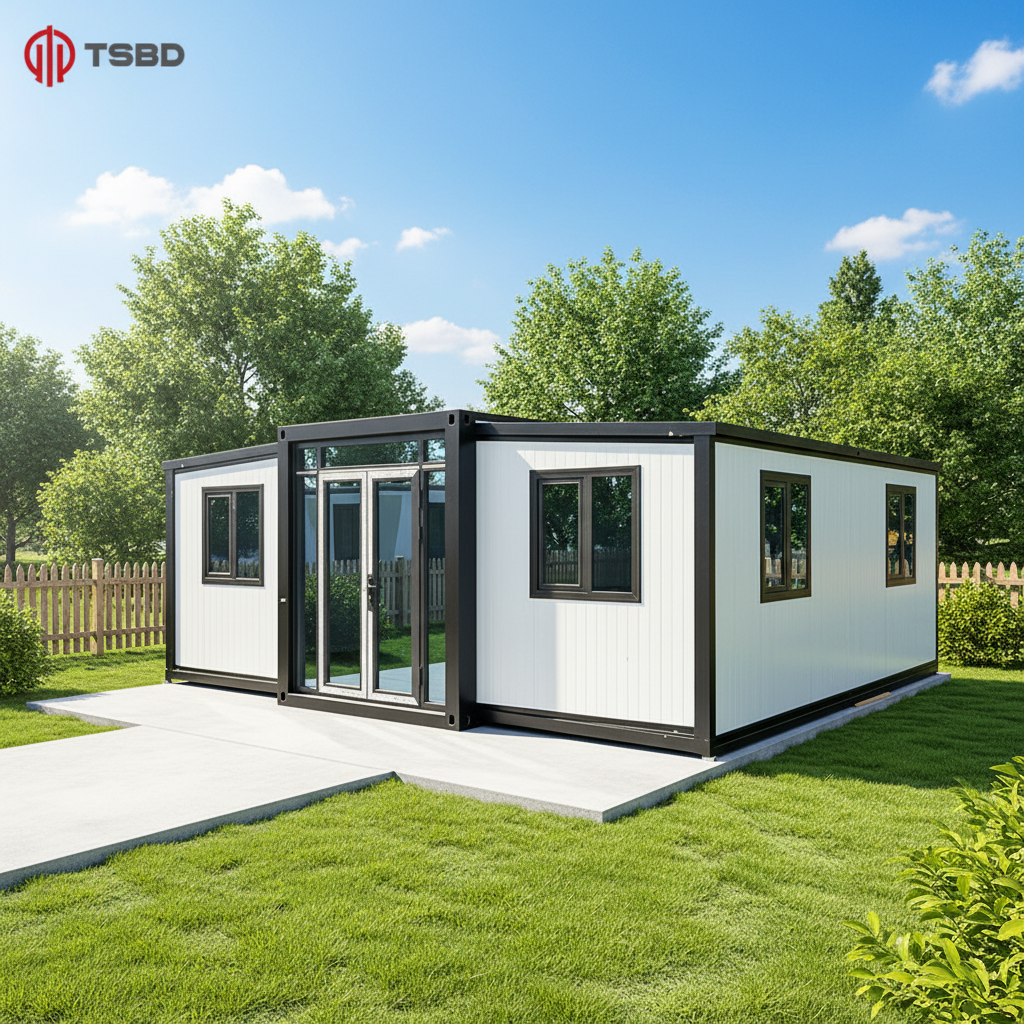
Superior Quality Standards and Sustainable Design for Enhanced Tenant Satisfaction
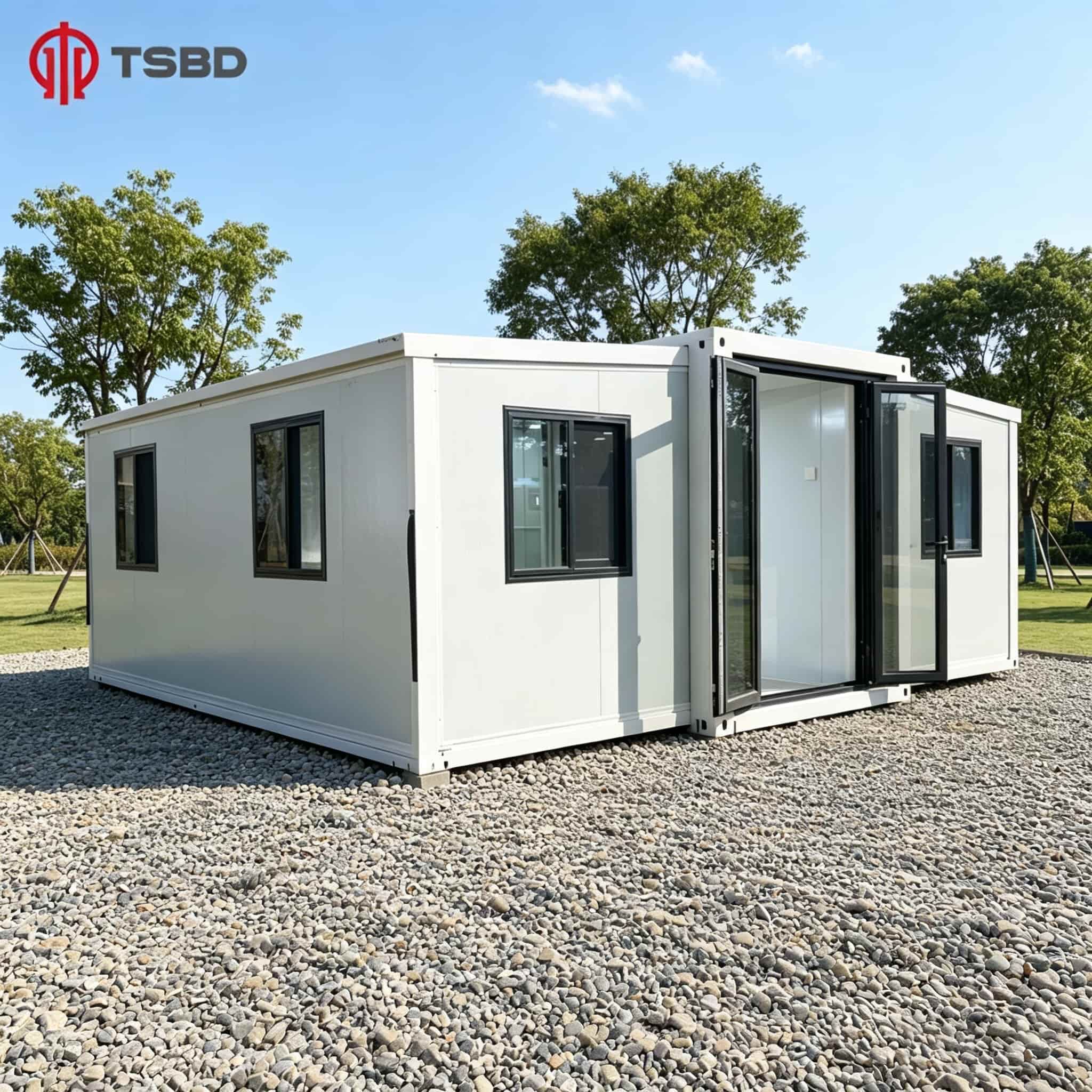
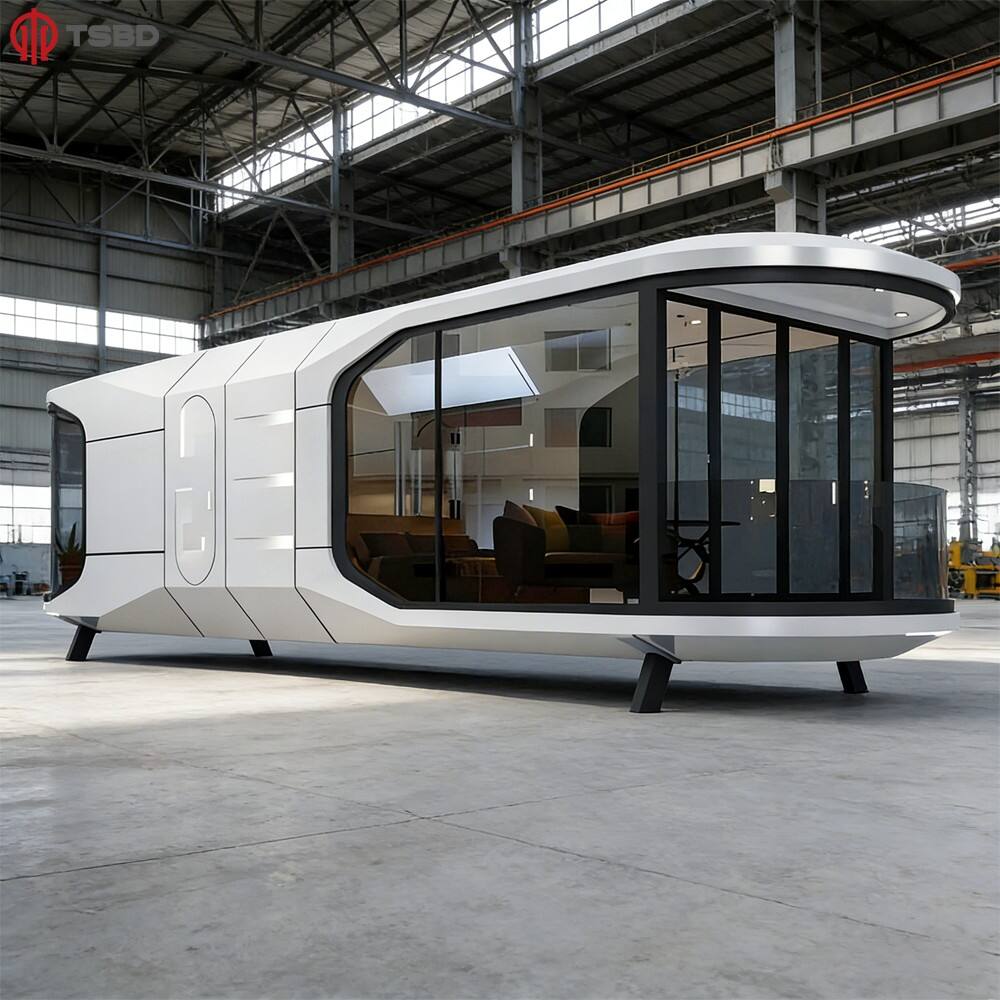
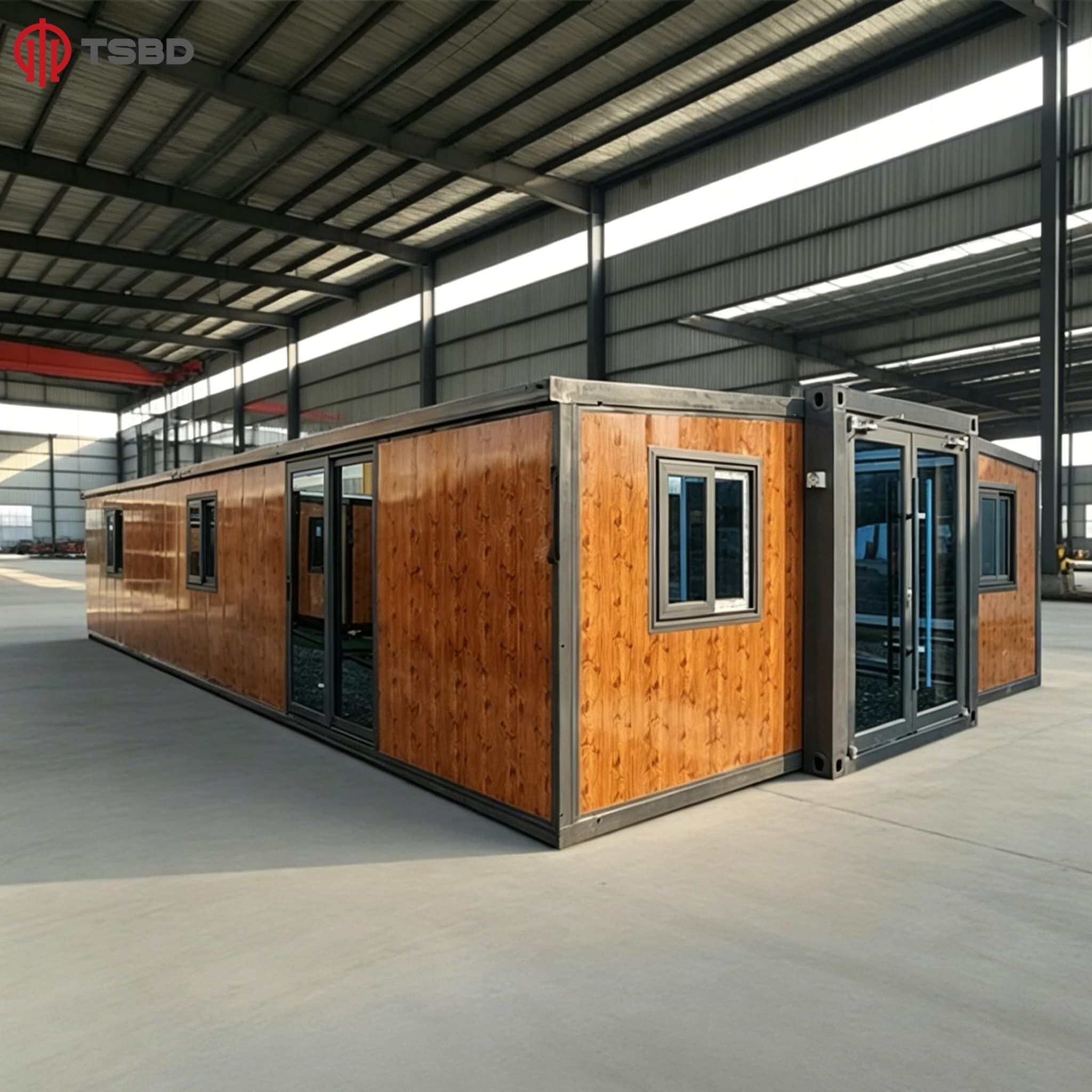
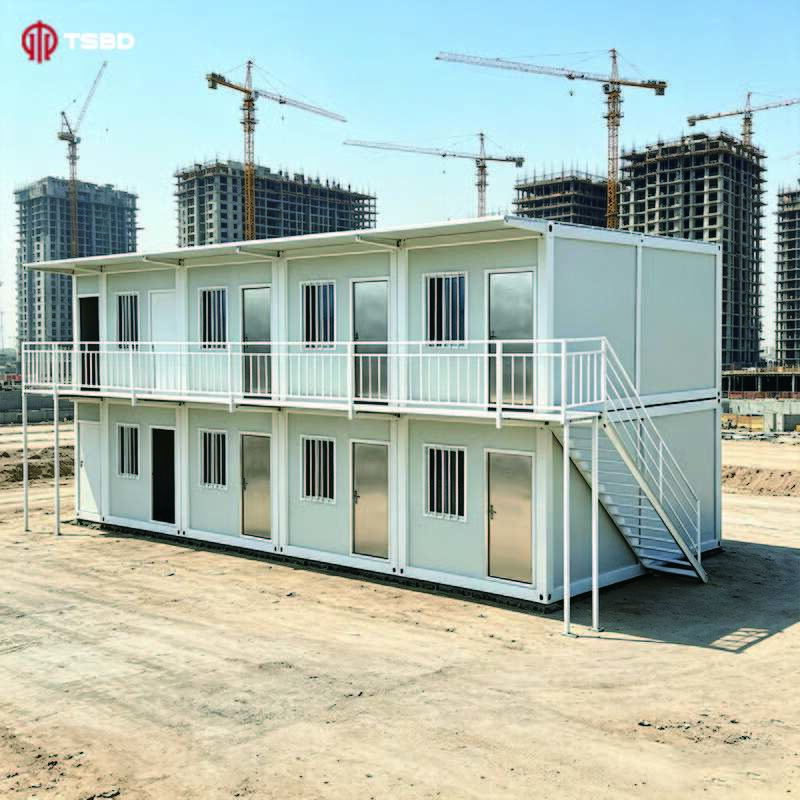
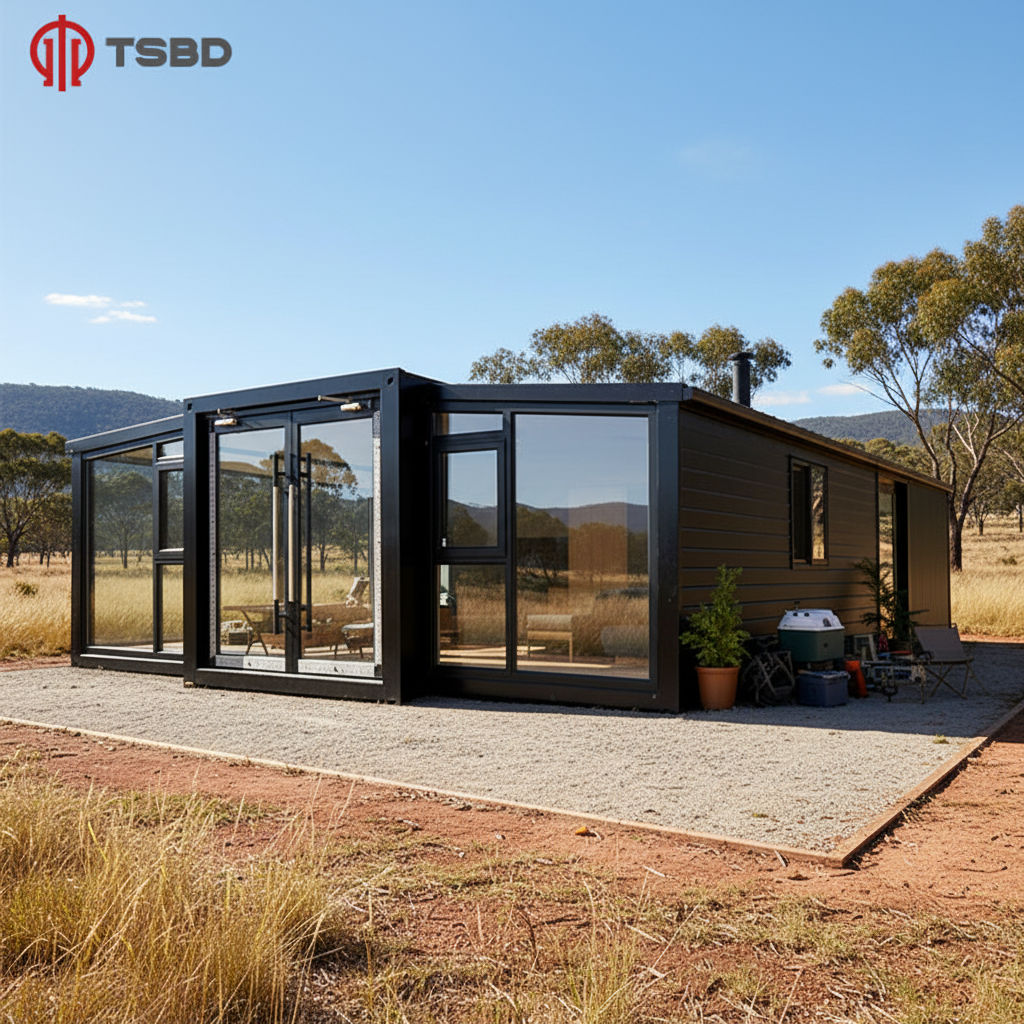
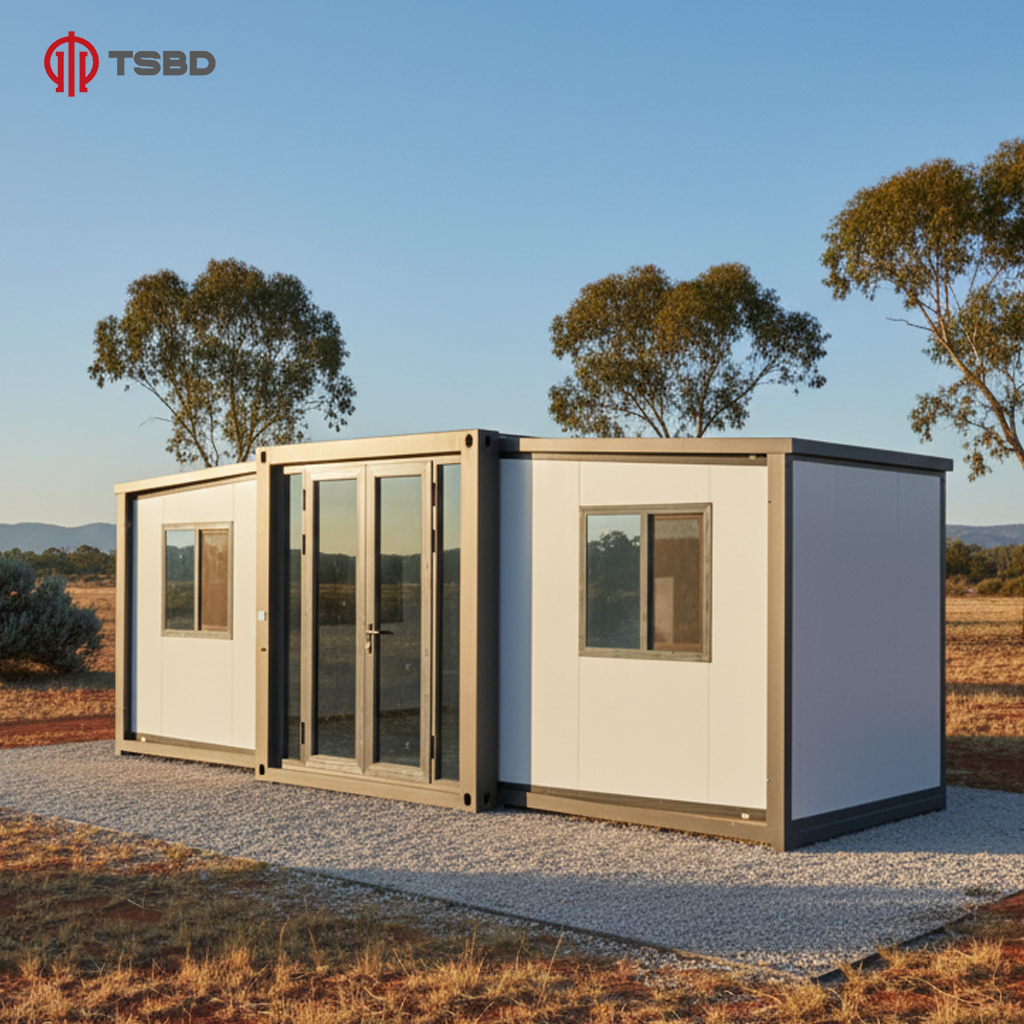
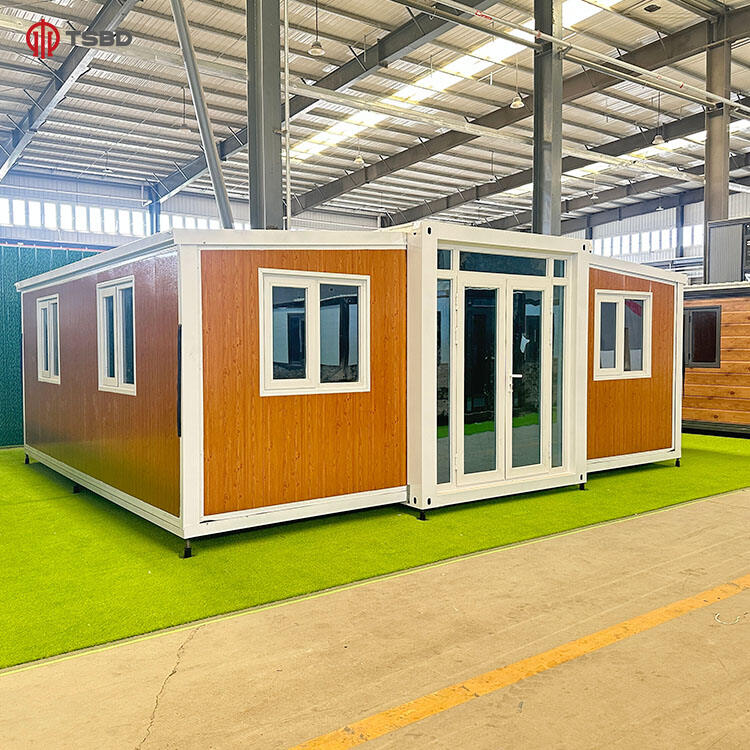
The modular house for rental business achieves superior quality standards and incorporates sustainable design principles that enhance tenant satisfaction, reduce environmental impact, and position operators as responsible housing providers in an increasingly eco-conscious marketplace. Quality consistency represents a fundamental advantage of factory-manufactured housing compared to traditional site-built construction. In controlled manufacturing environments, the modular house for rental business benefits from systematic quality assurance processes that inspect components at multiple production stages, verify dimensional accuracy with precision instruments, and ensure all systems function properly before units leave the factory. Weather protection during construction prevents moisture damage, material degradation, and workmanship issues that commonly affect outdoor building projects. Skilled factory workers specialize in specific assembly tasks, developing expertise that produces more consistent results than rotating site crews who perform varied tasks across different projects. This manufacturing rigor translates into modular house for rental business units that exhibit fewer defects, require less remedial work, and maintain their structural and aesthetic integrity longer than comparable traditional structures. Tenants notice quality differences immediately through superior fit and finish, properly functioning systems, and comfortable living environments. These positive experiences generate higher satisfaction scores, longer tenancy durations, and more favorable reviews that enhance marketing effectiveness and reduce vacancy rates. Sustainable design integration positions the modular house for rental business advantageously as environmental regulations tighten and tenant preferences increasingly favor eco-friendly accommodation options. Energy efficiency starts with enhanced insulation systems that exceed minimum code requirements, reducing heating and cooling loads substantially. High-performance windows with low-emissivity coatings minimize thermal transfer while maximizing natural light. LED lighting throughout units reduces electrical consumption, and efficient HVAC systems maintain comfort with minimal energy input. These features lower utility costs for tenants, making units more affordable and attractive while reducing the carbon footprint of each modular house for rental business operation. Water conservation measures including low-flow fixtures and efficient appliances further enhance sustainability credentials and reduce operating costs. The manufacturing process itself supports environmental responsibility within the modular house for rental business industry. Precision cutting and standardized production minimize material waste compared to site construction, where excess materials often end up in landfills. Factory environments enable systematic recycling of scrap materials, with wood, metal, and other components sorted efficiently for reprocessing. Transportation efficiency improves because completed modules are shipped once to final locations rather than requiring multiple deliveries of raw materials to construction sites. The durability inherent in quality-controlled manufacturing extends the useful life of each modular house for rental business unit, reducing the frequency of replacement and the associated environmental costs of demolition and new construction. Renewable energy integration is becoming increasingly feasible for the modular house for rental business model. Roof-mounted solar panels can be factory-installed, providing clean electricity generation that further reduces operating costs and environmental impact. Battery storage systems allow units to function independently of grid connections when deployed to remote locations, expanding market opportunities while supporting sustainability objectives. Indoor environmental quality receives particular attention in well-designed modular house for rental business units. Low-VOC materials minimize off-gassing and improve air quality, enhanced ventilation systems prevent moisture accumulation and associated health issues, and thoughtful spatial planning maximizes natural light and creates pleasant living environments. These health-focused design elements appeal to wellness-conscious tenants and demonstrate operator commitment to occupant wellbeing beyond minimum regulatory requirements. The combination of superior quality and sustainable design positions the modular house for rental business as a responsible, forward-thinking accommodation solution that meets contemporary expectations while delivering practical economic benefits to both operators and tenants.