Modular House for Disaster Relief - Rapid Deployment Emergency Shelter Solutions

modular house for disaster relief

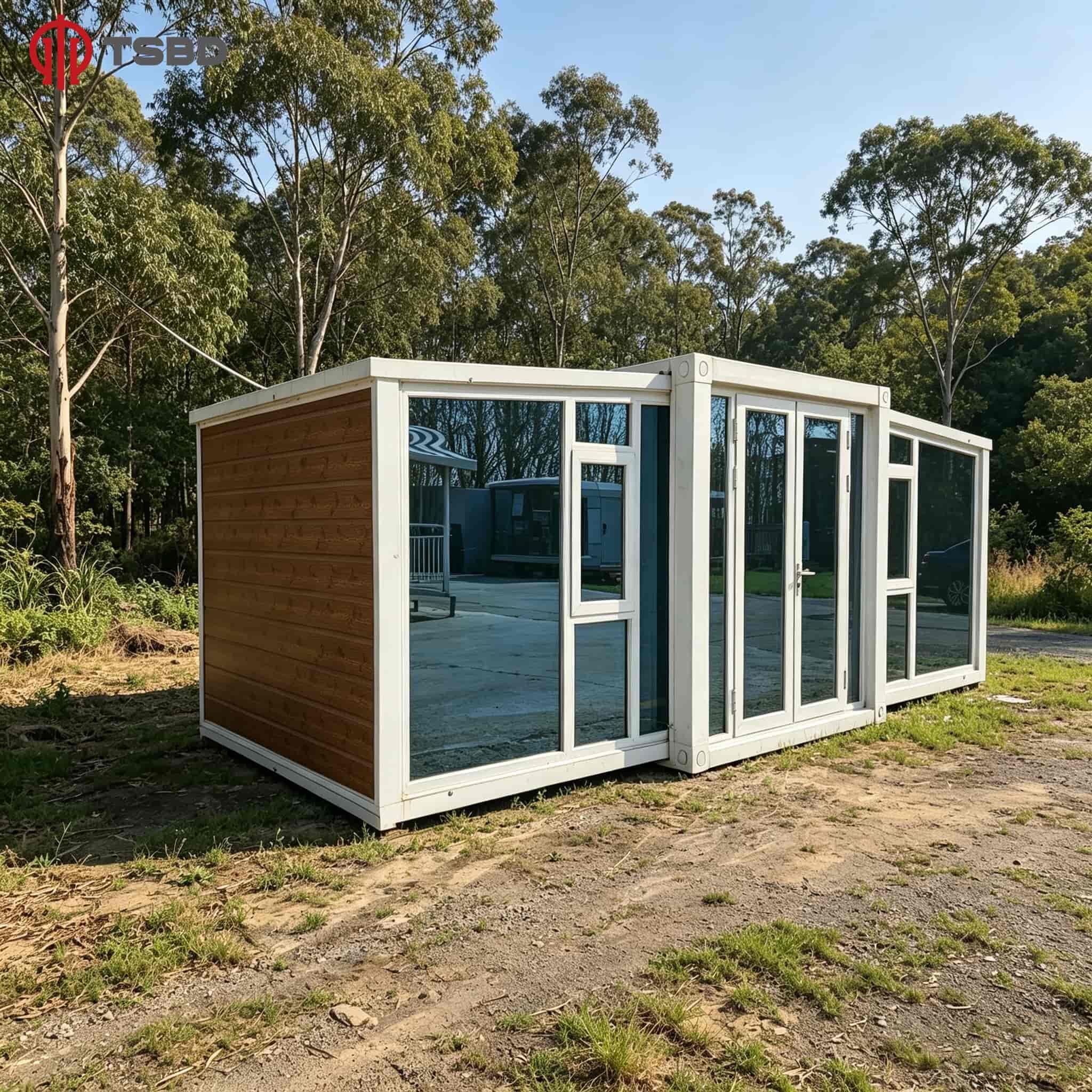
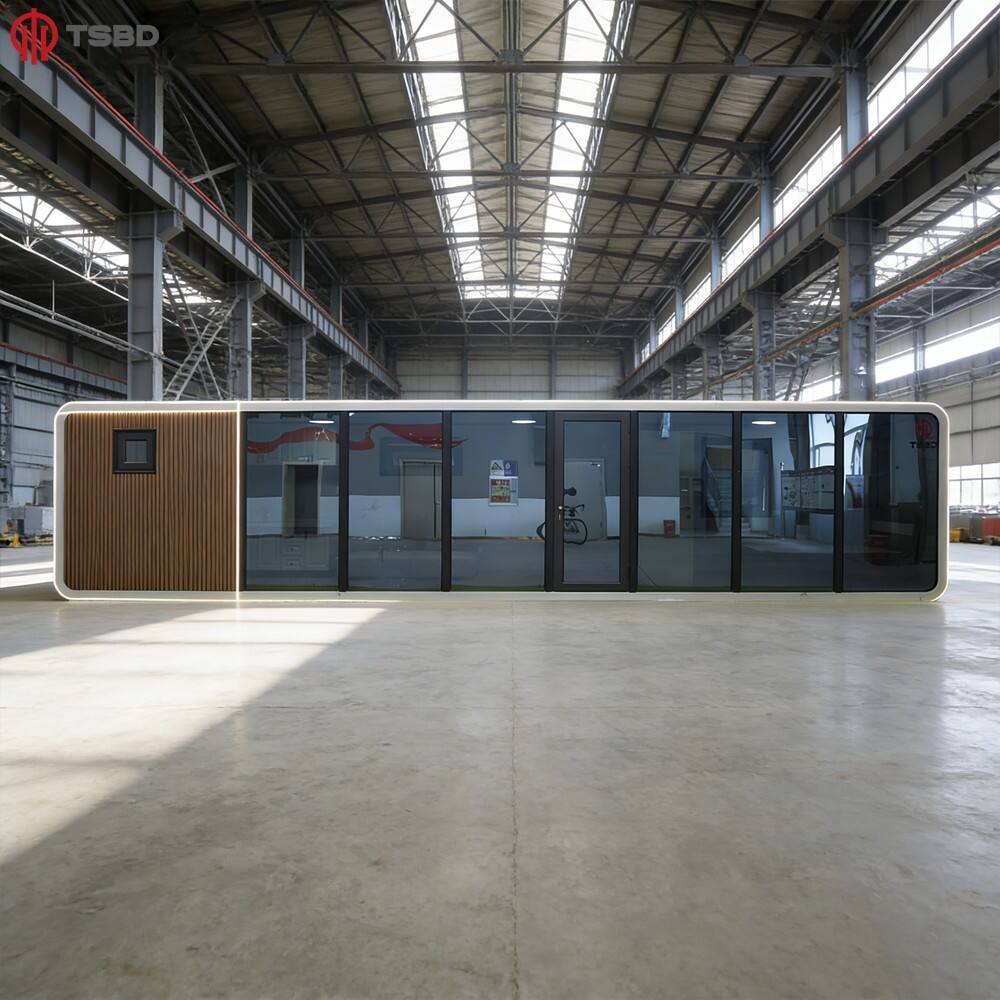
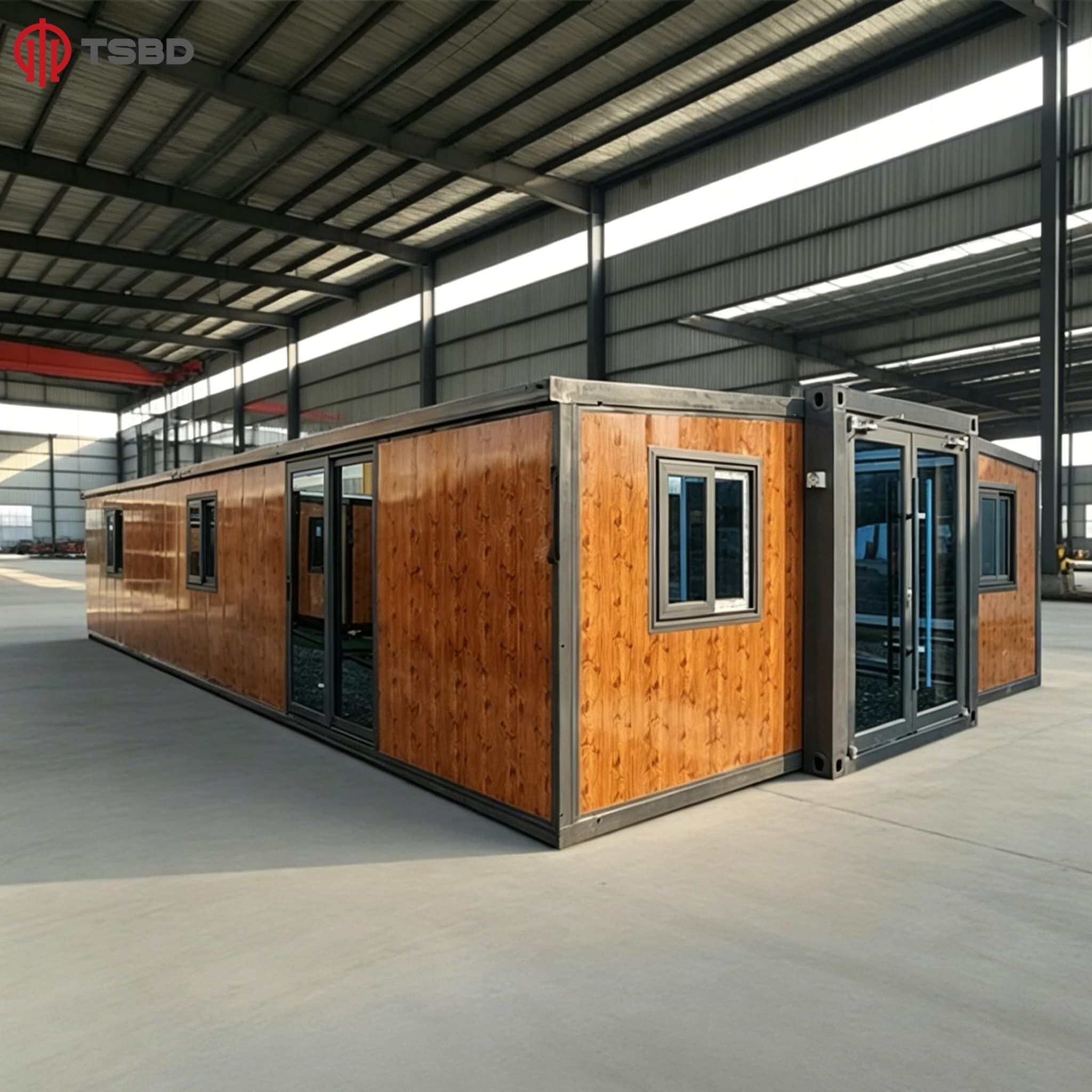
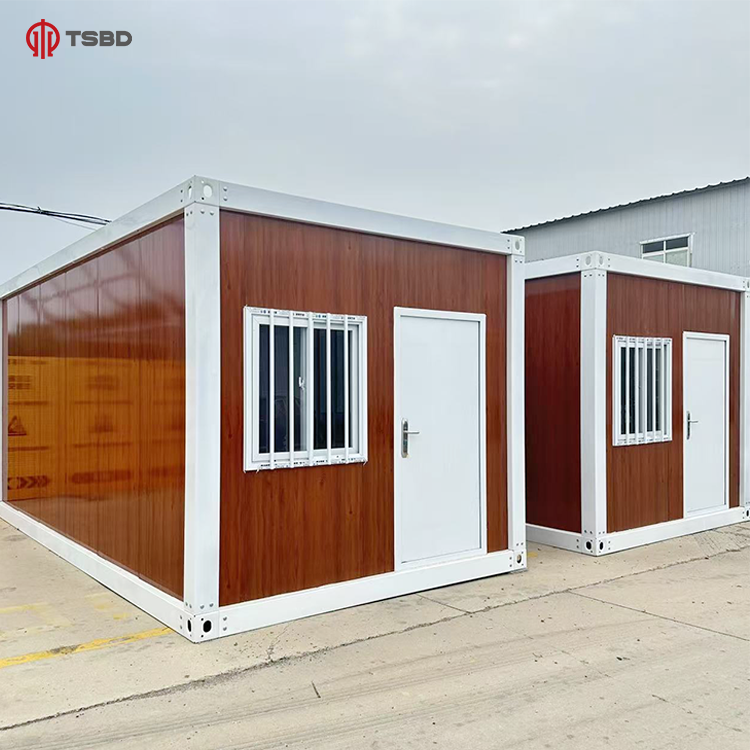
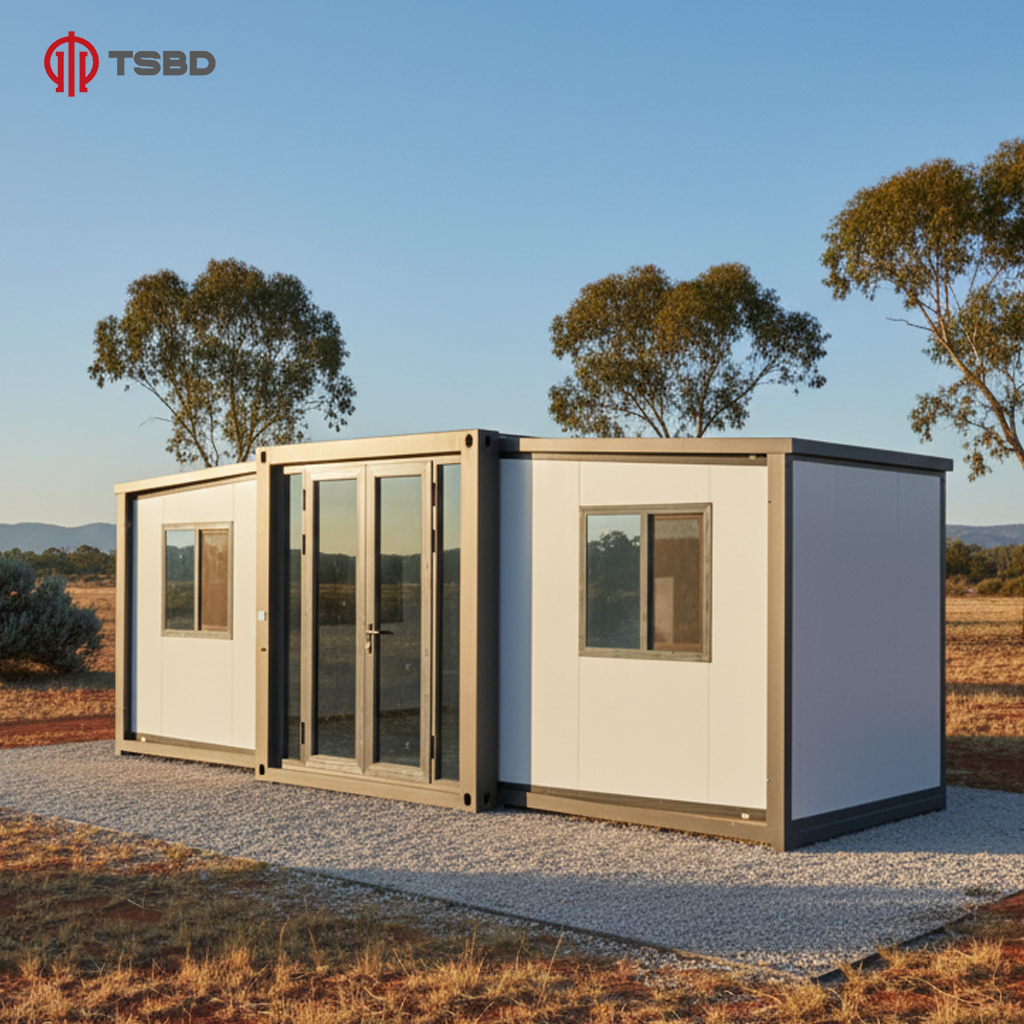
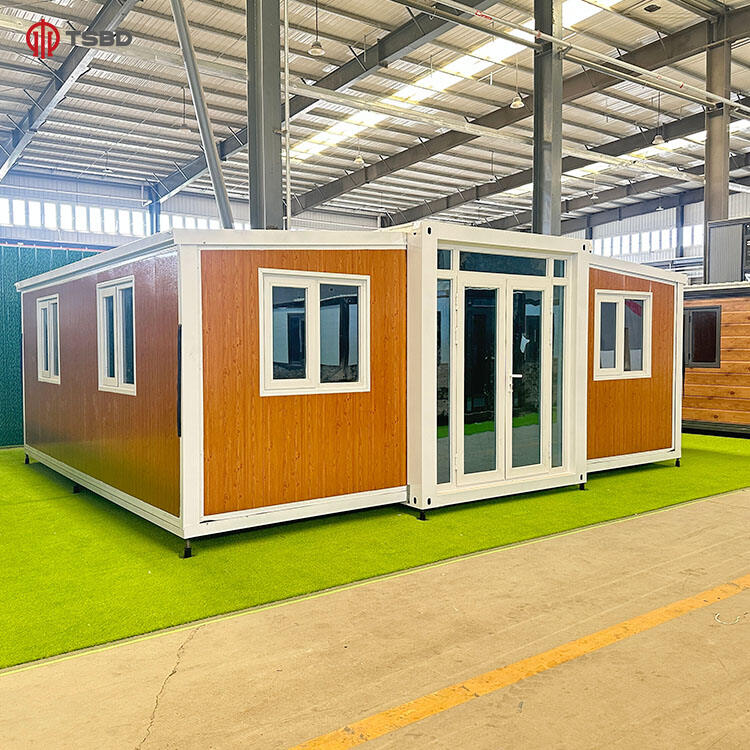
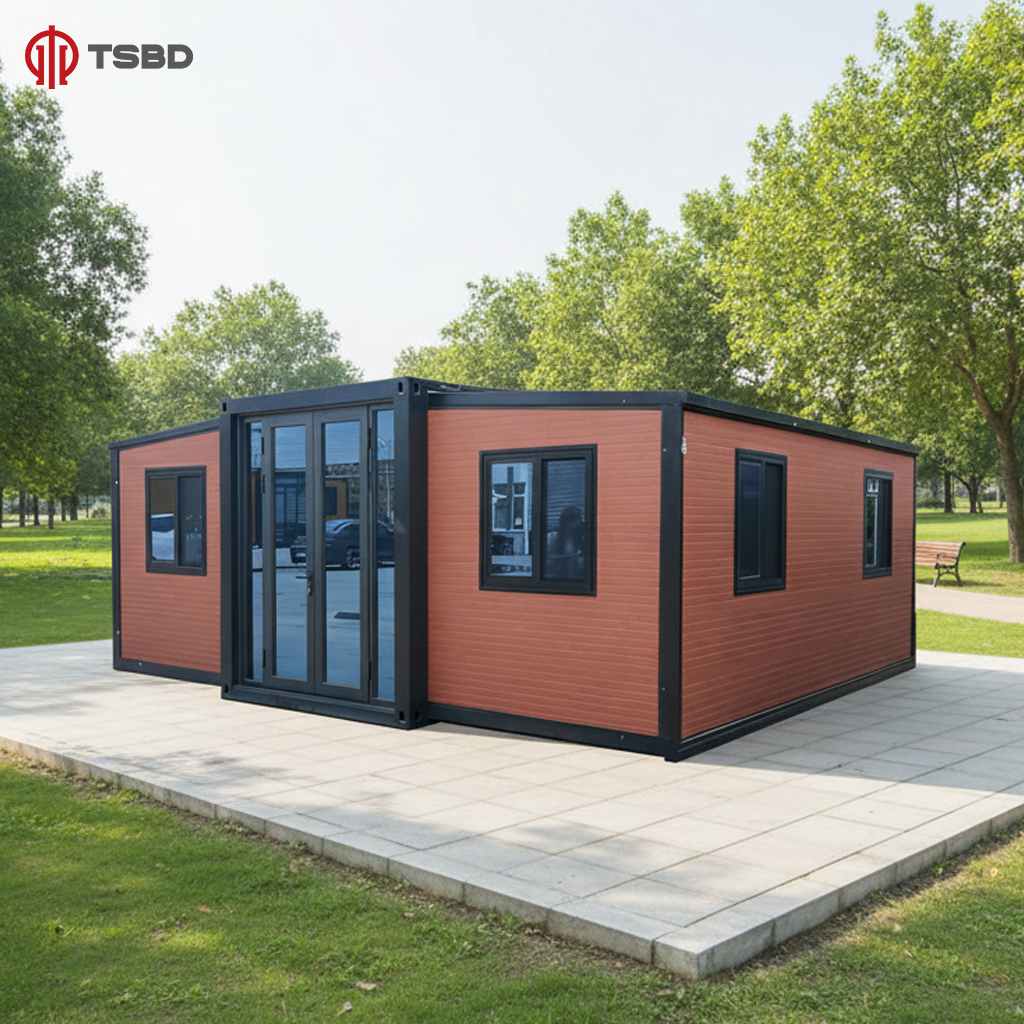
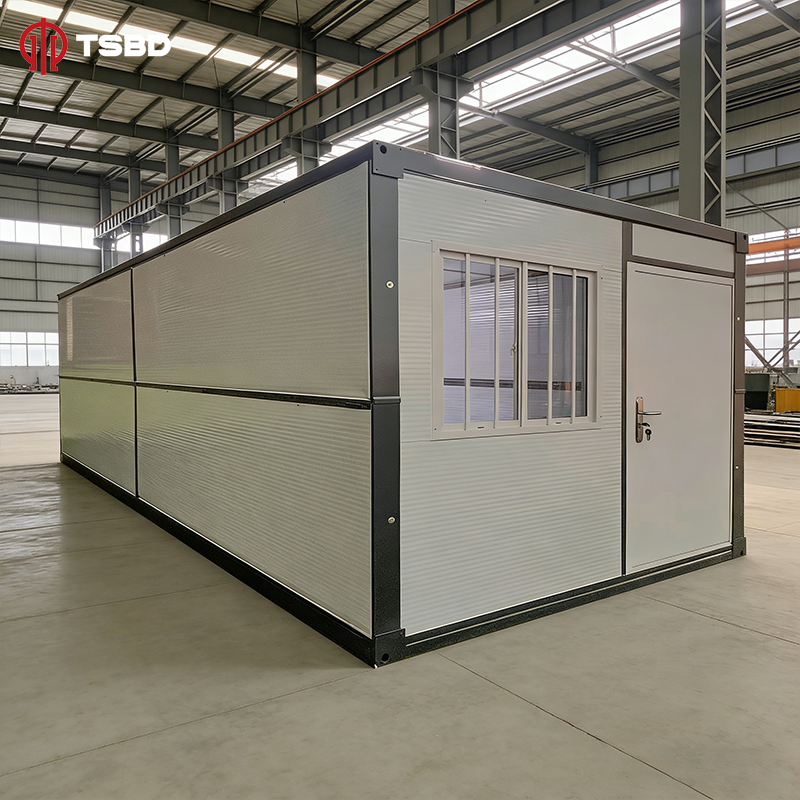
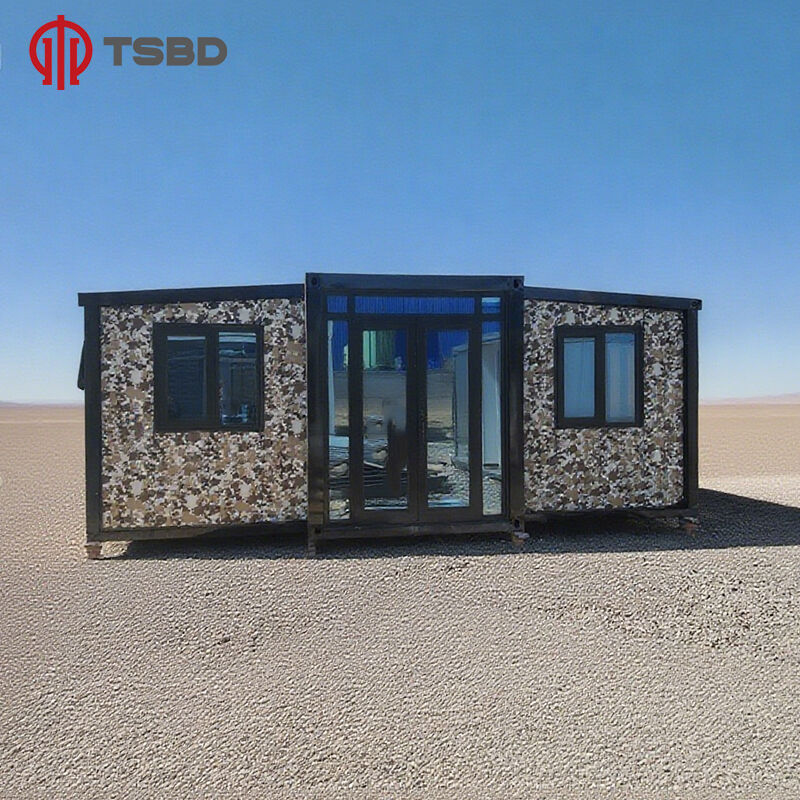
The modular house for disaster relief represents a breakthrough solution in emergency housing technology, designed to provide immediate shelter for communities affected by natural disasters, conflicts, or humanitarian crises. These innovative structures combine rapid deployment capabilities with durable construction methods, offering a reliable alternative to traditional emergency shelters. Each modular house for disaster relief features a prefabricated design that allows for quick assembly on-site, typically within hours rather than days or weeks. The units are manufactured in controlled factory environments, ensuring consistent quality standards and structural integrity. The core framework utilizes high-strength steel or aluminum alloys, providing exceptional resistance to extreme weather conditions including hurricanes, earthquakes, and heavy snowfall. Exterior panels are crafted from weather-resistant materials such as insulated composite boards or corrugated steel, delivering superior thermal performance and protection from the elements. Interior spaces are thoughtfully designed to maximize functionality within compact footprints, typically ranging from 20 to 60 square meters per unit. The modular house for disaster relief incorporates essential amenities including electrical wiring systems, ventilation openings, insulated walls and roofing, waterproof flooring, and secure door and window installations. These structures can be configured in various layouts to accommodate different needs, from individual family units to multi-room facilities for medical care, administrative operations, or community gathering spaces. Transportation efficiency is a critical design consideration, with modules dimensioned to fit standard shipping containers, enabling cost-effective delivery to remote or difficult-to-access disaster zones. The modular house for disaster relief serves diverse applications including emergency evacuation centers, temporary housing for displaced populations, field hospitals, disaster response command centers, and transitional accommodation during reconstruction phases. Environmental sustainability is increasingly integrated into modern designs, with options for solar panel integration, rainwater collection systems, and recyclable building materials that minimize ecological impact while maintaining operational effectiveness in crisis situations.

New Product Releases

The modular house for disaster relief delivers numerous practical benefits that directly address the urgent challenges faced during emergency response operations. First and foremost, speed of deployment stands as a critical advantage, with complete installation possible within 24 to 48 hours after arrival on site. This rapid assembly capability means affected populations gain access to safe shelter significantly faster than conventional construction methods would allow, reducing exposure to health risks and environmental hazards. The durability of these structures provides long-term value, as the modular house for disaster relief is engineered to withstand harsh conditions for extended periods, often remaining functional for 15 to 25 years with basic maintenance. This longevity transforms temporary shelters into semi-permanent housing solutions, supporting communities throughout lengthy reconstruction processes. Cost efficiency represents another substantial advantage, with modular construction reducing material waste, labor expenses, and transportation costs compared to site-built alternatives. Organizations managing disaster response budgets appreciate the predictable pricing and reduced overall expenditure these systems provide. The flexibility of modular design allows responders to scale accommodation capacity according to actual needs, adding or reconfiguring units as situations evolve. This adaptability proves invaluable when disaster impacts change or when facilities need to transition from emergency shelters to schools, clinics, or administrative offices. Safety features built into every modular house for disaster relief include fire-resistant materials, secure structural connections, non-toxic interior finishes, and proper ventilation systems that protect occupant health and wellbeing. The controlled manufacturing environment ensures consistent quality control, eliminating many construction defects common in field-built emergency structures. Comfort levels exceed basic tent accommodations substantially, with insulated walls maintaining stable interior temperatures, solid walls providing privacy and security, and proper doors and windows allowing natural light and fresh air circulation. Maintenance requirements remain minimal due to durable materials and simple mechanical systems, reducing the operational burden on relief organizations already stretched thin during crisis response. Reusability emerges as an often-overlooked advantage, since the modular house for disaster relief can be disassembled, transported, and reinstalled at new locations when needs shift, maximizing return on investment. Environmental considerations are increasingly important, with modern modular designs incorporating sustainable materials, energy-efficient features, and reduced construction waste compared to traditional building methods. Finally, the psychological benefits of providing dignified, secure housing rather than crowded tent camps cannot be overstated, as proper shelter supports mental health recovery and helps communities begin rebuilding their lives with greater stability and hope.

Tips And Tricks

What factors influence the cost and value of a tiny home today?

14

May

What factors influence the cost and value of a tiny home today?

Understanding what drives the cost and value of a tiny home has become essential for buyers, investors, and housing enthusiasts navigating today's evolving residential landscape. The tiny home movement continues to gain momentum as more people seek a...
View More
Why portable house is suitable for temporary and long-term use cases?

14

May

Why portable house is suitable for temporary and long-term use cases?

The modern construction landscape has witnessed a remarkable shift toward adaptable housing solutions that address both immediate shelter needs and sustained residential requirements. A portable house represents a versatile architectural innovation d...
View More
How portable house solutions support flexible living and working environments?

14

May

How portable house solutions support flexible living and working environments?

The modern world demands adaptability in how we live and work, and portable house solutions have emerged as a transformative response to this need. As remote work becomes standard practice, professionals seek environments that combine comfort with mo...
View More
What key factors affect portable house durability and performance?

14

May

What key factors affect portable house durability and performance?

Understanding the key factors that affect portable house durability and performance is essential for anyone considering modular or relocatable construction solutions. Whether for residential use, commercial applications, temporary site offices, or di...
View More

Get a Free Quote

Our representative will contact you soon.
Email
Name
Company Name
Message
0/1000

modular house for disaster relief

Rapid Deployment and Installation Efficiency

Rapid Deployment and Installation Efficiency

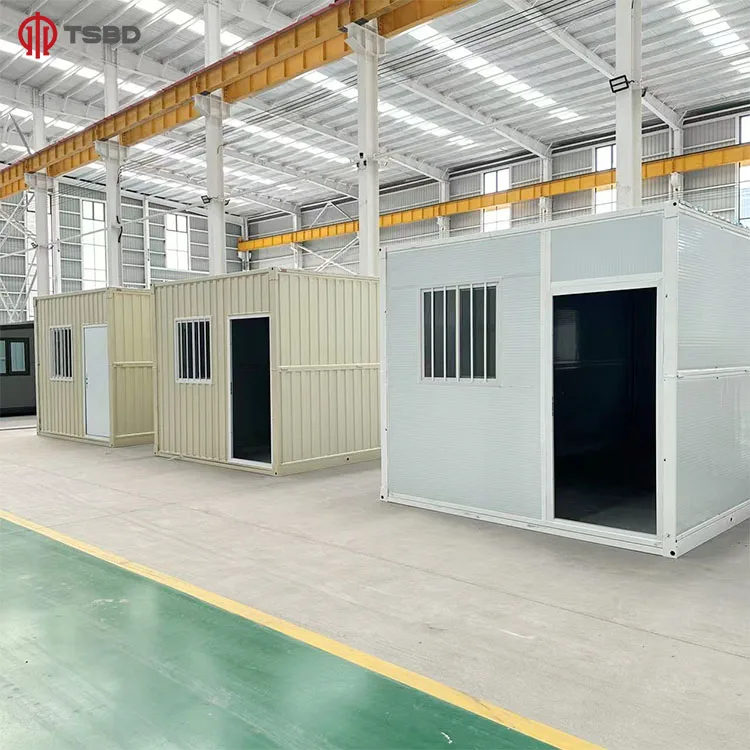
The modular house for disaster relief revolutionizes emergency response timelines through its exceptional rapid deployment capabilities, addressing one of the most critical factors in disaster relief operations. When natural disasters strike, every hour counts in providing safe shelter for affected populations, and traditional construction methods simply cannot meet these urgent timeframes. The prefabricated nature of the modular house for disaster relief means that complete structural components arrive at disaster sites ready for immediate assembly, eliminating the time-consuming processes of material procurement, cutting, measuring, and on-site fabrication. Trained teams of just four to six workers can erect a complete housing unit in as little as four to eight hours, depending on unit size and site conditions. This remarkable speed stems from innovative connection systems that utilize bolt-together frameworks, interlocking panel designs, and pre-installed utility pathways that minimize field work requirements. Transportation logistics have been optimized to support rapid deployment, with standard units designed to fit efficiently within 20-foot or 40-foot shipping containers, allowing multiple housing units to be transported simultaneously via truck, rail, ship, or cargo aircraft to reach even the most remote disaster zones. Upon arrival, minimal site preparation is required, with the modular house for disaster relief capable of installation on relatively uneven terrain using adjustable foundation supports or concrete piers, bypassing the need for extensive ground leveling or foundation construction. The packaging system protects components during transit while facilitating organized unloading sequences that streamline the assembly process. Detailed instruction manuals, labeled components, and increasingly common augmented reality assembly guides enable even minimally trained local workers to participate in construction efforts, building community capacity while accelerating deployment timelines. This speed advantage translates directly into lives protected and suffering reduced, as vulnerable populations gain access to weatherproof, secure accommodation within days of a disaster rather than weeks or months. The rapid deployment capability of the modular house for disaster relief also enables proactive pre-positioning strategies, where relief organizations can stockpile units in regional warehouses for immediate dispatch when disasters occur, further compressing response times and ensuring help arrives precisely when needed most.
Structural Durability and Weather Resistance

Structural Durability and Weather Resistance

The modular house for disaster relief incorporates advanced engineering principles and premium materials that deliver exceptional structural durability and comprehensive weather resistance, ensuring occupant safety across diverse climate conditions and environmental challenges. Unlike conventional emergency shelters that often provide only minimal protection, the modular house for disaster relief is constructed from industrial-grade materials specifically selected for their strength, longevity, and resistance to degradation. The primary structural framework typically employs galvanized steel or aerospace-grade aluminum alloys that resist corrosion, maintain dimensional stability under temperature fluctuations, and provide superior load-bearing capacity. These metal frameworks are engineered to withstand wind speeds exceeding 150 kilometers per hour, making them suitable for deployment in hurricane-prone regions where traditional structures would fail catastrophically. Seismic resistance is incorporated through flexible joint connections that allow controlled movement during earthquake events, dissipating energy rather than transferring destructive forces through rigid connections that could cause structural failure. Wall panels utilize composite sandwich construction combining exterior weather barriers, insulation cores, and interior finish layers that together provide thermal resistance values comparable to permanent residential construction. The insulation not only maintains comfortable interior temperatures in both hot and cold climates but also reduces condensation problems that plague many emergency shelters, preventing mold growth and maintaining healthier indoor environments. Roofing systems on the modular house for disaster relief feature waterproof membranes, proper drainage slopes, and reinforced attachment points that prevent water infiltration even during prolonged heavy rainfall or snow accumulation. Window and door assemblies incorporate weatherstripping, secure locking mechanisms, and impact-resistant glazing that protects against wind-driven debris while providing natural ventilation options. Foundation connection systems anchor structures securely to ground supports, preventing displacement during floods or high winds. The comprehensive weather resistance extends the functional lifespan of each modular house for disaster relief significantly beyond typical emergency shelter expectations, with proper maintenance enabling 15 to 25 years of continuous service. This durability proves particularly valuable in protracted displacement situations where temporary quickly becomes semi-permanent, allowing the same structures to serve communities throughout lengthy reconstruction periods without requiring replacement or major repairs.
Versatile Configuration and Functional Adaptability

Versatile Configuration and Functional Adaptability

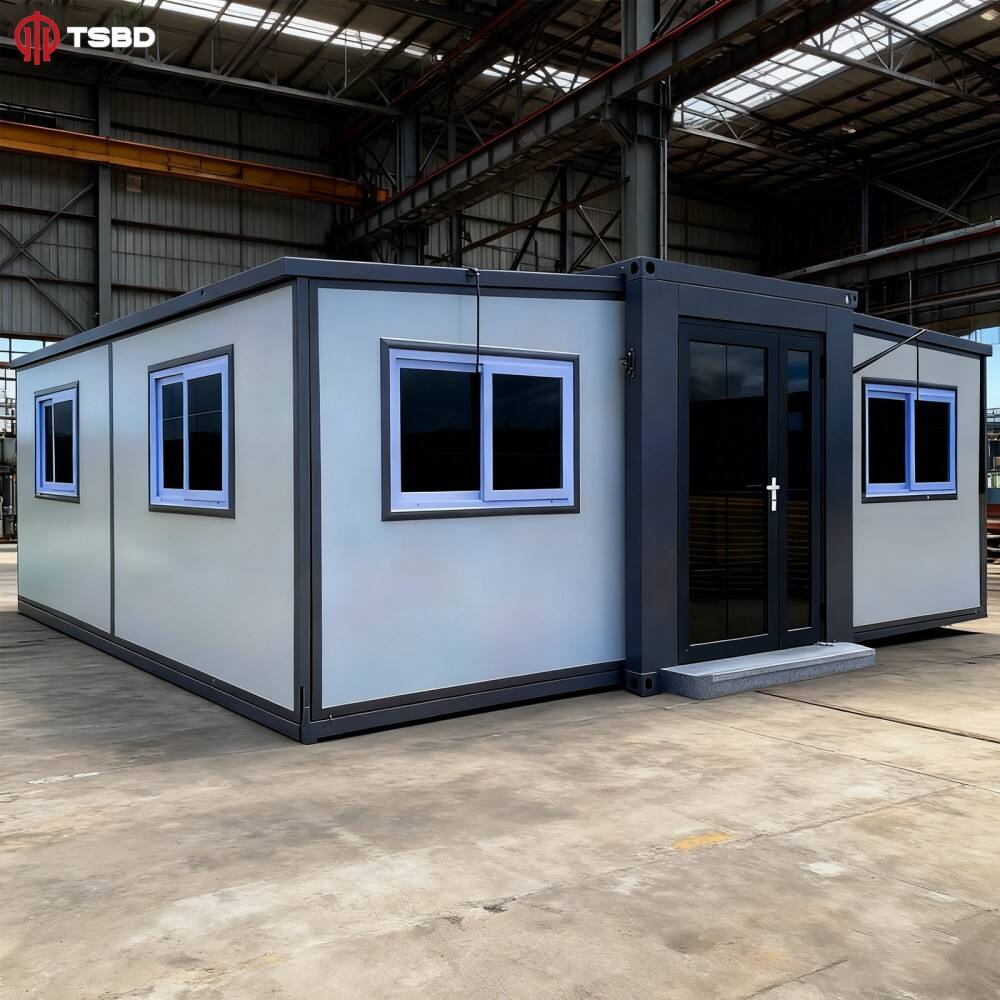
The modular house for disaster relief distinguishes itself through remarkable versatile configuration options and functional adaptability that enable these structures to serve multiple purposes throughout various phases of disaster response and recovery operations. This flexibility begins with the fundamental modular design philosophy, where standardized units can be combined, stacked, or arranged in countless configurations to create spaces ranging from individual family shelters to large institutional facilities. Single modules typically provide 20 to 40 square meters of floor space suitable for emergency family accommodation, but identical units can be connected horizontally to create extended dormitory arrangements for mass shelter scenarios, or stacked vertically to create multi-story structures that maximize land use efficiency in space-constrained urban disaster zones. The modular house for disaster relief adapts to diverse functional requirements through interior partition systems that can be installed, removed, or repositioned to create private sleeping areas, common living spaces, or specialized zones for different activities. This reconfiguration capability means the same basic structural units can transition from initial emergency shelter use to longer-term applications such as temporary schools, medical clinics, administrative offices, or community centers as recovery operations progress and needs evolve. Electrical systems within the modular house for disaster relief are designed with flexibility in mind, incorporating multiple outlet locations, overhead lighting circuits, and capacity for additional loads such as medical equipment, computers, or climate control devices. Plumbing provisions allow for optional integration of water supply lines, drainage systems, and sanitary facilities when municipal infrastructure becomes available or when units are deployed in locations with existing utility connections. The exterior envelope of the modular house for disaster relief accommodates various attachment points for awnings, vestibules, or connecting corridors that expand functional space while maintaining weatherproof integrity. Accessibility modifications can be incorporated to serve elderly or disabled populations, including ramp installations, wider doorways, and interior layout adjustments that accommodate mobility devices. Climate adaptation represents another dimension of versatility, with the same basic structural system available in tropical, temperate, or arctic configurations featuring appropriate insulation levels, ventilation systems, and heating or cooling provisions matched to deployment environments. This adaptability extends to cultural considerations, where interior layouts, privacy provisions, and spatial arrangements can be customized to respect local customs and living patterns, increasing acceptance and appropriate utilization by affected populations who may otherwise resist unfamiliar housing formats.

Get a Free Quote

Our representative will contact you soon.
Email
Name
Company Name
Message
0/1000

Copyright © 2026 Tangshan Waiyang Supply Chain Management Co., Ltd. Beijing All rights reserved.  -  Privacy policy