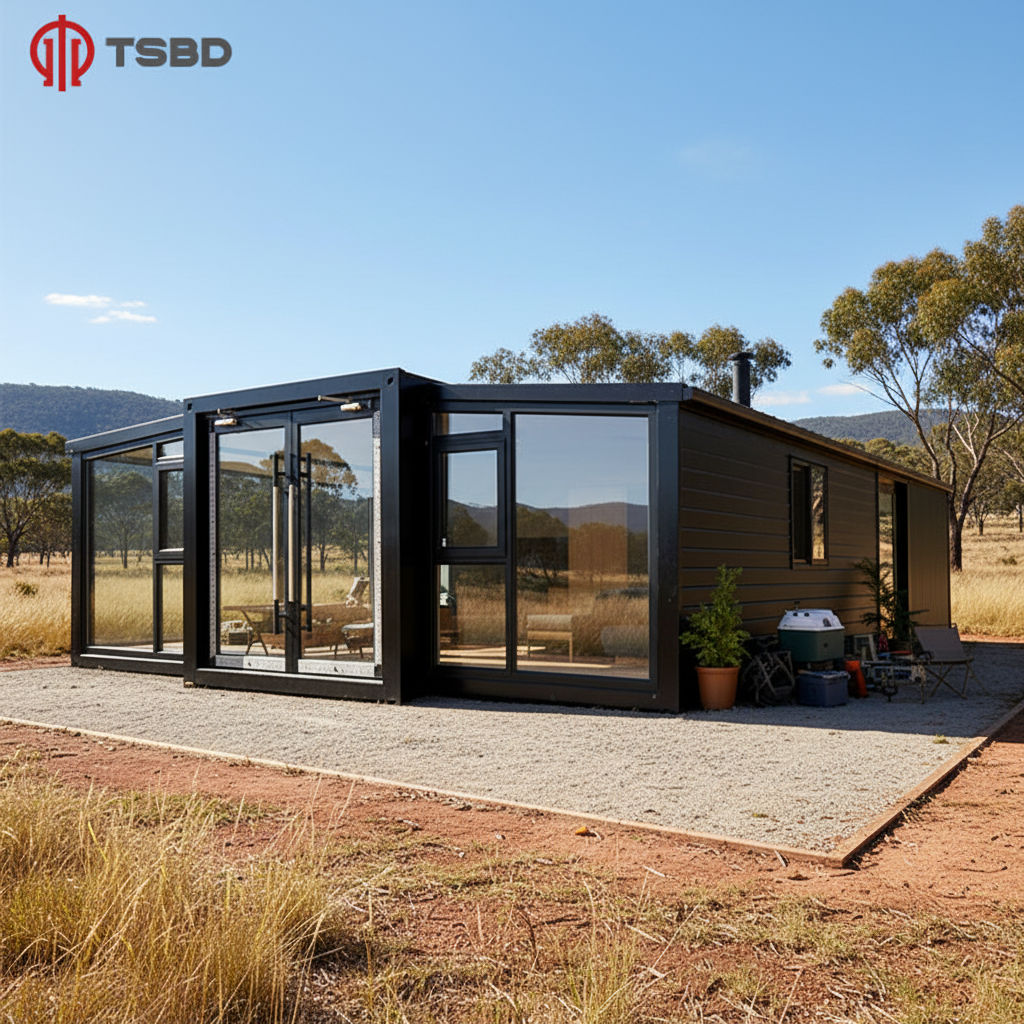
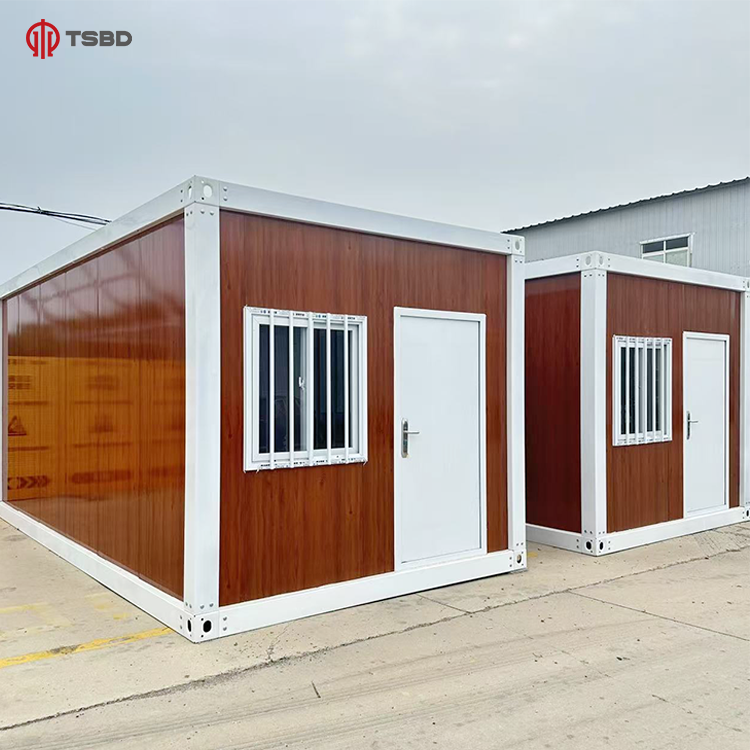
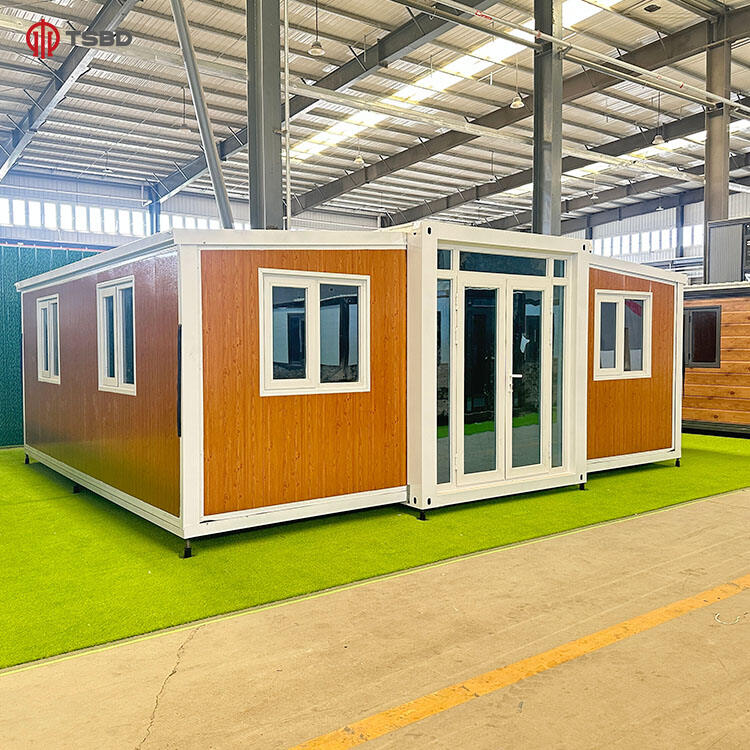
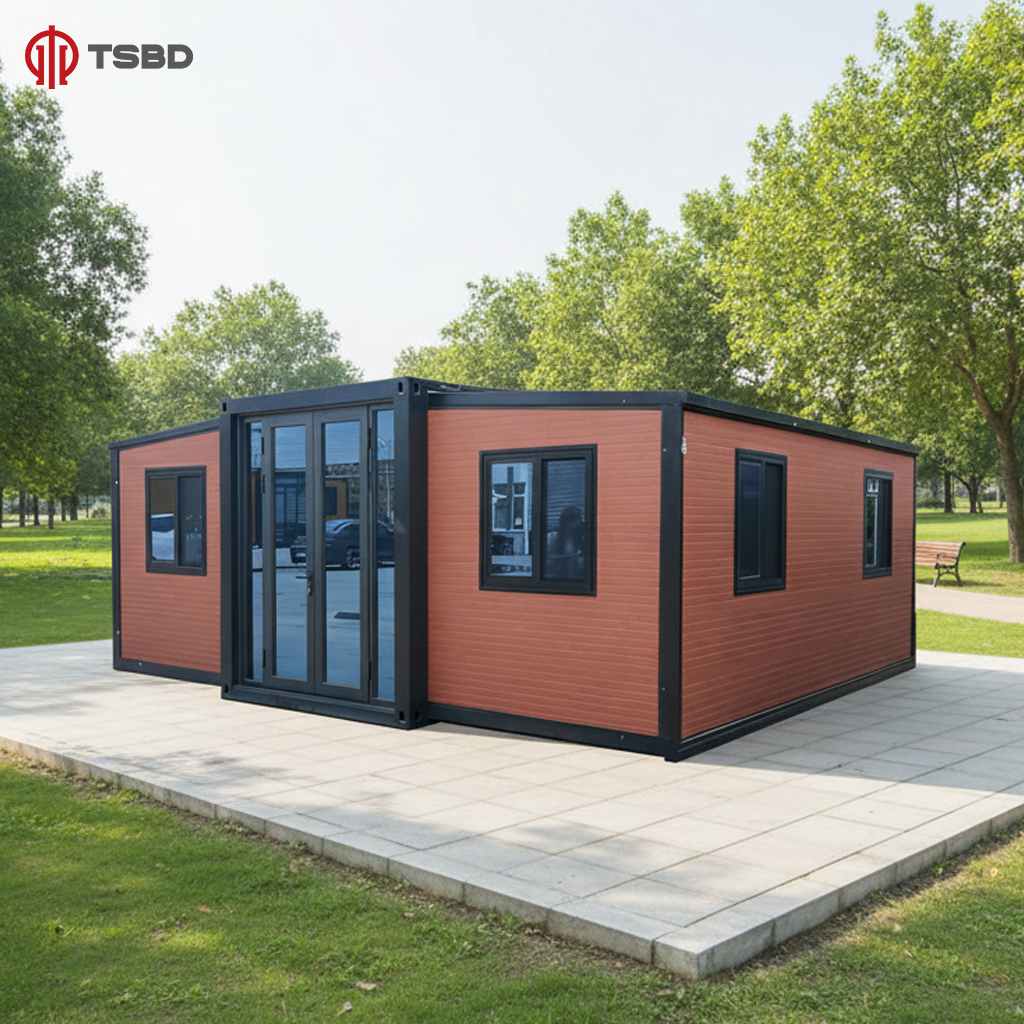
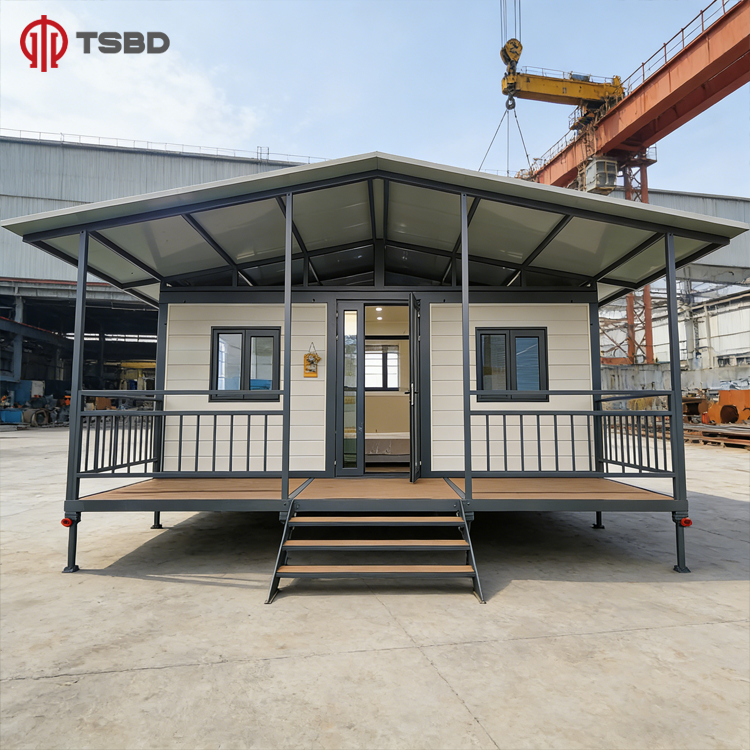
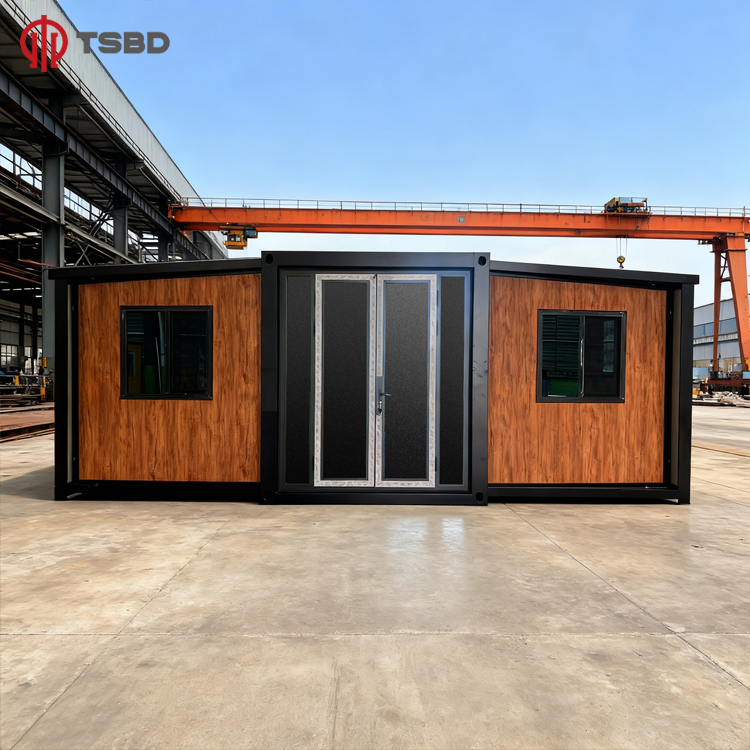
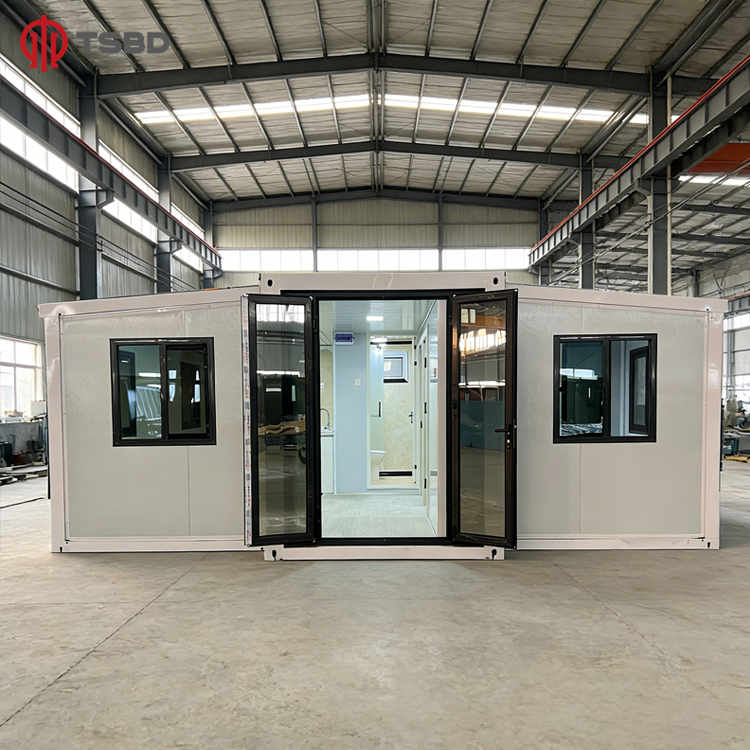
Superior Durability for Challenging Rural Environments
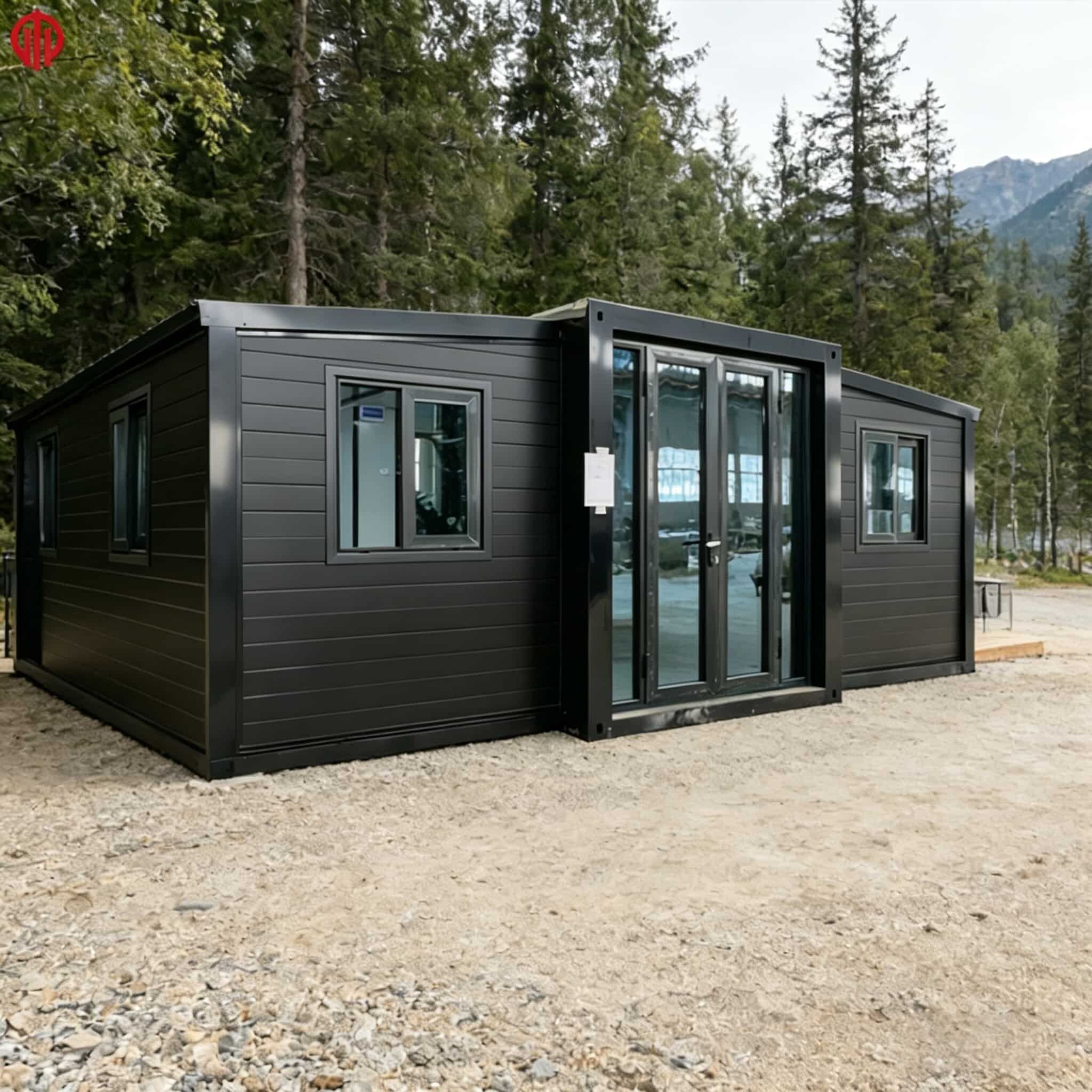
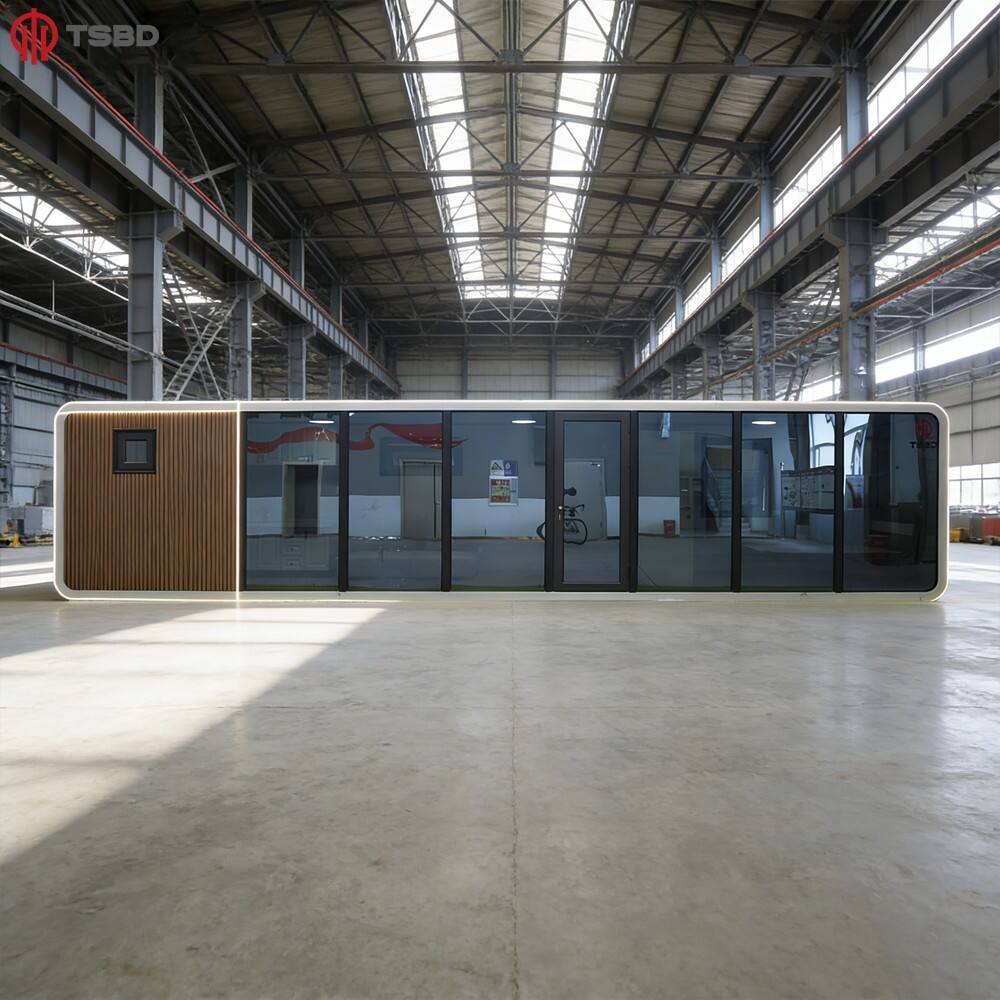
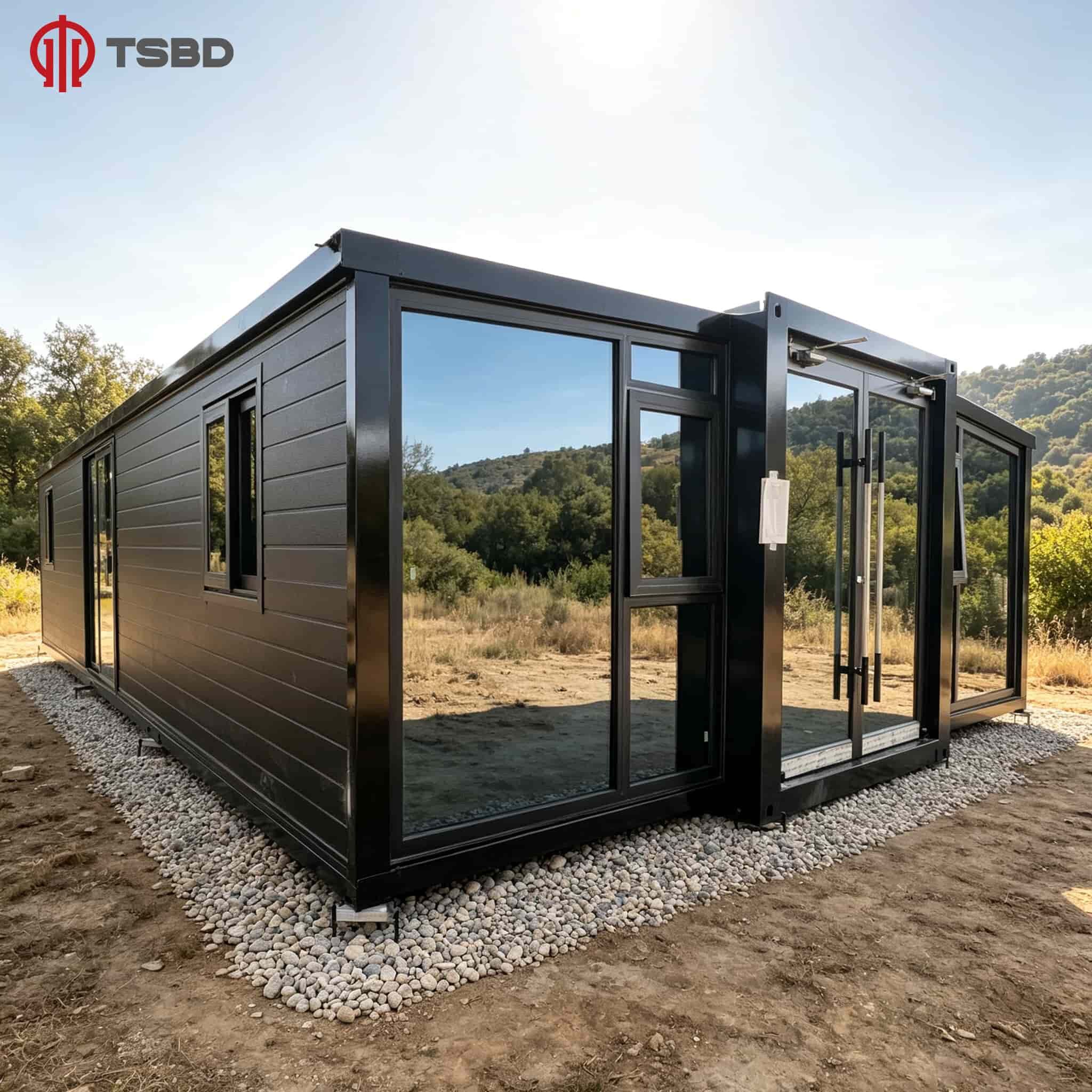
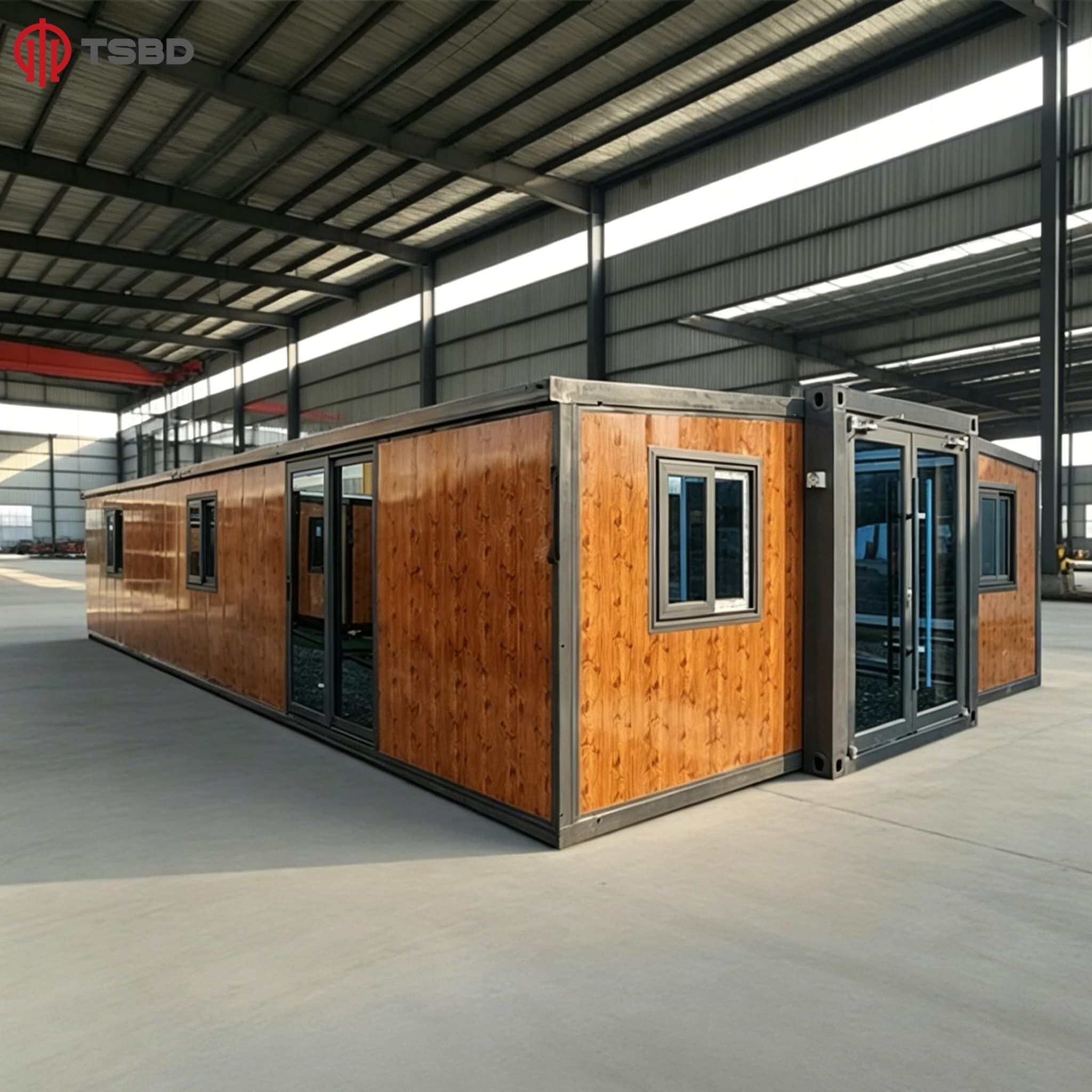
The modular house for rural areas excels in withstanding the demanding conditions characteristic of countryside locations, where structures face temperature extremes, high winds, heavy precipitation, and minimal access to repair services that urban homes never encounter. Engineering standards for modular construction actually exceed traditional building codes because these homes must survive transportation stresses before ever reaching their final locations, resulting in stronger frames, more robust connections, and enhanced structural integrity that serves rural homeowners exceptionally well throughout decades of use. Steel framing systems used in modular house for rural areas construction resist warping, rot, and pest damage that compromise wooden structures, particularly in humid climates or regions with termite populations that devastate conventional homes. The panel systems incorporate multiple layers of protection including moisture barriers, high-performance insulation, and weather-resistant exterior cladding that shield interiors from rain, snow, and wind-driven moisture that penetrates poorly constructed walls and creates mold, decay, and expensive damage over time. Rural locations often experience severe weather events including hurricanes, tornadoes, and blizzards that test building strength beyond normal design parameters, and the modular house for rural areas meets these challenges through engineered connections that tie modules together and anchor them securely to foundations, preventing the uplift and racking forces that destroy weaker structures. The controlled factory environment where these homes are built ensures that materials remain dry during construction, avoiding the moisture absorption that occurs when traditional building materials sit exposed to weather on construction sites, compromising their performance and longevity before walls even close in. Quality control inspections at multiple production stages catch defects that field supervisors might miss, guaranteeing that every modular house for rural areas meets exacting standards for weatherproofing, insulation continuity, and structural soundness. The exterior finishes applied to these homes utilize advanced coatings and materials specifically selected for their resistance to ultraviolet radiation, temperature cycling, and moisture exposure, maintaining their appearance and protective function far longer than standard paints and sidings that fade, crack, and fail prematurely. Foundation systems designed for modular house for rural areas accommodate various soil conditions and terrain challenges common in countryside locations, from rocky hillsides to expansive clay soils, ensuring stable support that prevents settling and cracking that compromise less carefully engineered structures over time.