expandable container house with ensuite
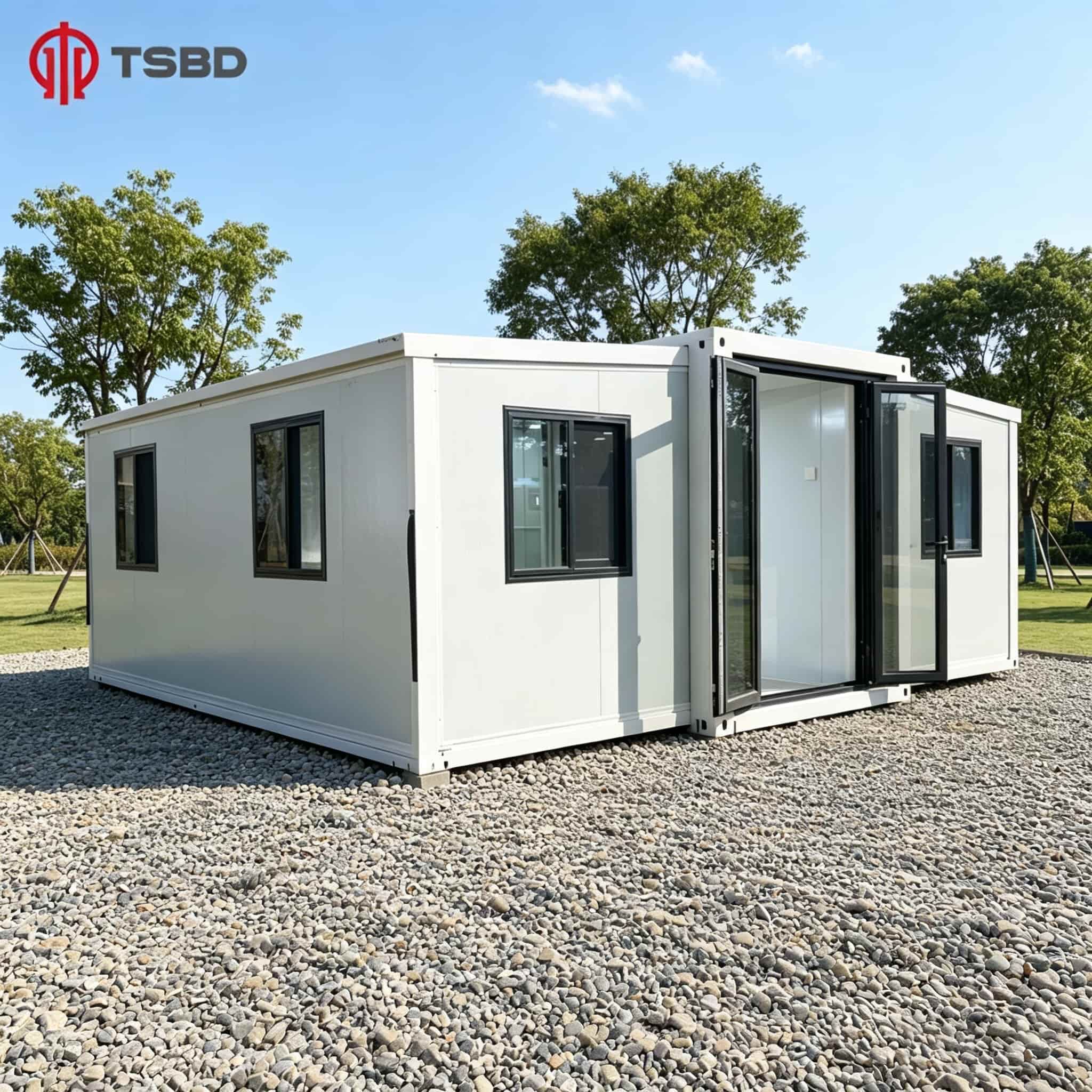
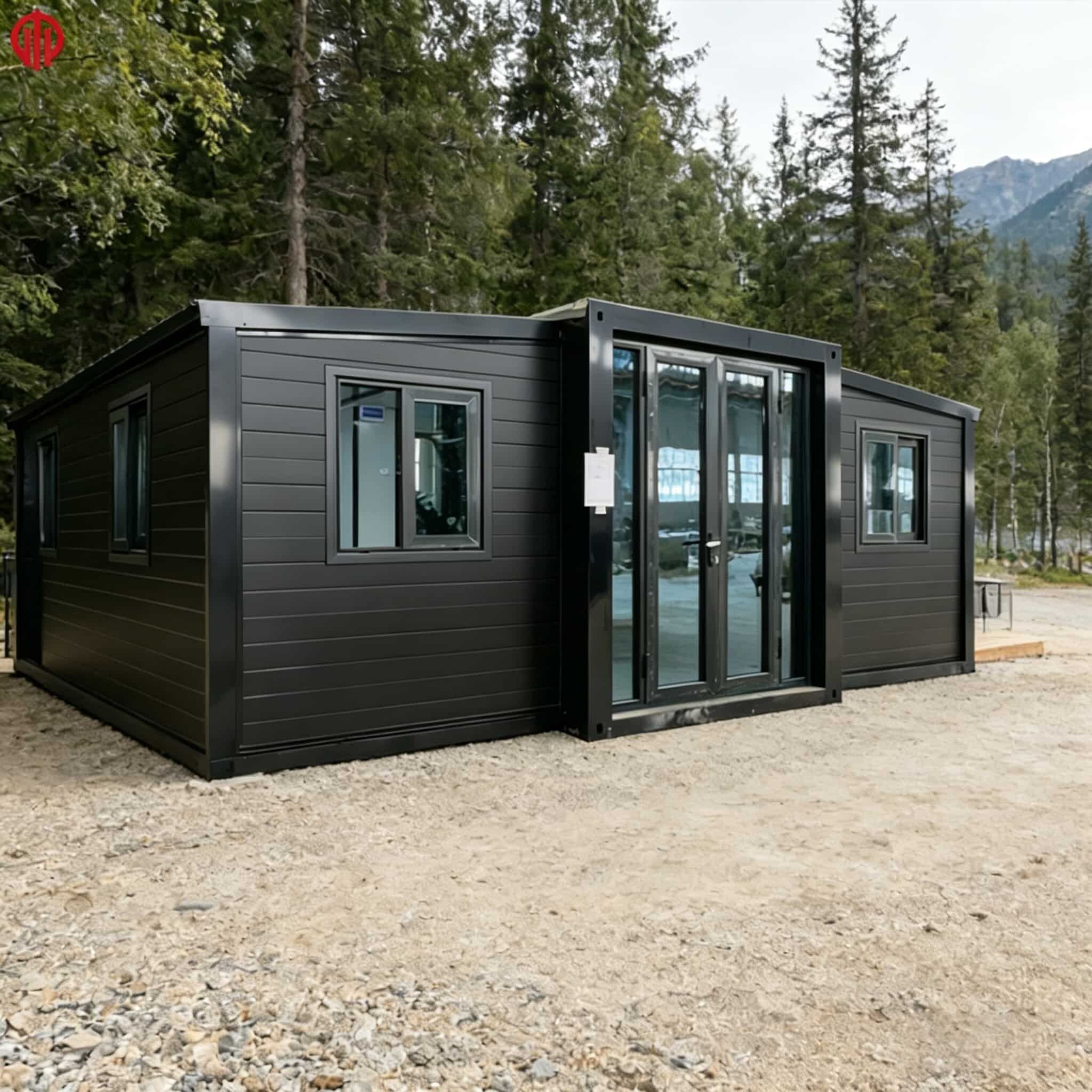
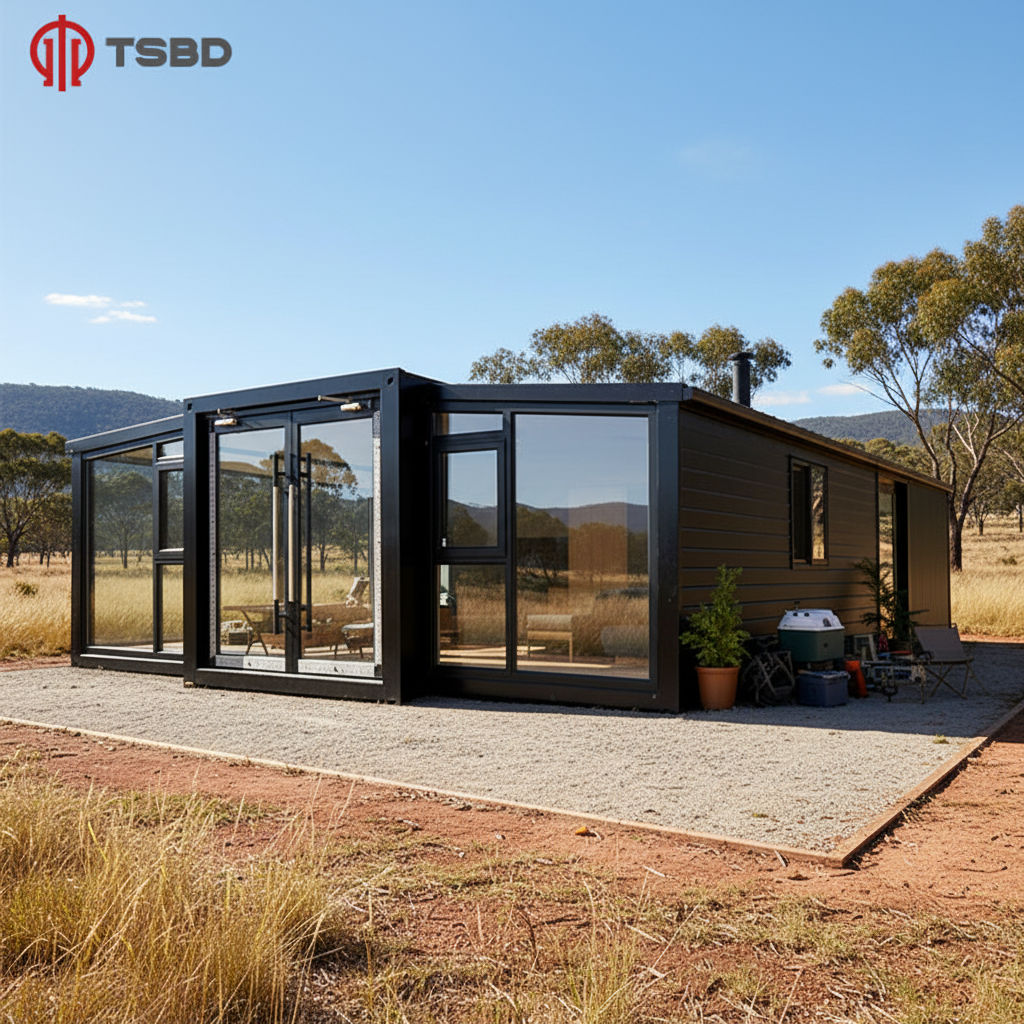
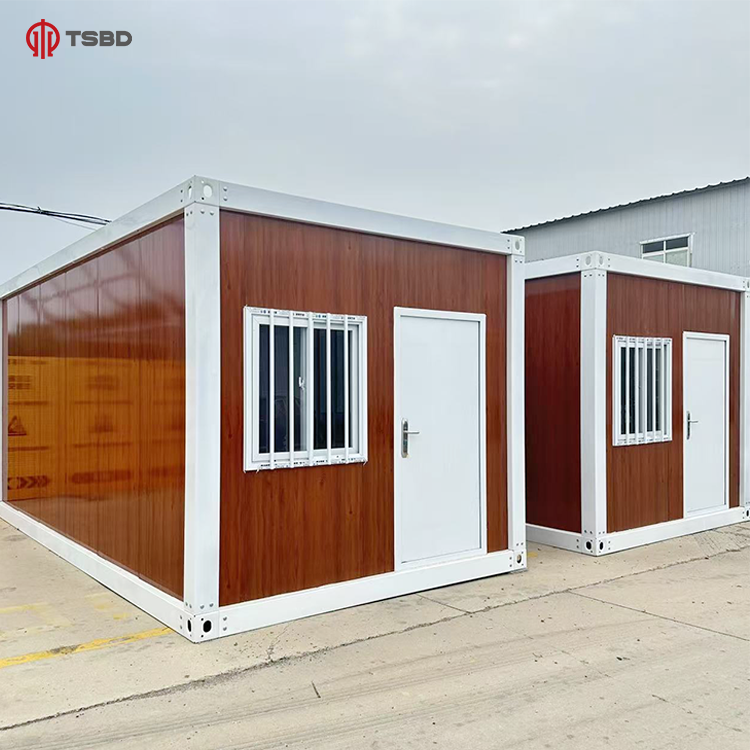
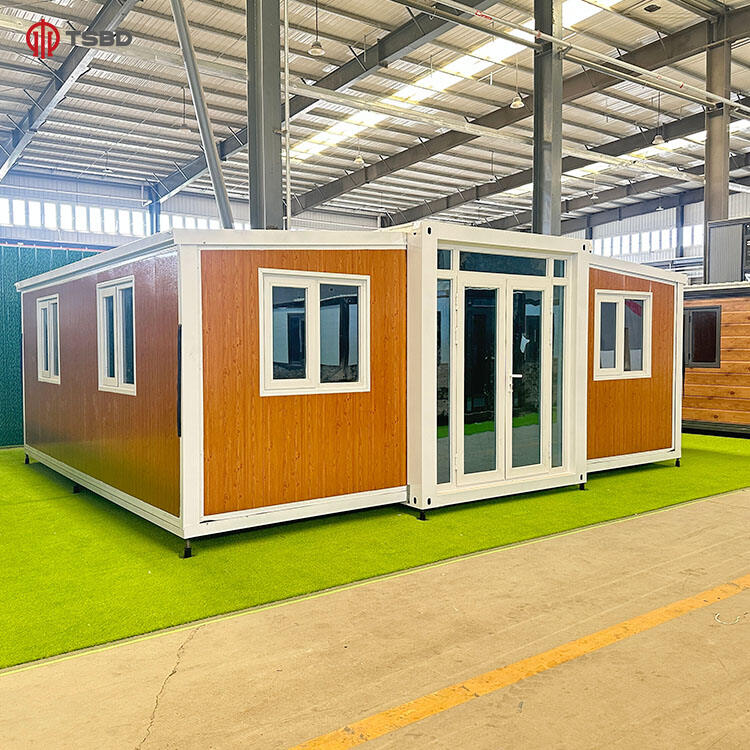
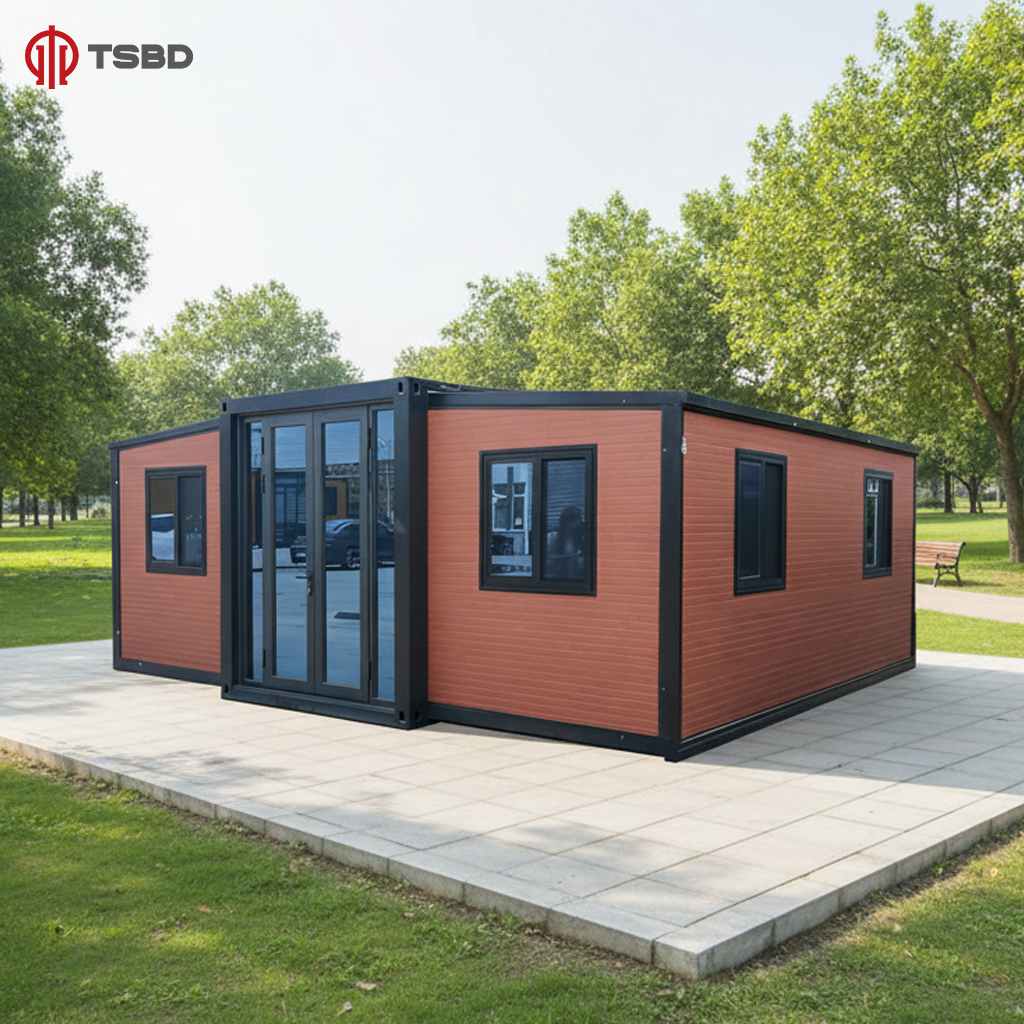
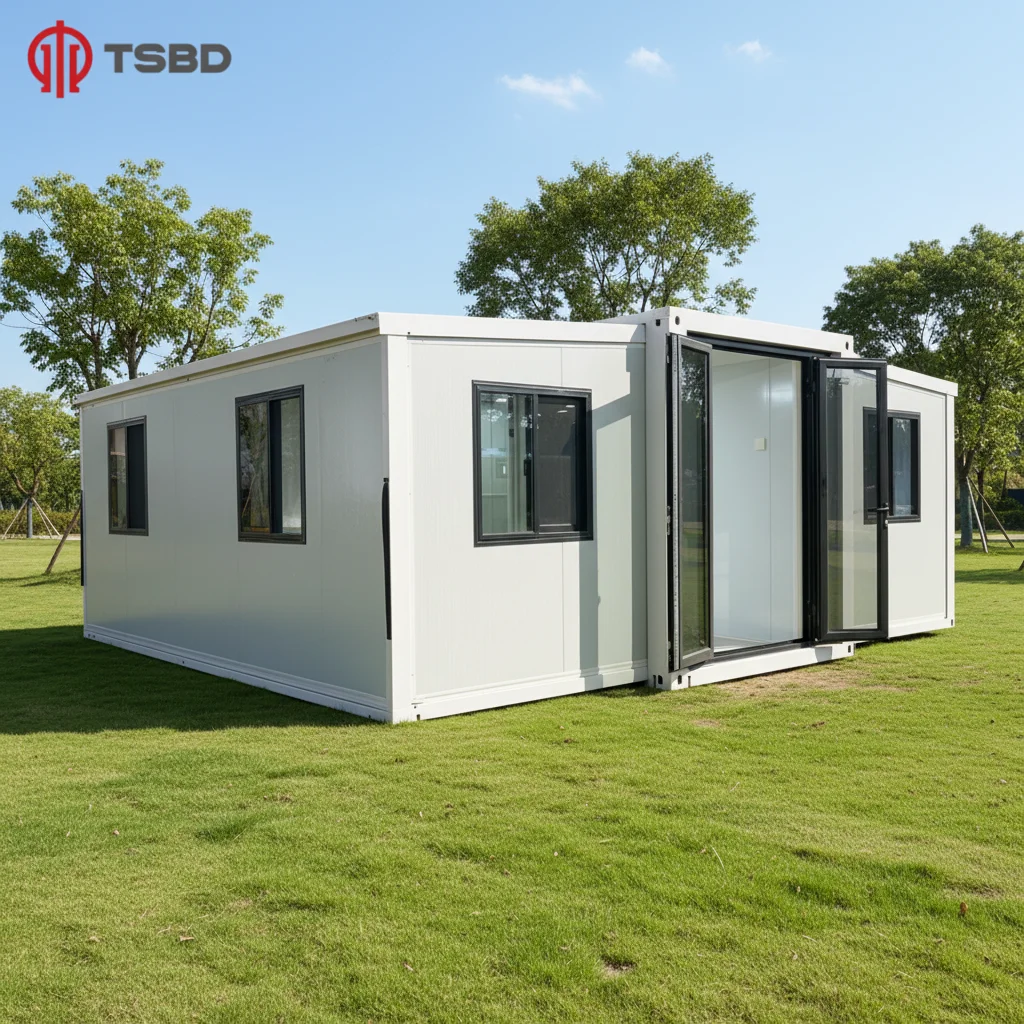
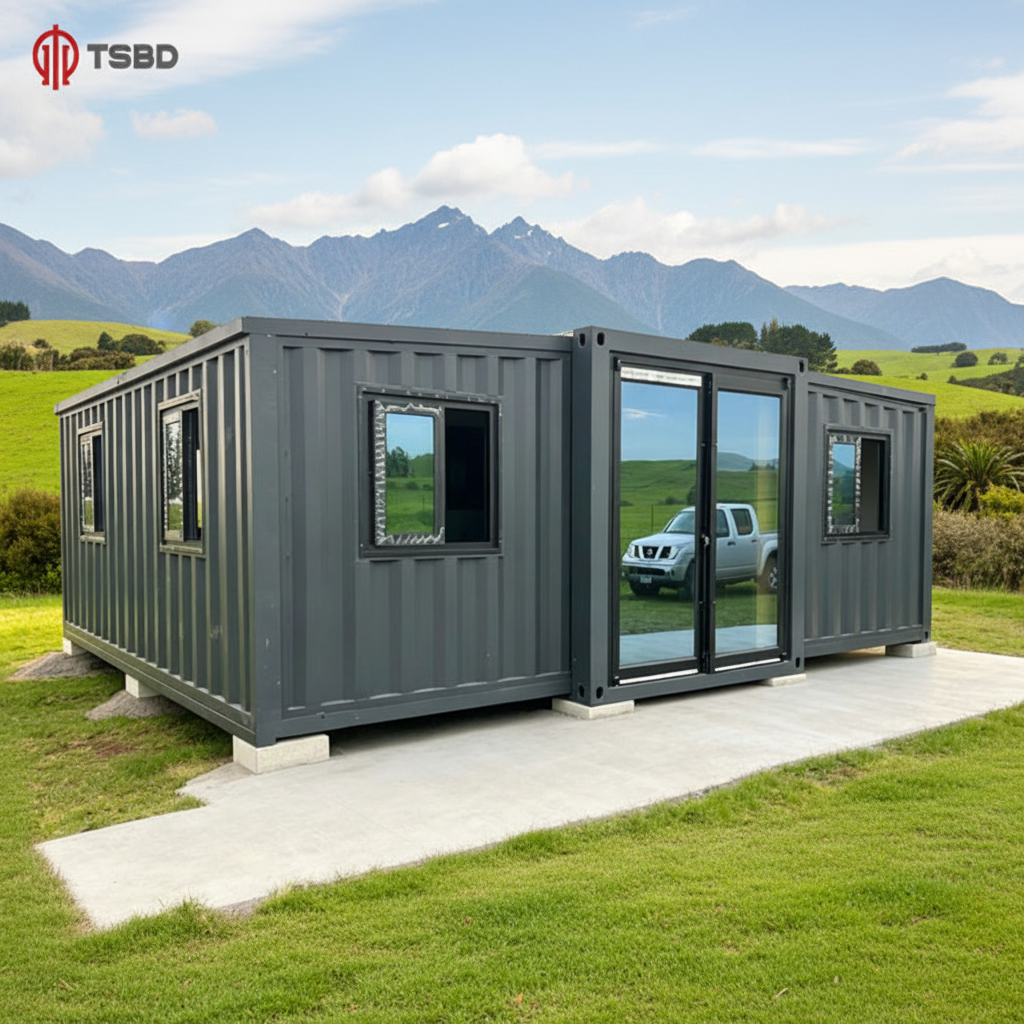
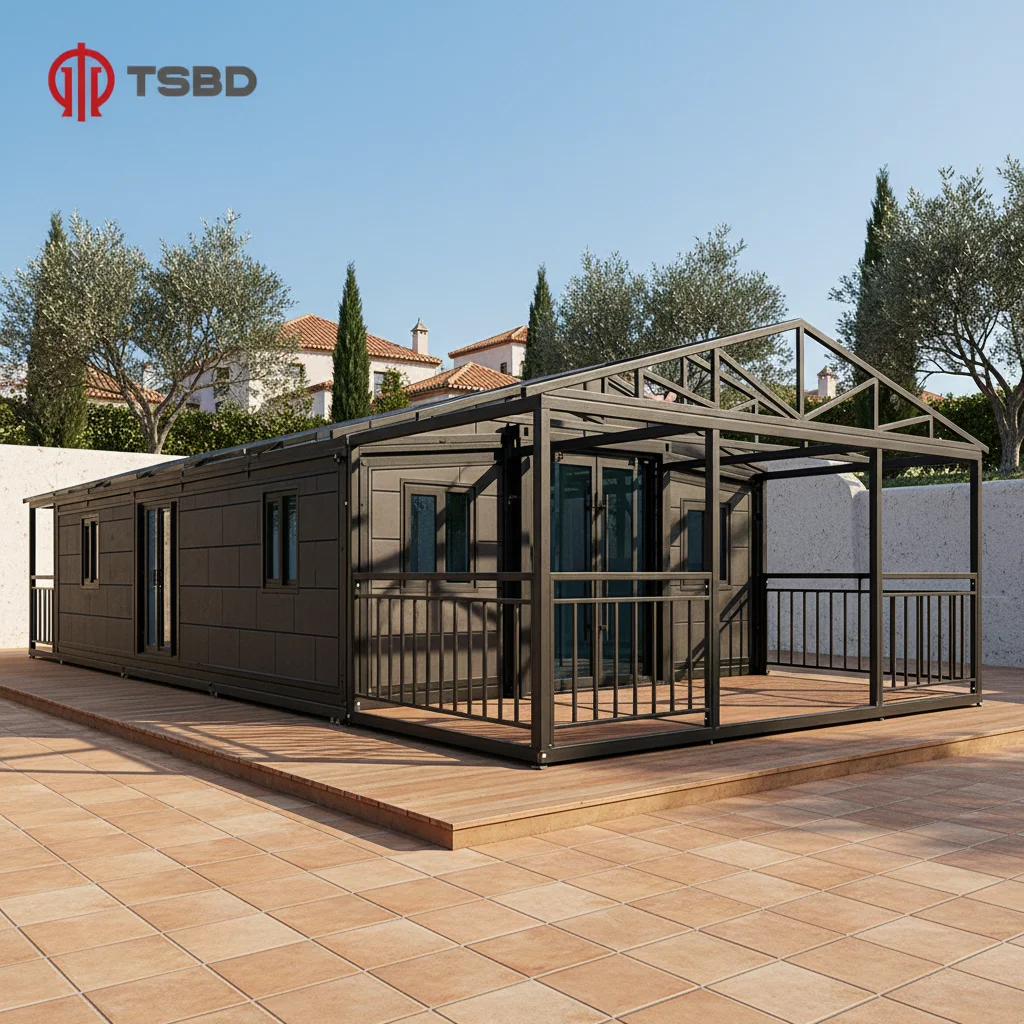
The expandable container house with ensuite represents a revolutionary advancement in modern modular housing solutions, combining innovative engineering with practical living spaces. This cutting-edge accommodation system transforms compact shipping container dimensions into spacious residential units through an intelligent expansion mechanism. The primary function centers on providing immediate, comfortable living quarters that can be deployed rapidly in diverse environments, from remote construction sites to temporary housing complexes and permanent residential communities. The expandable container house with ensuite features an integrated bathroom facility complete with toilet, shower, and sink, eliminating the need for external sanitation arrangements. The expansion technology utilizes a fold-out design that typically triples the interior floor space within minutes, operated either manually or through hydraulic systems depending on the model. Structurally engineered from reinforced steel frameworks with weather-resistant exterior panels, these units withstand extreme climatic conditions while maintaining thermal efficiency through advanced insulation materials. The technological features include pre-installed electrical wiring systems, plumbing connections ready for utility hookup, LED lighting fixtures, climate control provisions, and reinforced flooring capable of supporting standard furniture loads. Applications span multiple sectors including disaster relief housing, mining camp accommodations, temporary workforce housing, vacation retreats, backyard guest suites, affordable housing projects, and remote area dwellings. The ensuite bathroom component incorporates water-efficient fixtures, proper ventilation systems, and moisture-resistant finishes that ensure hygiene and durability. Transportation logistics are simplified as the expandable container house with ensuite maintains standard shipping container dimensions when contracted, allowing movement via conventional trucks, trains, or cargo ships. Installation requires minimal foundation preparation, often needing only leveled ground or simple pier supports, significantly reducing site development costs and environmental impact compared to traditional construction methods.