Expanding Container House - Innovative Modular Housing Solutions for Modern Living

expanding container house

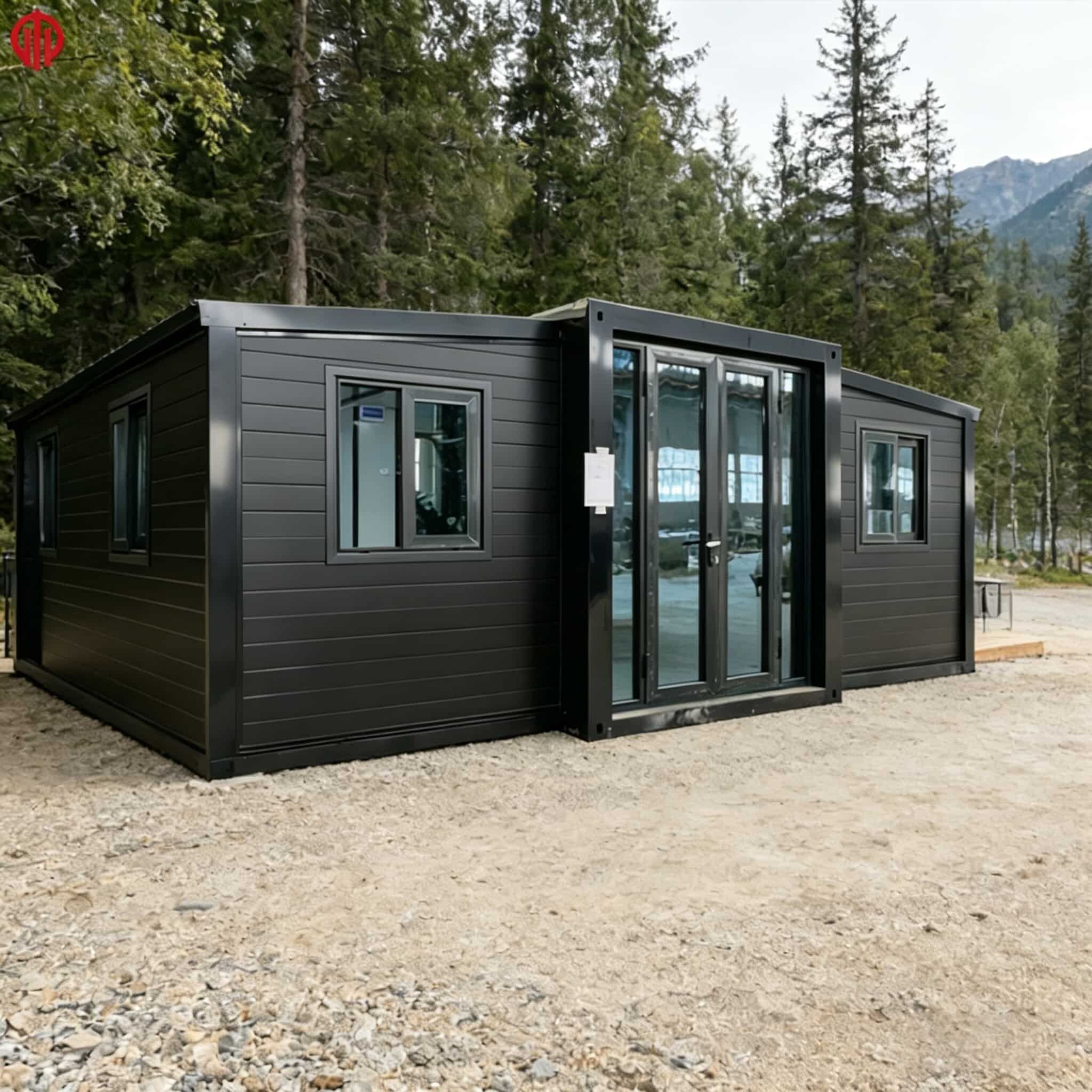
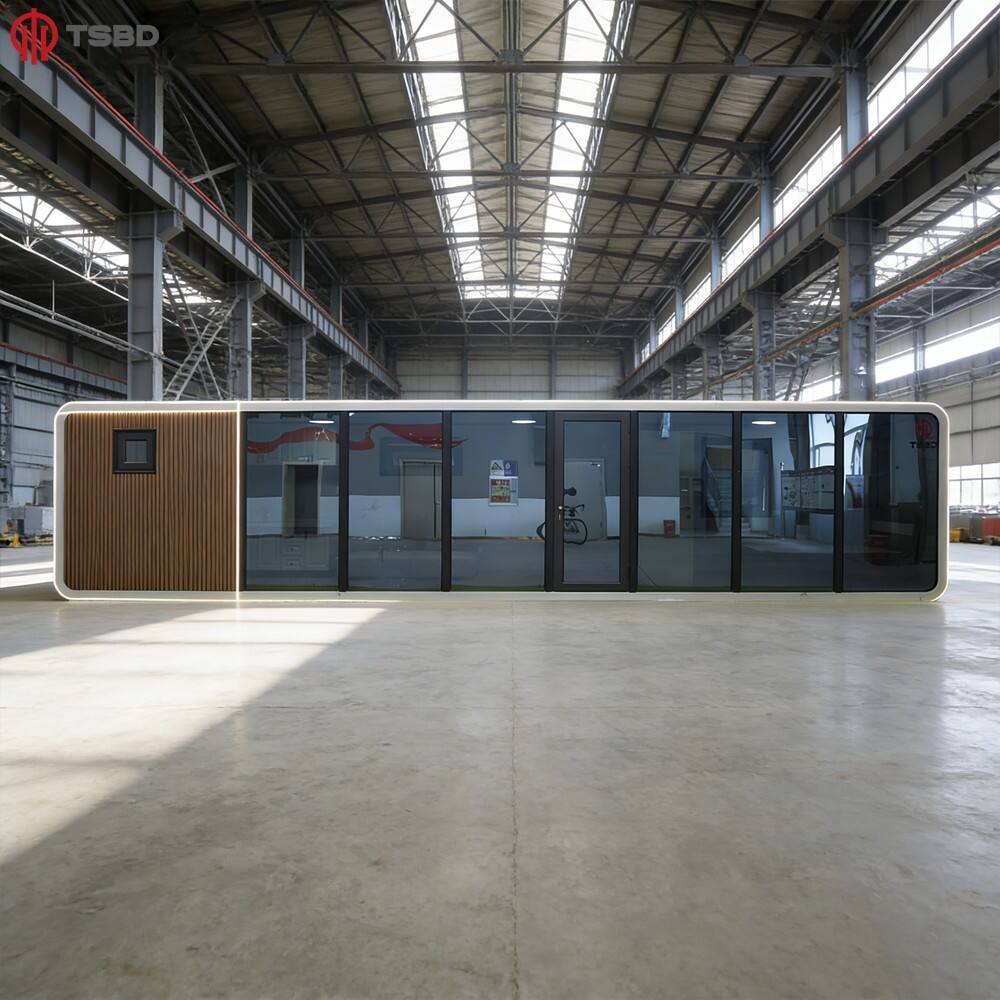
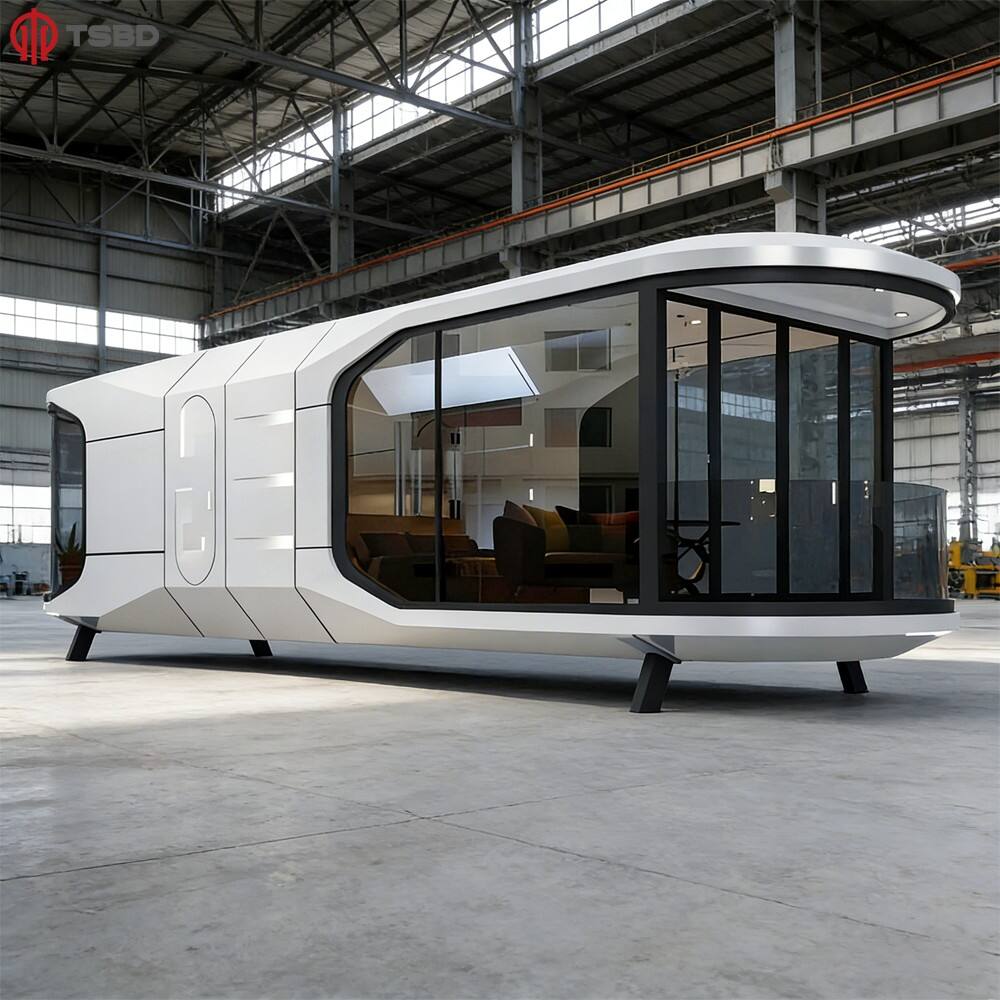
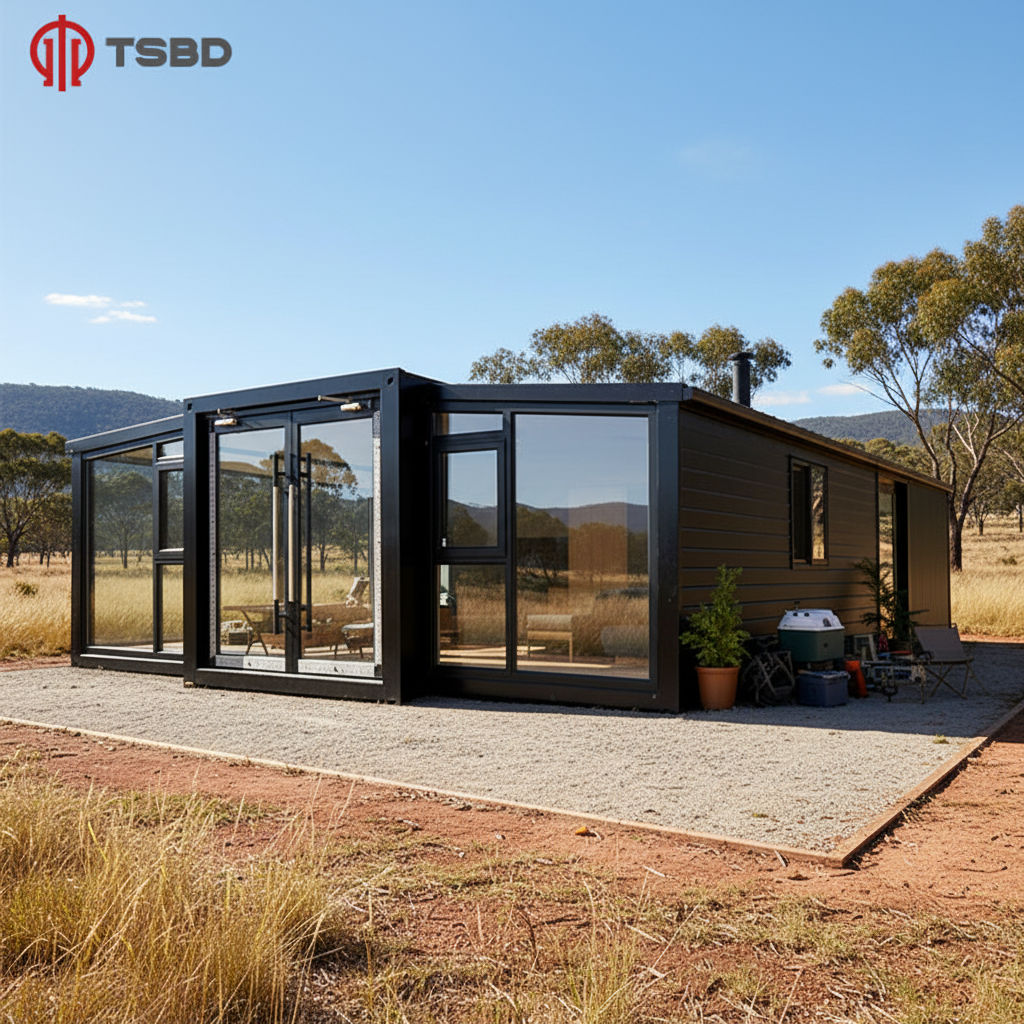
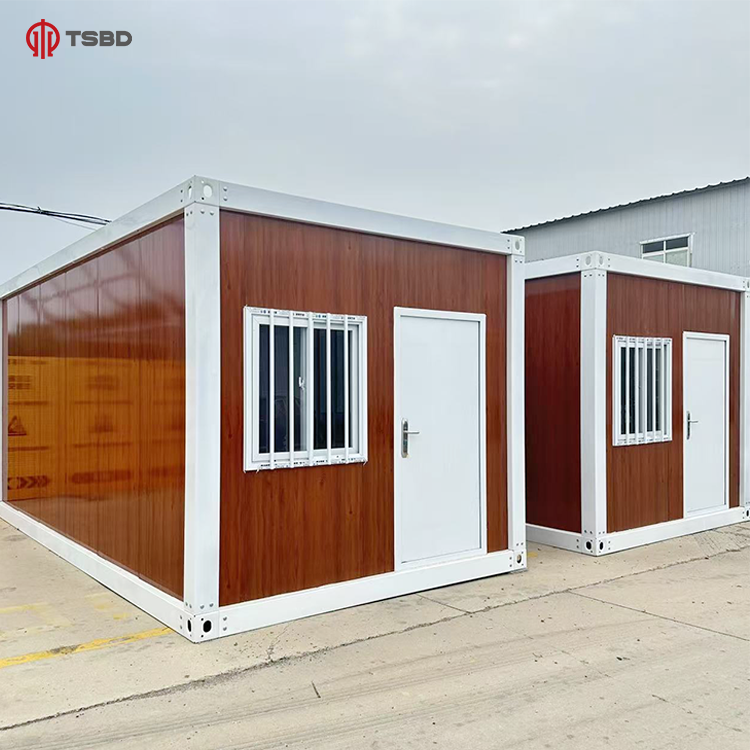
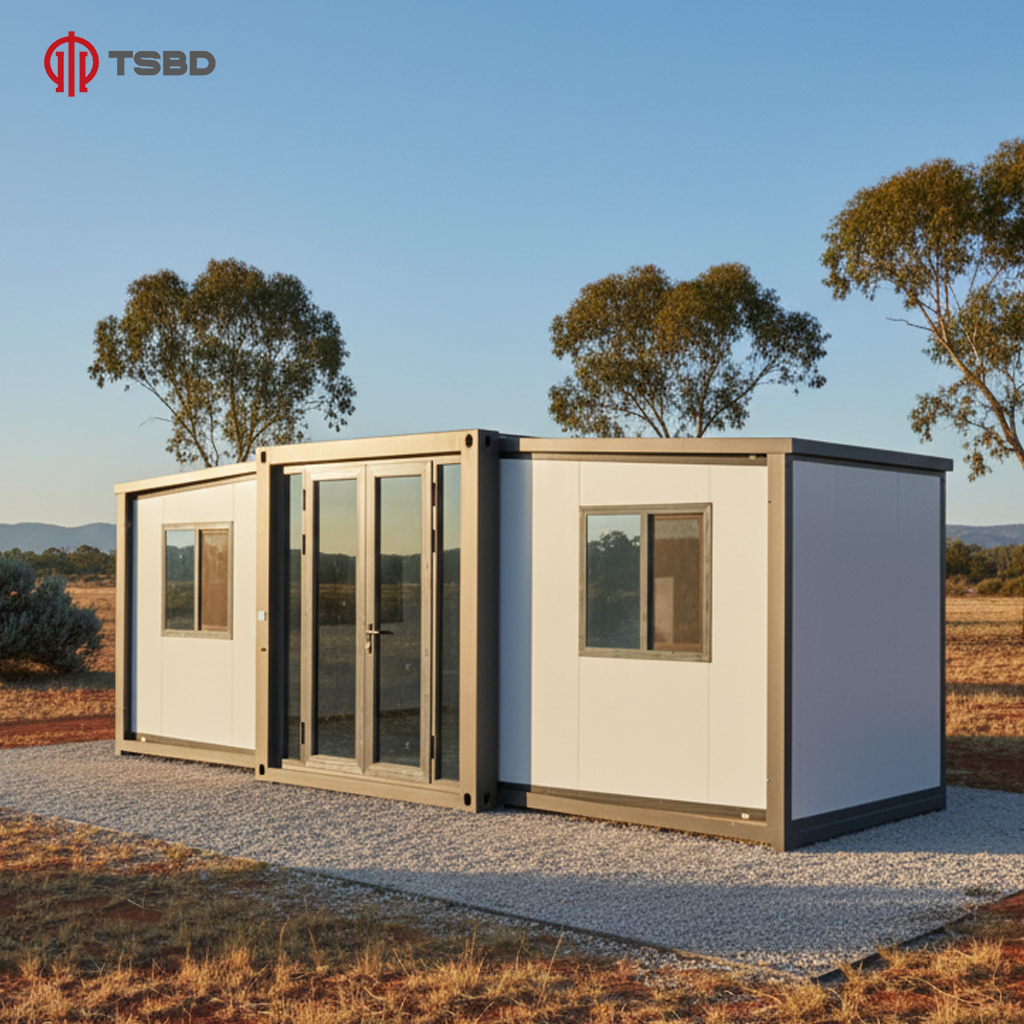
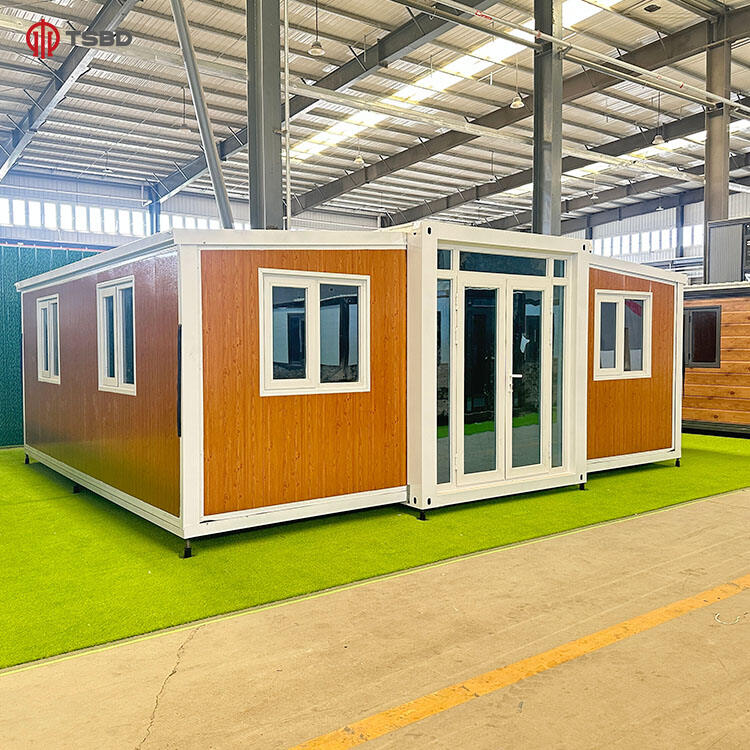
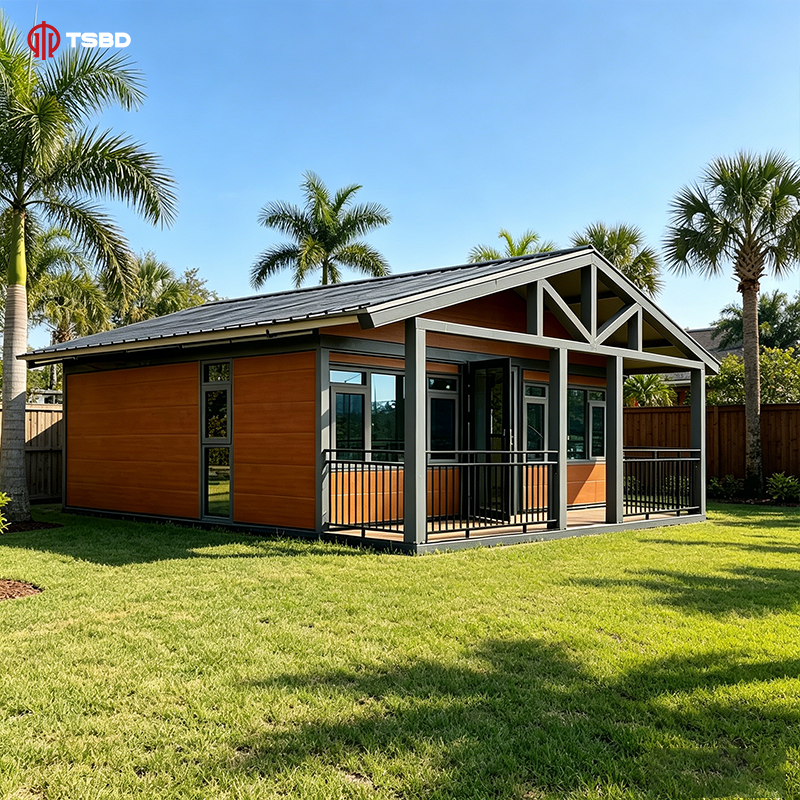
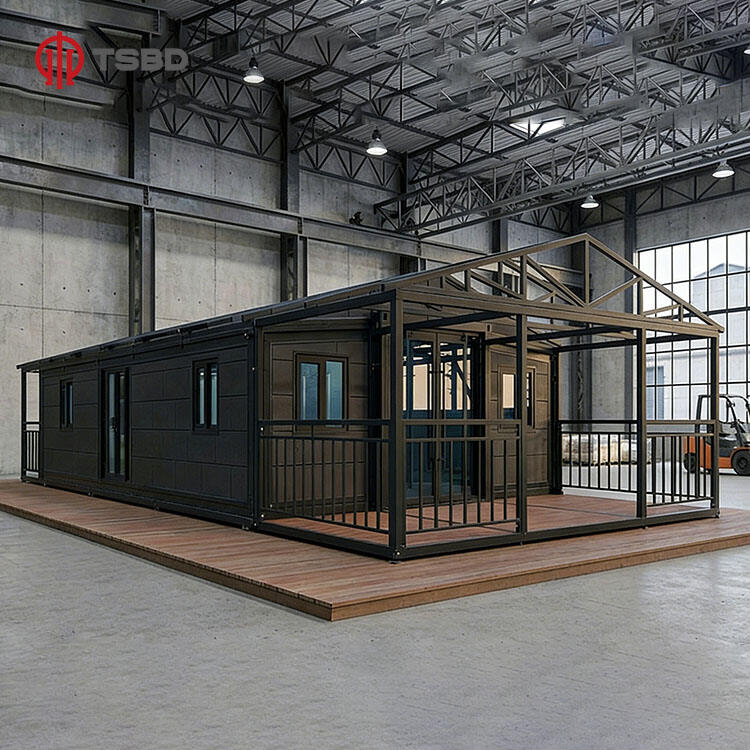
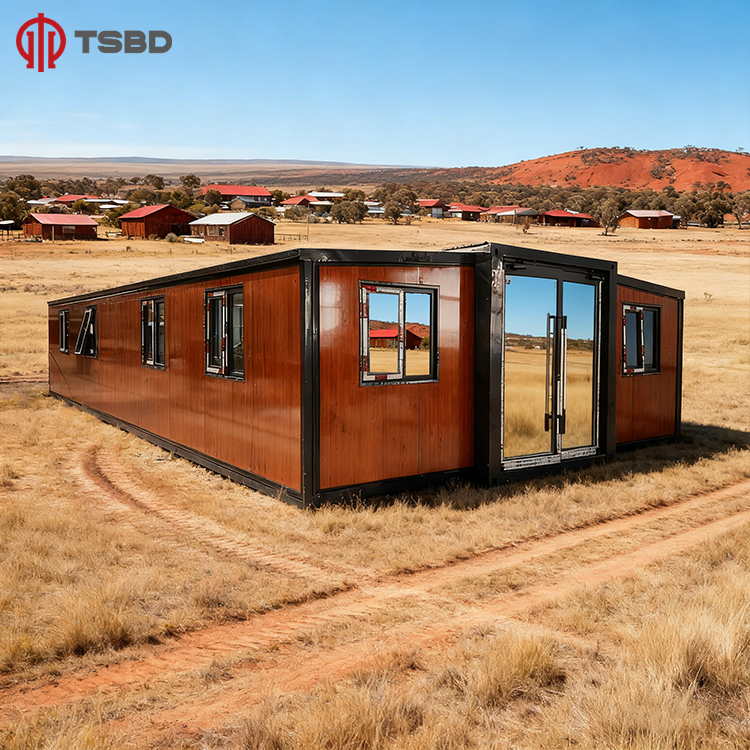
The expanding container house represents a revolutionary approach to modern housing solutions, combining innovative engineering with practical design to create versatile living spaces. This transformative structure begins as a standard shipping container but features a sophisticated folding mechanism that allows it to expand to two or three times its original size within minutes. The expanding container house utilizes hydraulic or mechanical systems to unfold additional sections, creating spacious interiors from compact transported units. These structures are manufactured using high-grade steel frames and durable materials that withstand various weather conditions while maintaining structural integrity. The main functions include providing immediate shelter for residential purposes, temporary accommodations, emergency housing, office spaces, and commercial applications. Technological features incorporate intelligent design elements such as pre-installed electrical systems, plumbing infrastructure, insulation panels, and climate control capabilities. The modular nature allows for customization according to specific requirements, with options for windows, doors, partitions, and interior finishes. Transportation efficiency stands as a core advantage, as multiple units can be stacked and shipped to remote locations before expansion. The expanding container house installation process requires minimal foundation work, often needing only a level surface or simple concrete pads. Assembly typically involves a small crew and basic equipment, eliminating the need for specialized construction teams. Applications span diverse sectors including disaster relief operations, construction site accommodations, military deployments, tourism facilities, affordable housing projects, and remote work stations. The structural design meets international building codes and safety standards, ensuring occupant protection and longevity. Environmental considerations are integrated through recyclable materials and energy-efficient features that reduce carbon footprints compared to traditional construction methods.

New Product Releases

The expanding container house delivers remarkable cost savings compared to conventional building methods, making homeownership and commercial space acquisition accessible to broader audiences. Construction expenses decrease significantly because manufacturing occurs in controlled factory environments where efficiency and quality control reduce waste and labor costs. Transportation costs remain minimal since collapsed units occupy less space during shipping, allowing multiple houses to be transported simultaneously on standard trucks or shipping vessels. Time efficiency becomes a crucial benefit as an expanding container house can be fully deployed and ready for occupancy within hours rather than the months required for traditional construction. This rapid deployment proves invaluable during emergency situations where immediate shelter is necessary, such as natural disaster relief efforts or urgent housing needs. The durability of steel construction ensures these structures withstand harsh environmental conditions including strong winds, heavy snow loads, and seismic activities better than many traditional buildings. Maintenance requirements are substantially lower due to the robust materials and simplified construction, translating to long-term savings for owners. Flexibility in design allows customers to configure interior layouts according to their specific needs, whether creating open-plan living areas, separate bedrooms, office spaces, or specialized commercial environments. The expanding container house can be easily relocated when circumstances change, providing mobility that permanent structures cannot offer, making them ideal for temporary projects or changing business needs. Energy efficiency is enhanced through modern insulation materials that regulate interior temperatures, reducing heating and cooling costs throughout the year. Water resistance and pest control are superior to wooden structures, eliminating common problems like termite damage or rot that plague traditional homes. The modular design enables future expansion by connecting multiple units, allowing owners to increase space as families grow or business operations expand. Environmental benefits include reduced construction waste, the repurposing of shipping containers that might otherwise be discarded, and smaller ecological footprints during both manufacturing and operation. Security features inherent in steel construction provide better protection against break-ins and unauthorized access compared to conventional building materials. The expanding container house offers excellent return on investment for commercial applications like rental properties, hospitality ventures, or retail spaces due to lower initial costs and faster revenue generation timelines.

Tips And Tricks

What factors influence the cost of a mobile home for large-scale projects?

14

May

What factors influence the cost of a mobile home for large-scale projects?

When planning large-scale construction projects that require temporary or semi-permanent housing solutions, understanding the cost structure of a mobile home becomes essential for accurate budgeting and project feasibility analysis. The investment in...
View More
What factors influence the cost and value of a tiny home today?

14

May

What factors influence the cost and value of a tiny home today?

Understanding what drives the cost and value of a tiny home has become essential for buyers, investors, and housing enthusiasts navigating today's evolving residential landscape. The tiny home movement continues to gain momentum as more people seek a...
View More
Why portable house is suitable for temporary and long-term use cases?

14

May

Why portable house is suitable for temporary and long-term use cases?

The modern construction landscape has witnessed a remarkable shift toward adaptable housing solutions that address both immediate shelter needs and sustained residential requirements. A portable house represents a versatile architectural innovation d...
View More
How portable house solutions support flexible living and working environments?

14

May

How portable house solutions support flexible living and working environments?

The modern world demands adaptability in how we live and work, and portable house solutions have emerged as a transformative response to this need. As remote work becomes standard practice, professionals seek environments that combine comfort with mo...
View More

Get a Free Quote

Our representative will contact you soon.
Email
Name
Company Name
Message
0/1000

expanding container house

Revolutionary Space Expansion Technology

Revolutionary Space Expansion Technology

The expanding container house incorporates cutting-edge expansion technology that fundamentally changes how we think about portable and modular buildings. At the heart of this innovation lies a sophisticated mechanical system that transforms a compact shipping container into a spacious living or working environment within mere minutes. The expansion mechanism operates through either hydraulic cylinders or mechanical linkages that smoothly unfold pre-assembled wall sections, roof panels, and floor extensions with remarkable precision. This technology eliminates the complexity traditionally associated with modular construction, where multiple components must be assembled piece by piece on site. Instead, the expanding container house arrives as a complete unit with all interior fixtures, wiring, plumbing, and finishes already installed and ready for use. The engineering behind this expansion system has been refined through extensive testing to ensure reliability across thousands of deployment cycles, guaranteeing that the structure maintains its integrity regardless of how many times it is expanded and collapsed. Safety mechanisms are integrated throughout the system, including automatic locking points that secure the expanded sections firmly in place, preventing any movement or instability during occupancy. The expansion process requires minimal human intervention, often controllable through simple switches or even remote operation, making it accessible for users without technical expertise. When expanded, the structure reveals carefully designed living spaces that maximize every square foot, with standard configurations providing between 350 to 600 square feet of usable interior area depending on the model. The walls that unfold during expansion are not merely extensions but fully finished surfaces complete with insulation, interior paneling, electrical outlets, and mounting points for fixtures or furniture. This comprehensive approach means that once the expanding container house is positioned and expanded, occupants can immediately move in without waiting for additional construction or finishing work. The technology also addresses thermal efficiency, with expansion joints designed to minimize heat loss and air infiltration, maintaining comfortable interior climates regardless of external weather conditions.
Versatile Applications Across Multiple Industries

Versatile Applications Across Multiple Industries

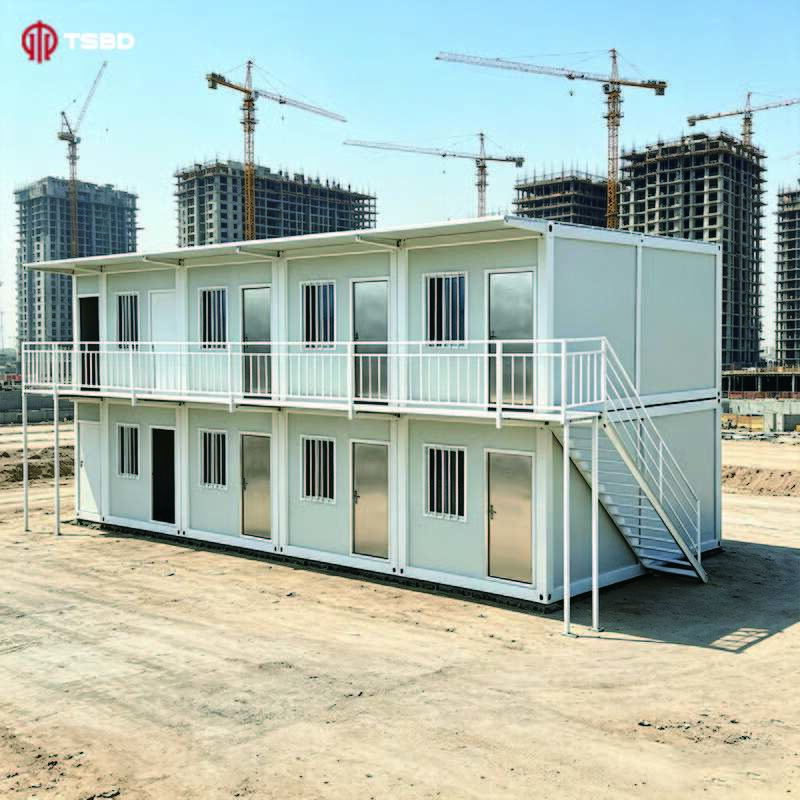
The expanding container house demonstrates exceptional versatility, serving diverse needs across residential, commercial, industrial, and emergency response sectors with equal effectiveness. In the residential market, these structures provide affordable housing solutions for individuals and families seeking to enter the property market without incurring massive debt or lengthy construction timelines. Young professionals, retirees downsizing their living arrangements, and those embracing minimalist lifestyles find the expanding container house perfectly suited to their needs, offering comfortable living spaces with all essential amenities at a fraction of traditional housing costs. The commercial sector has embraced these structures for temporary and permanent business operations, including retail pop-up shops, construction site offices, security stations, ticket booths, and sales centers. Tourism and hospitality businesses utilize the expanding container house to create unique accommodation experiences, from eco-resorts in remote natural settings to urban glamping facilities that attract travelers seeking distinctive lodging options. Educational institutions deploy these units as temporary classrooms during facility renovations or to accommodate enrollment growth without permanent construction commitments. Healthcare providers use them for mobile clinics, testing centers, or temporary patient care facilities in underserved areas or during public health emergencies. The mining and oil industries rely on the expanding container house to provide comfortable worker accommodations at remote extraction sites where traditional construction is impractical or impossible. Military and government agencies utilize these structures for rapid deployment housing, command centers, and operational bases in various domestic and international locations. Disaster relief organizations consider the expanding container house an essential tool for providing immediate shelter following earthquakes, hurricanes, floods, or other catastrophic events when conventional housing infrastructure has been destroyed. Agricultural operations employ these units as seasonal worker housing during harvest periods or as on-site management offices for large farming operations. The entertainment industry uses them as dressing rooms, equipment storage, and production offices for film shoots, concerts, and special events. Research teams working in remote environments, from Arctic stations to desert studies, depend on the expanding container house for safe, comfortable base camps that can be established quickly and relocated as project needs change. This remarkable versatility stems from the fundamental design philosophy that prioritizes adaptability, allowing each unit to be customized and repurposed for virtually any application requiring enclosed, climate-controlled space.

Sustainable and Environmentally Responsible Construction

Sustainable and Environmentally Responsible Construction

The expanding container house represents a significant advancement in sustainable building practices, addressing growing environmental concerns while delivering practical housing and workspace solutions. Environmental responsibility begins with the repurposing of shipping containers that have completed their commercial transportation lifecycle, giving new purpose to steel structures that might otherwise be scrapped or abandoned. This recycling approach conserves the substantial energy and resources that would be required to manufacture building materials from raw inputs, significantly reducing the overall carbon footprint associated with construction. The manufacturing process for the expanding container house occurs in controlled factory settings where material waste is minimized through precise cutting, efficient production workflows, and comprehensive recycling programs for scrap materials. Traditional construction sites generate enormous amounts of waste, with estimates suggesting that building projects discard up to thirty percent of materials purchased, whereas factory production of the expanding container house reduces waste to less than five percent. Energy efficiency is engineered into every aspect of these structures, with high-quality insulation materials integrated into walls, floors, and ceilings that maintain interior temperatures with minimal heating or cooling input. Many units come equipped with provisions for solar panel installation, enabling owners to generate renewable energy and achieve off-grid capability in suitable locations. Water conservation features can be incorporated, including rainwater collection systems, greywater recycling, and low-flow fixtures that reduce consumption without sacrificing comfort or functionality. The durability of the expanding container house contributes to sustainability by creating structures that last decades rather than requiring replacement after short service lives like some conventional buildings. When properly maintained, these steel-framed units can remain functional for fifty years or more, spreading their environmental impact across extended timeframes. The ability to relocate these structures adds another sustainability dimension, as they need not be demolished when a particular location no longer requires them, instead being moved to new sites where they continue providing value. Land disturbance is minimized because the expanding container house requires only simple foundations rather than extensive excavation and concrete work that disrupts soil and local ecosystems. The compact footprint during transportation means fuel consumption for delivery is substantially lower than hauling equivalent traditional building materials to construction sites. At end of life, the steel components of the expanding container house retain significant value and can be completely recycled, ensuring that materials return to productive use rather than occupying landfill space. This comprehensive approach to environmental stewardship makes the expanding container house an attractive option for environmentally conscious individuals, organizations committed to reducing their ecological impact, and communities pursuing sustainable development goals.

Get a Free Quote

Our representative will contact you soon.
Email
Name
Company Name
Message
0/1000

Copyright © 2026 Tangshan Waiyang Supply Chain Management Co., Ltd. Beijing All rights reserved.  -  Privacy policy