Expandable Shipping Container House: Affordable Modern Living Solutions with Rapid Deployment

expandable shipping container house

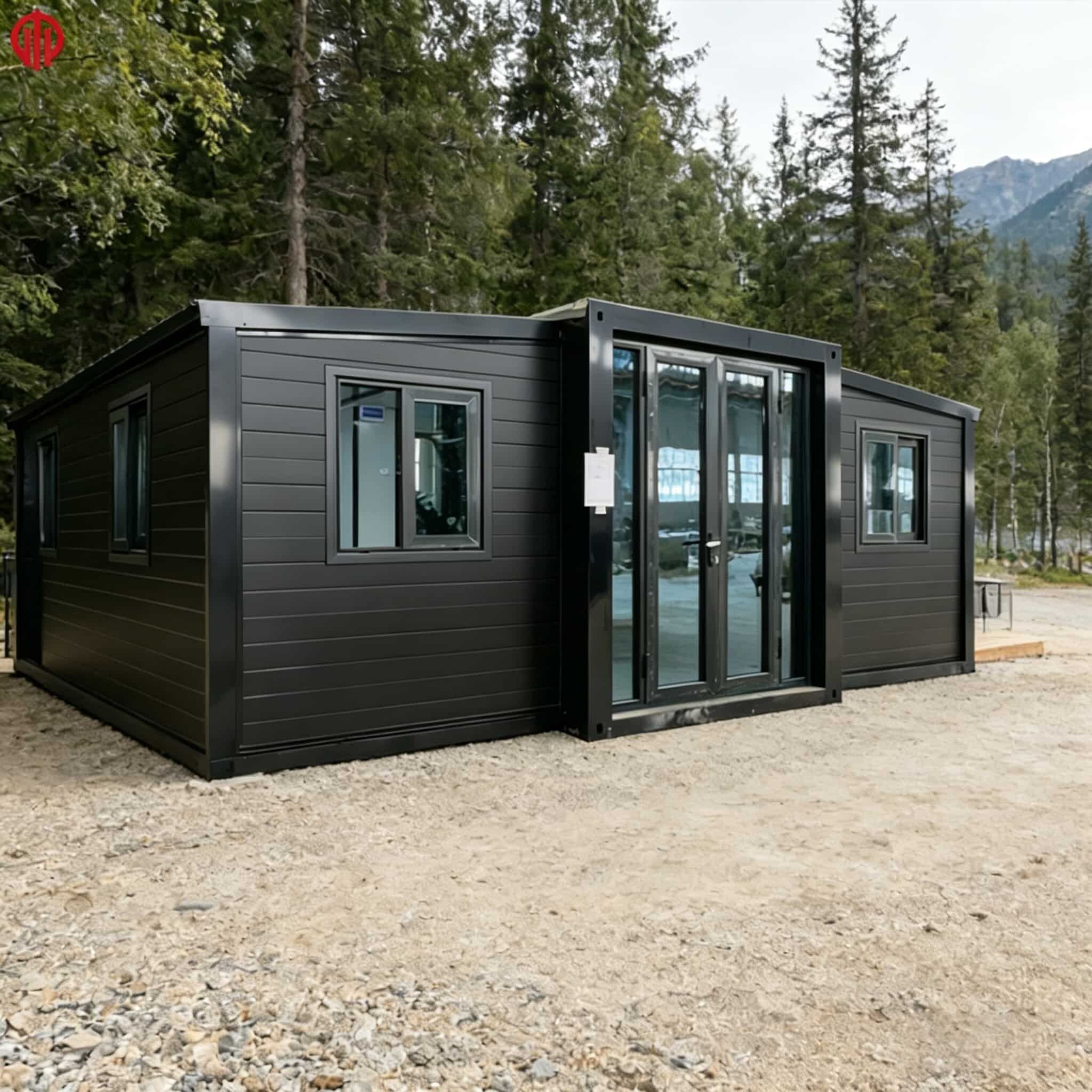
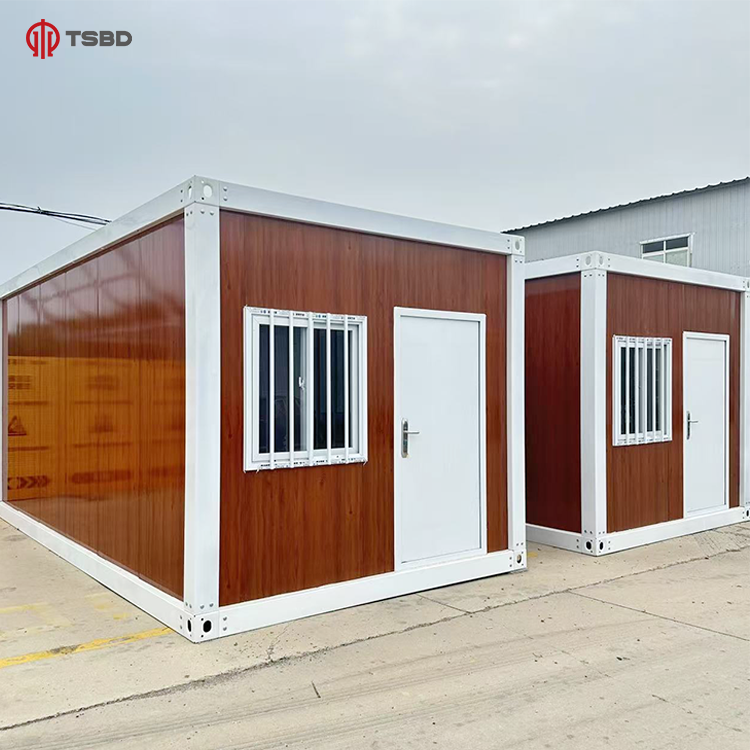
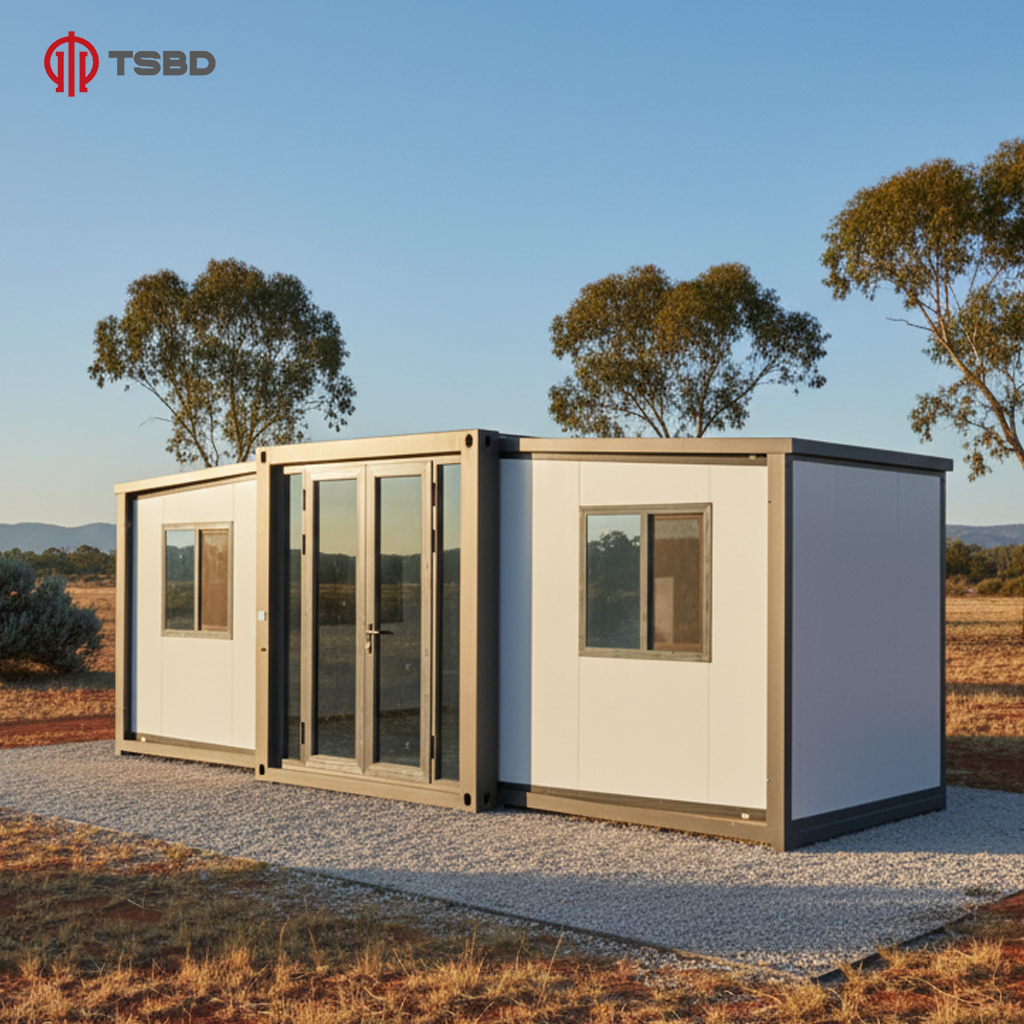
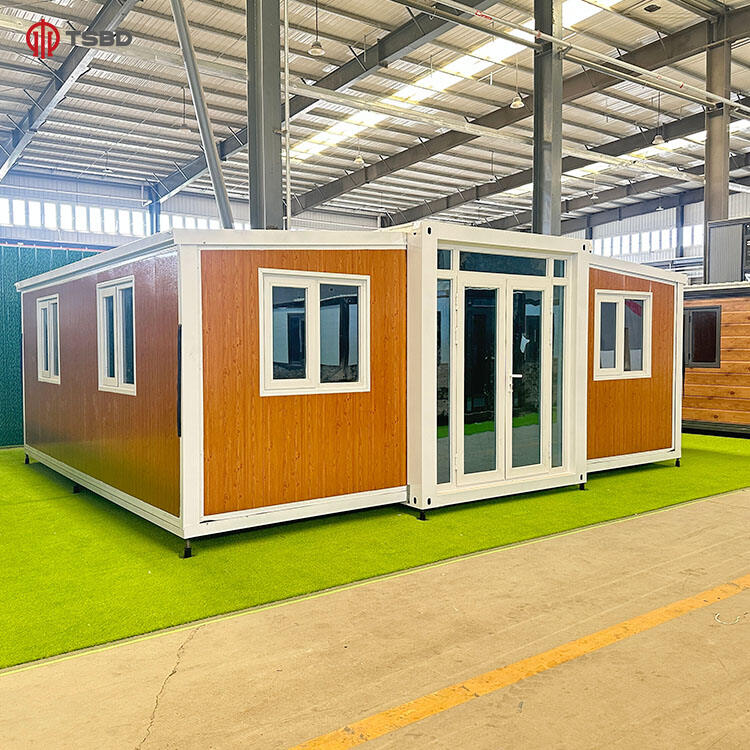
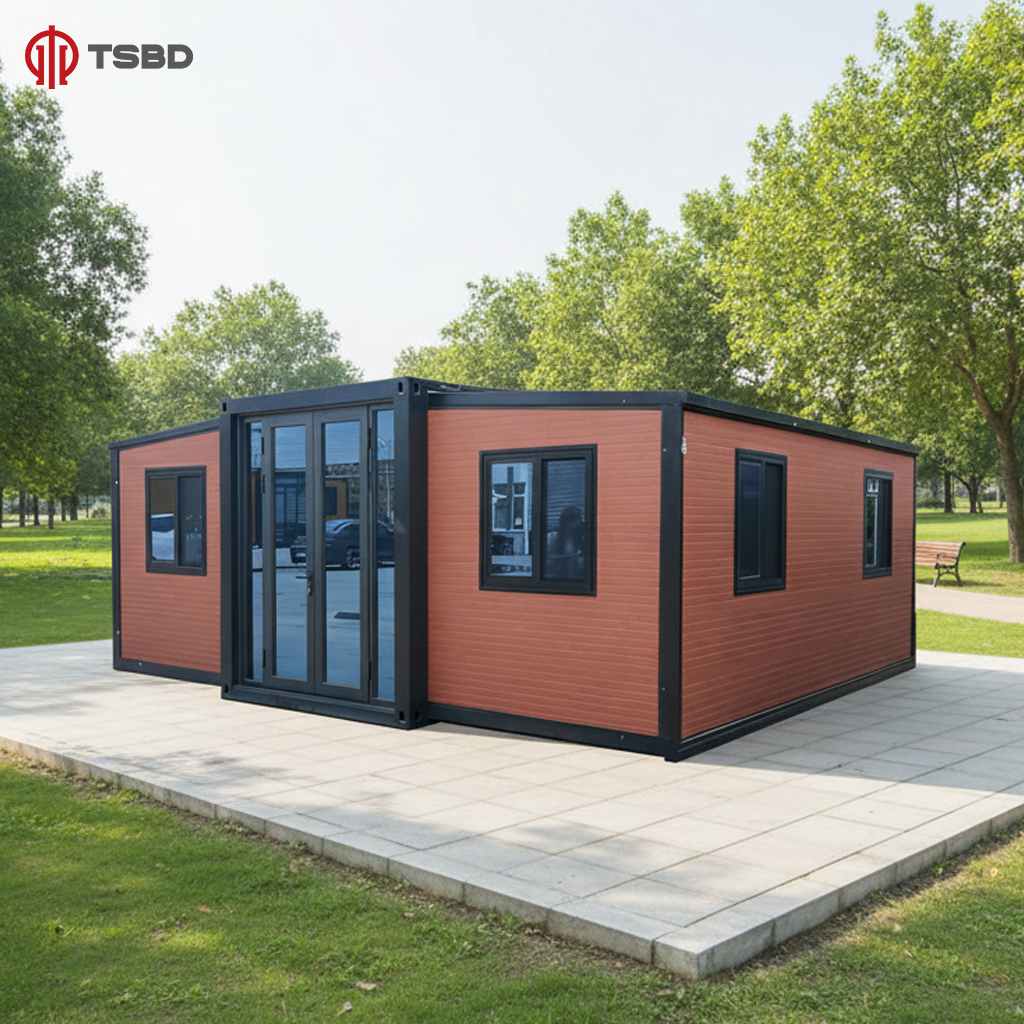
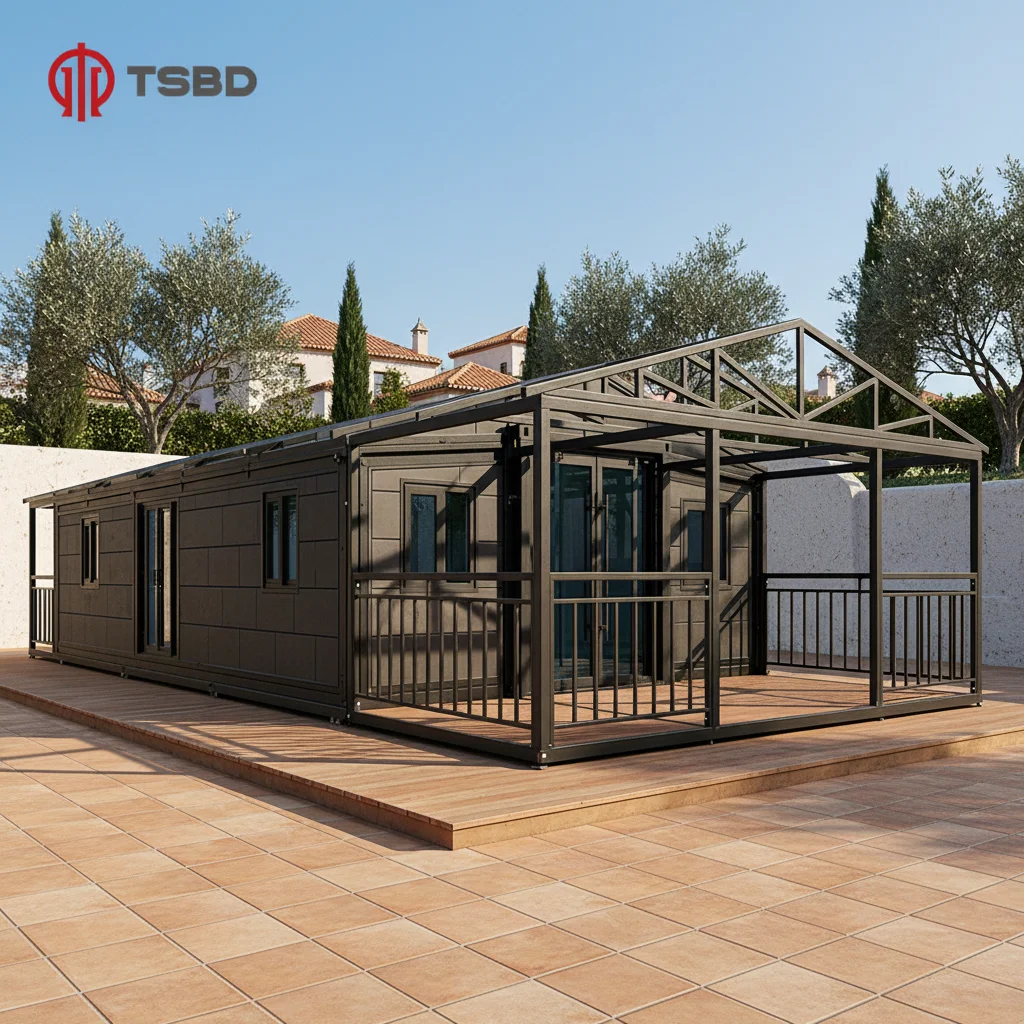
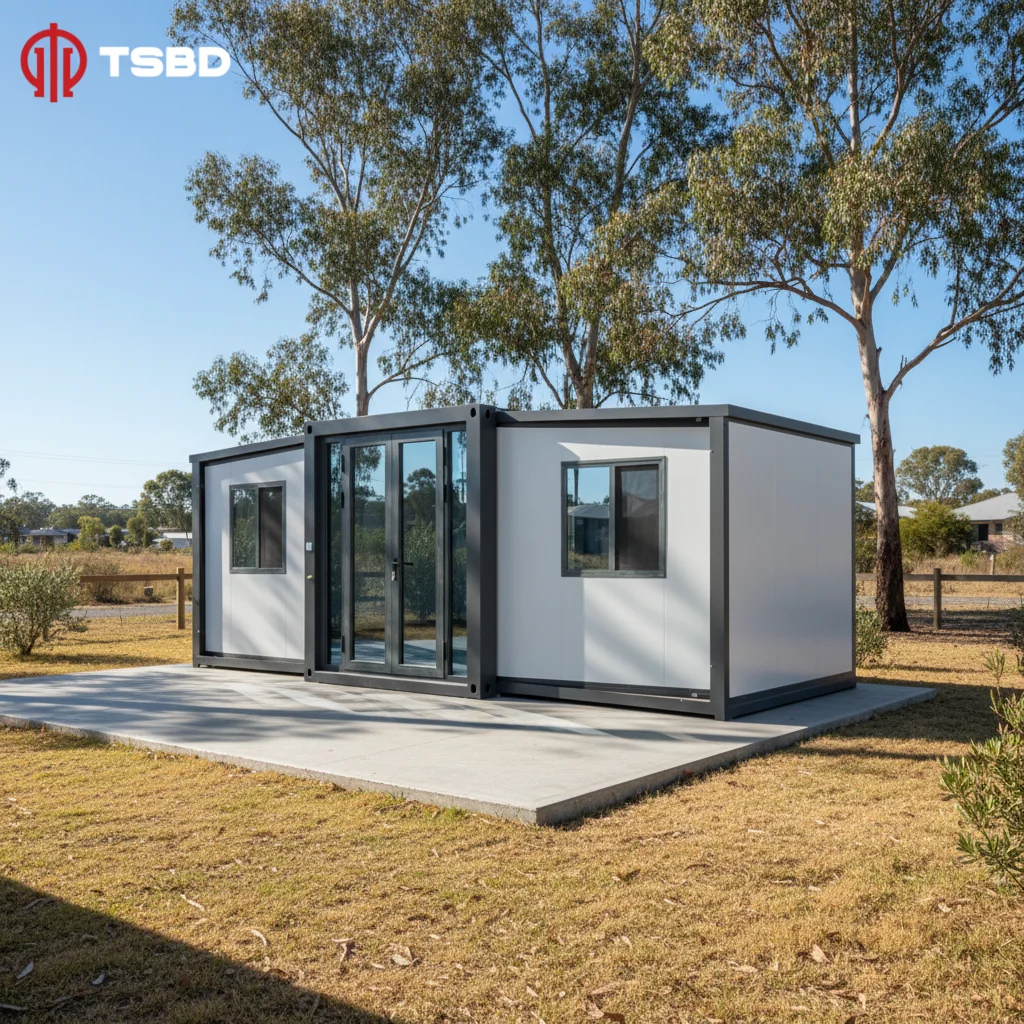
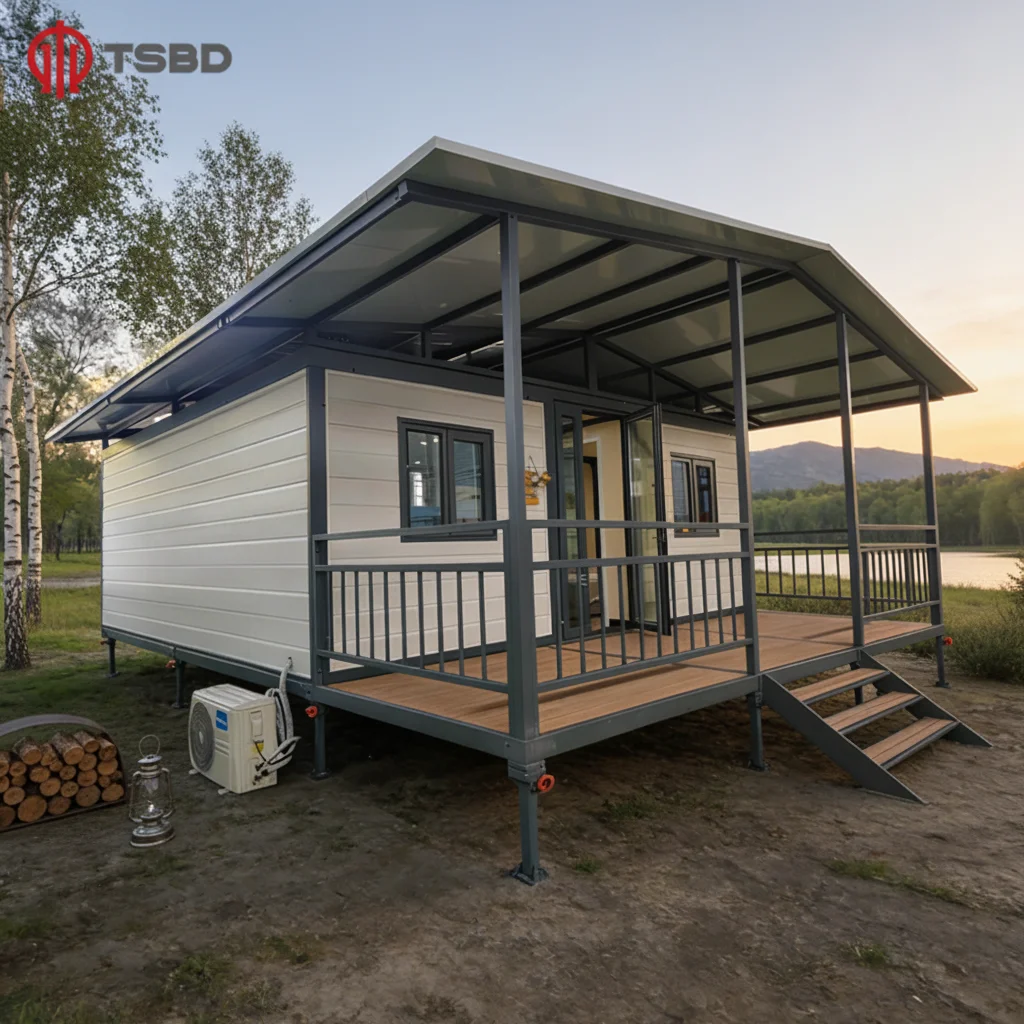
The expandable shipping container house represents a revolutionary approach to modern housing solutions, combining innovative engineering with practical design principles. This transformable dwelling unit starts as a compact shipping container and expands to create spacious living areas through a sophisticated mechanical system. The main function revolves around providing affordable, mobile, and quickly deployable residential spaces that can be transported easily and set up within hours. The technological features include hydraulic or manual expansion mechanisms that allow walls to extend outward, typically tripling the original floor space. These structures incorporate steel frameworks for durability, insulated panels for climate control, and pre-installed electrical and plumbing systems for immediate functionality. The expandable shipping container house utilizes standard shipping container dimensions, making it compatible with existing transportation infrastructure worldwide. Applications span diverse sectors including emergency disaster relief housing, temporary construction site accommodations, remote mining camp facilities, vacation retreats, backyard guest houses, affordable starter homes, and commercial pop-up retail spaces. The modular nature allows for vertical stacking and horizontal connections, creating multi-room configurations or even apartment complexes. Modern expandable shipping container house designs incorporate large windows, skylights, and contemporary finishes that rival traditional housing aesthetics. The expansion process typically involves releasing locking mechanisms and either manually pulling or using hydraulic systems to extend the folded sections, which unfold to reveal additional rooms. These units maintain structural integrity through reinforced corner posts and engineered connection points. Environmental sustainability stands as a core principle, with many expandable shipping container house models featuring solar panel compatibility, rainwater collection systems, and energy-efficient appliances, making them suitable for off-grid living scenarios while maintaining comfort standards expected in conventional homes.

New Product Recommendations

The expandable shipping container house delivers exceptional cost savings compared to traditional construction methods, with prices often running fifty to seventy percent lower than conventional builds of similar size. This affordability stems from factory-based manufacturing processes that eliminate weather delays and reduce labor costs significantly. Transportation becomes remarkably simple since the expandable shipping container house collapses to standard container dimensions, allowing shipment via trucks, trains, or cargo ships to virtually any location worldwide without requiring special permits or oversized load considerations. The speed of deployment proves invaluable, as a complete expandable shipping container house can be fully installed and ready for occupancy within a single day, compared to months required for traditional construction projects. This rapid setup makes them perfect for urgent housing needs or quick business launches. Durability exceeds expectations because the core structure uses corten steel, the same material protecting cargo during ocean voyages, ensuring resistance to harsh weather, pests, and physical impacts that would damage conventional buildings. Flexibility in configuration allows owners to start with one expandable shipping container house unit and add more modules as needs grow, creating custom layouts without major renovations. Mobility provides unique advantages, as the entire structure can be collapsed, relocated, and reassembled at new sites, making it ideal for people who relocate frequently or businesses testing different markets. The expandable shipping container house requires minimal foundation work, often needing only leveled ground and simple pier foundations rather than expensive concrete slabs, further reducing setup costs and environmental impact. Energy efficiency comes built-in through proper insulation, compact design that minimizes heating and cooling loads, and easy integration of renewable energy systems. Maintenance demands remain low due to steel construction that does not rot, warp, or attract termites like wood-framed buildings. Customization options abound, with manufacturers offering various interior finishes, exterior cladding choices, window placements, and floor plans to match personal preferences. The expandable shipping container house meets building codes in most jurisdictions when properly engineered and certified, ensuring legal occupancy and potential mortgage financing. Environmental benefits include recycling existing shipping containers in many cases, reducing construction waste, and smaller carbon footprints from shorter build times and efficient transportation. Insurance costs typically run lower due to fire-resistant steel construction and storm-resistant design. The compact collapsed state also allows for convenient storage when not in use, making seasonal vacation properties practical and affordable.

Tips And Tricks

What factors influence the cost and value of a tiny home today?

14

May

What factors influence the cost and value of a tiny home today?

Understanding what drives the cost and value of a tiny home has become essential for buyers, investors, and housing enthusiasts navigating today's evolving residential landscape. The tiny home movement continues to gain momentum as more people seek a...
View More
Why portable house is suitable for temporary and long-term use cases?

14

May

Why portable house is suitable for temporary and long-term use cases?

The modern construction landscape has witnessed a remarkable shift toward adaptable housing solutions that address both immediate shelter needs and sustained residential requirements. A portable house represents a versatile architectural innovation d...
View More
How portable house solutions support flexible living and working environments?

14

May

How portable house solutions support flexible living and working environments?

The modern world demands adaptability in how we live and work, and portable house solutions have emerged as a transformative response to this need. As remote work becomes standard practice, professionals seek environments that combine comfort with mo...
View More
What key factors affect portable house durability and performance?

14

May

What key factors affect portable house durability and performance?

Understanding the key factors that affect portable house durability and performance is essential for anyone considering modular or relocatable construction solutions. Whether for residential use, commercial applications, temporary site offices, or di...
View More

Get a Free Quote

Our representative will contact you soon.
Email
Name
Company Name
Message
0/1000

expandable shipping container house

Space Maximization Through Intelligent Expansion Technology

Space Maximization Through Intelligent Expansion Technology

The expandable shipping container house employs sophisticated expansion mechanisms that transform compact transport dimensions into generous living spaces, representing one of its most compelling features. When collapsed for shipping, the unit maintains standard container footprints of twenty or forty feet, but upon arrival at the destination site, the expansion system activates to reveal hidden living areas. This ingenious design typically achieves expansion ratios of three to one, meaning a twenty-foot container opens into approximately sixty square feet of usable floor space, while forty-foot models can provide over one hundred twenty square feet of comfortable living area. The expansion technology varies by manufacturer, with some utilizing hydraulic rams for effortless push-button operation, while others employ manual crank systems that reduce complexity and maintenance requirements. Regardless of the mechanism, the process remains straightforward and requires minimal training, allowing even inexperienced users to complete setup safely. The expandable shipping container house achieves this space multiplication through cleverly engineered folding wall panels that nest within the container profile during transport, then extend outward on tracks or hinges during deployment. These panels lock securely into place using heavy-duty latches and structural supports that ensure stability matching or exceeding traditional construction standards. Interior ceiling heights typically reach standard residential dimensions of eight to nine feet, eliminating the cramped feeling associated with non-expanding container conversions. The expanded sections feature full insulation packages, finished interior walls, flooring systems, and integrated utilities, meaning the additional space functions as genuine living area rather than flimsy additions. Window and door placements are strategically designed within both the fixed container core and expandable sections, ensuring natural light floods the interior regardless of configuration. This expansion capability proves particularly valuable in urban settings where the expandable shipping container house can be delivered through narrow streets in collapsed form, then expanded on-site to provide adequate living space. The structural engineering behind these expansion systems undergoes rigorous testing to ensure weather-tightness, with seals and gaskets preventing water infiltration at connection points between fixed and moving sections. The expandable shipping container house maintains thermal efficiency through continuous insulation that bridges between sections, avoiding thermal breaks that would compromise energy performance. This space-saving transport capability combined with generous deployed dimensions solves the fundamental challenge of delivering substantial housing to remote, difficult-access locations where traditional construction materials cannot feasibly reach.
Rapid Deployment and Minimal Site Preparation Requirements

Rapid Deployment and Minimal Site Preparation Requirements

The expandable shipping container house revolutionizes project timelines through its remarkable quick-deployment capability, offering move-in ready housing in timeframes that seem impossible with conventional building methods. From delivery to full occupancy, the entire process can be completed within four to eight hours, depending on unit size and site conditions. This extraordinary speed stems from comprehensive factory completion of all systems before shipping, including fully installed electrical wiring, plumbing fixtures, HVAC equipment, interior finishes, cabinetry, and appliances. Upon arrival, the expandable shipping container house simply requires positioning, expansion, utility connections, and final inspections before immediate use. Site preparation demands remain minimal compared to traditional construction, typically requiring only a level surface and basic utility access points. Foundation options range from simple concrete piers or wooden blocks at each corner to steel screw piles in difficult soils, with most installations avoiding expensive concrete slabs entirely. This minimal foundation approach not only reduces costs but also lessens environmental impact and allows for future relocation without permanent site alterations. The expandable shipping container house arrives as a complete sealed unit, protecting interior finishes from weather exposure during transport and installation, unlike traditional construction where building materials suffer weather damage during extended build times. Utility connections follow standardized locations, with electrical panels, water inlets, and sewage outlets positioned for quick hookup to existing infrastructure or standalone systems. For off-grid applications, the expandable shipping container house easily accommodates solar panel arrays, battery storage systems, water tanks, and septic solutions, with pre-installed mounting points and system integration simplifying alternative utility setup. The rapid deployment proves invaluable during emergency response situations, where displaced populations need immediate shelter, allowing relief organizations to establish housing camps within days rather than months. Commercial applications benefit equally, with businesses launching pop-up locations, construction site offices, or seasonal operations without lengthy permitting and construction delays. The expandable shipping container house arrives with all required engineering certifications and compliance documentation, streamlining building department approvals in most jurisdictions. Quality control surpasses site-built alternatives because factory construction occurs in controlled environments with consistent worker conditions, precision tools, and systematic inspections at each manufacturing stage. Weather-related delays vanish entirely since the expandable shipping container house completes fabrication indoors, then travels to site regardless of local climate conditions. Labor requirements during installation involve small crews of two to four workers rather than the multiple specialized trade contractors needed for conventional builds, further reducing costs and coordination complexity. This deployment speed creates opportunities for rapid business scaling, allowing entrepreneurs to test market concepts with minimal investment and quick pivots if needed.

Durability and Weather Resistance for Long-Term Value

Durability and Weather Resistance for Long-Term Value

The expandable shipping container house delivers exceptional longevity and structural resilience through its robust steel construction, engineered specifically to withstand extreme conditions over decades of service. The foundation of this durability lies in the use of corten steel, a specialized alloy developed for shipping containers that forms a protective rust patina when exposed to weather, actually increasing corrosion resistance over time rather than deteriorating like standard steel. This material choice ensures the expandable shipping container house maintains structural integrity through hurricanes, earthquakes, heavy snow loads, and intense sun exposure that would compromise lighter construction methods. The steel framework provides inherent resistance to pests including termites, carpenter ants, and rodents that cause billions in damage to wood-framed structures annually, eliminating expensive pest control treatments and structural repairs. Fire resistance represents another significant durability advantage, with steel construction earning superior fire ratings compared to wood framing, potentially reducing insurance premiums while providing critical safety margins during wildfire threats or accidental fires. The expandable shipping container house engineering includes corrosion protection through galvanized steel components, protective coatings, and proper drainage design that prevents water accumulation in vulnerable areas. Structural load calculations typically incorporate safety factors exceeding residential building codes, accounting for dynamic stresses during transport and handling that conventional buildings never experience, resulting in overbuilt strength that ensures decades of reliable service. Wind resistance testing demonstrates the expandable shipping container house can withstand hurricane-force winds when properly anchored, with the low profile and aerodynamic shape reducing wind loads compared to taller traditional structures. Seismic performance benefits from the inherent flexibility of steel construction and the relatively lightweight building mass, allowing the expandable shipping container house to absorb earthquake forces without catastrophic failure. The modular steel frame construction creates redundant load paths, meaning if one component experiences damage, alternative structural elements maintain overall stability. Weather-tight seals undergo extensive testing to ensure the expandable shipping container house remains dry during driving rain and prevents air infiltration that would compromise energy efficiency. Exterior finish options include powder coating, specialized marine paints, or cladding systems that provide additional protection and aesthetic customization while preserving the underlying steel structure. Interior moisture management incorporates proper vapor barriers and ventilation systems that prevent condensation issues which could otherwise affect steel structures in humid climates. The expandable shipping container house typically carries warranties of twenty-five to thirty years on structural components, with total service lives potentially reaching fifty years or more with basic maintenance, far exceeding the typical lifespan of manufactured housing alternatives. This longevity creates excellent long-term value propositions, with the expandable shipping container house maintaining functionality and appearance while conventional structures require major renovations or replacements. Maintenance requirements remain minimal, typically involving periodic inspection of seals, repainting exterior surfaces every ten to fifteen years, and standard upkeep of mechanical systems rather than structural repairs.

Get a Free Quote

Our representative will contact you soon.
Email
Name
Company Name
Message
0/1000

Copyright © 2026 Tangshan Waiyang Supply Chain Management Co., Ltd. Beijing All rights reserved.  -  Privacy policy