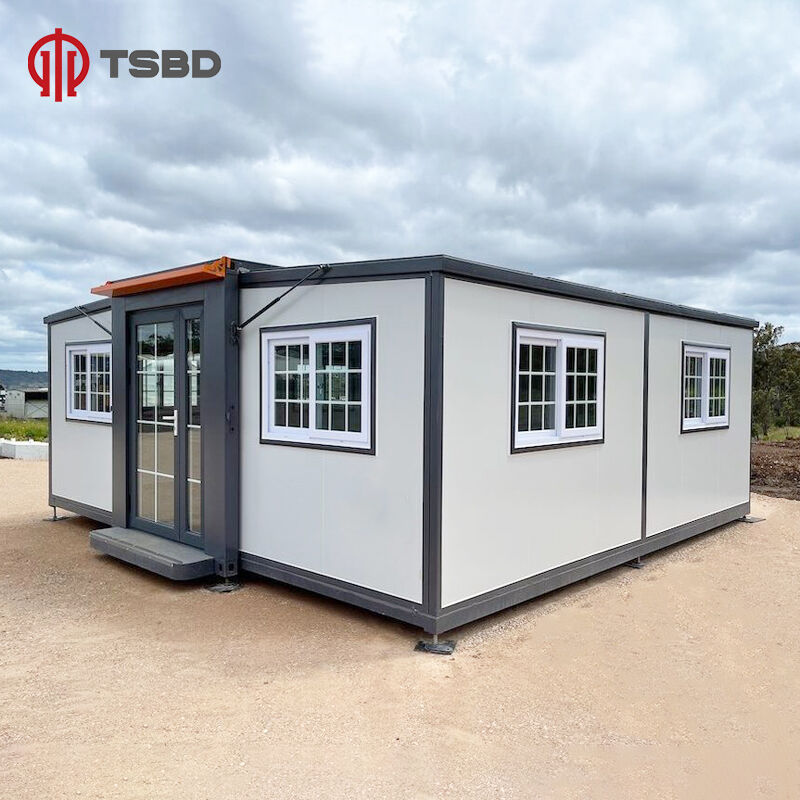
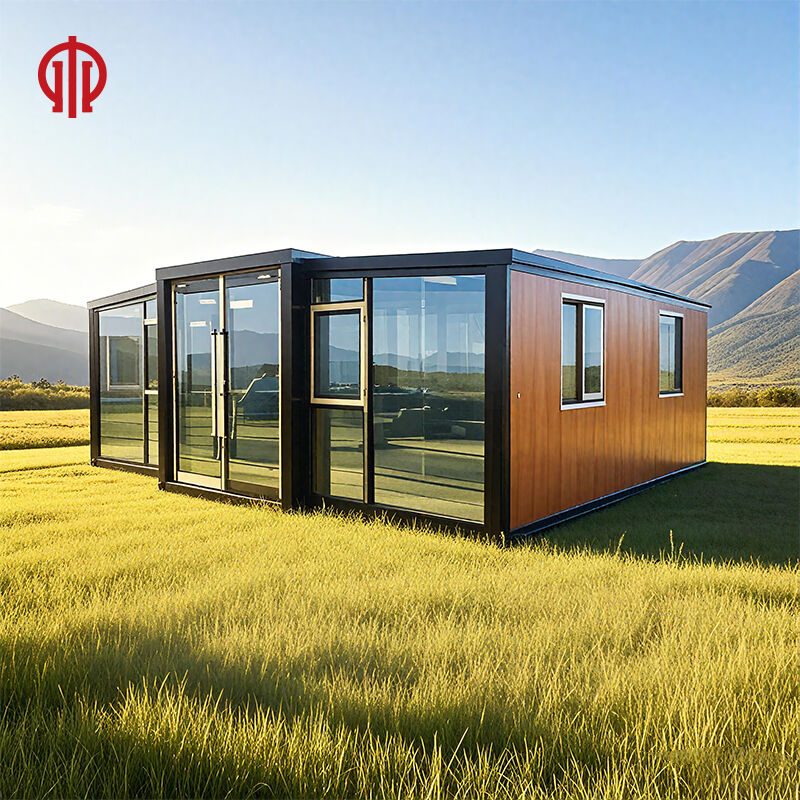
Expandable Prefab Homes: Innovative Flexible Housing Solutions for Modern Living

expandable prefab homes

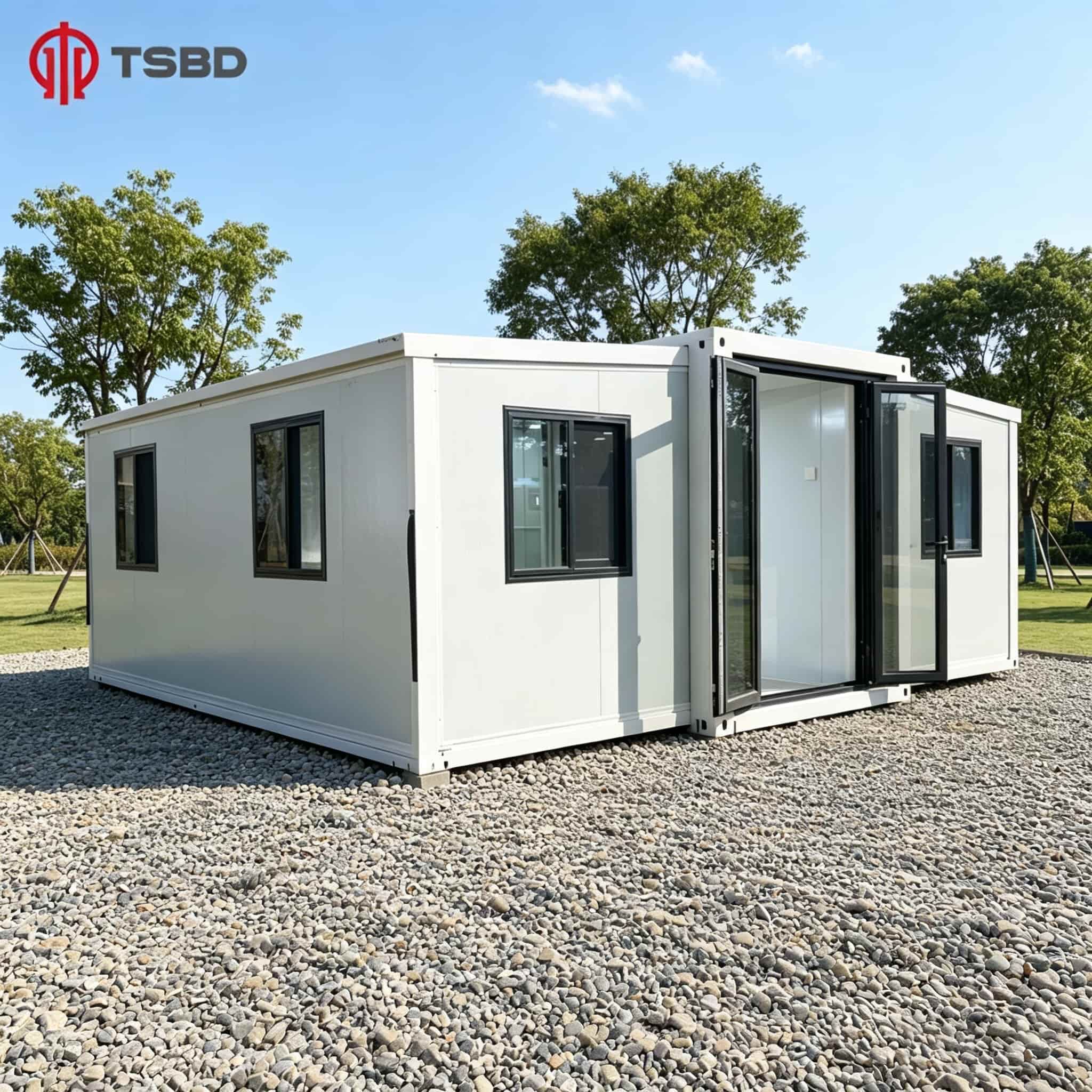
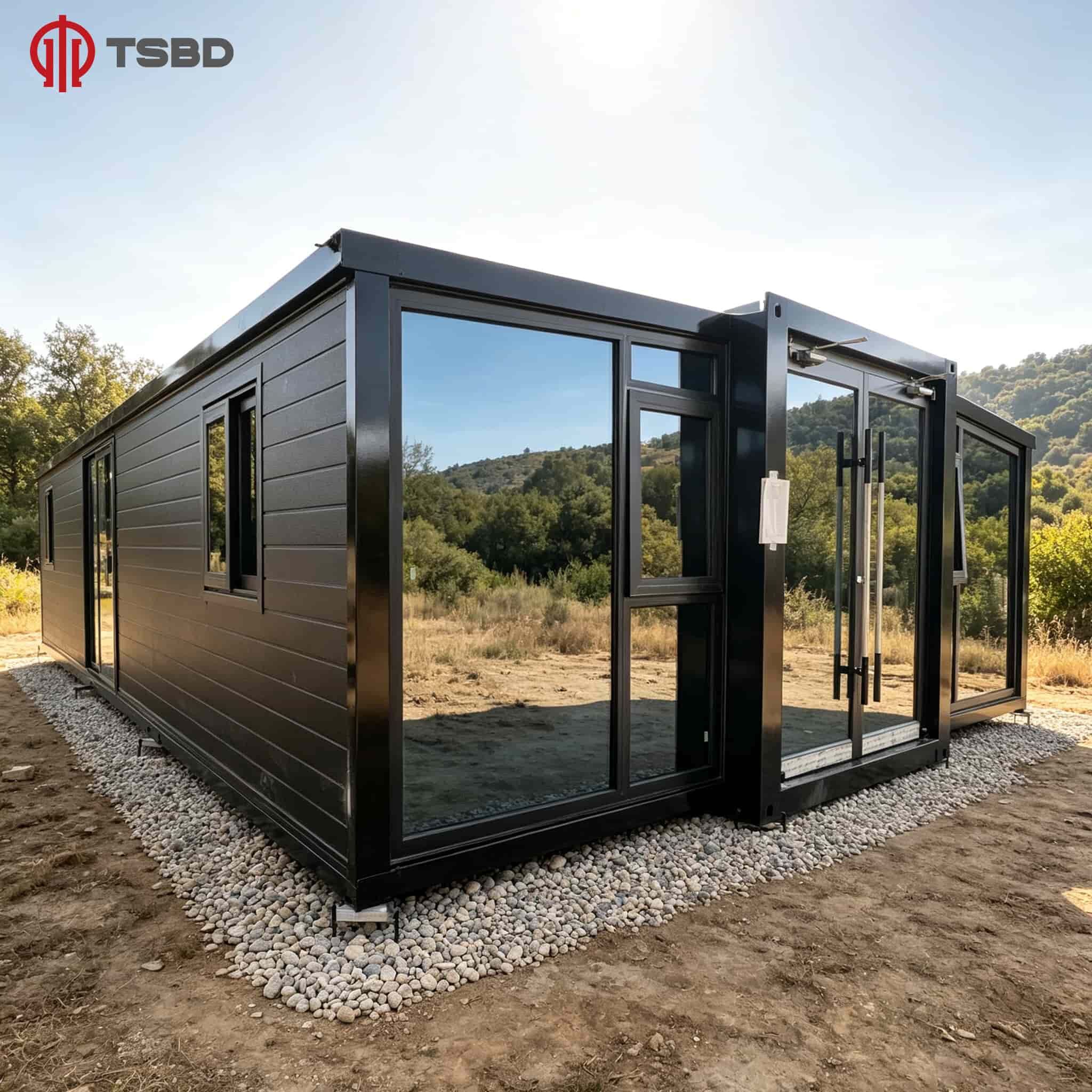
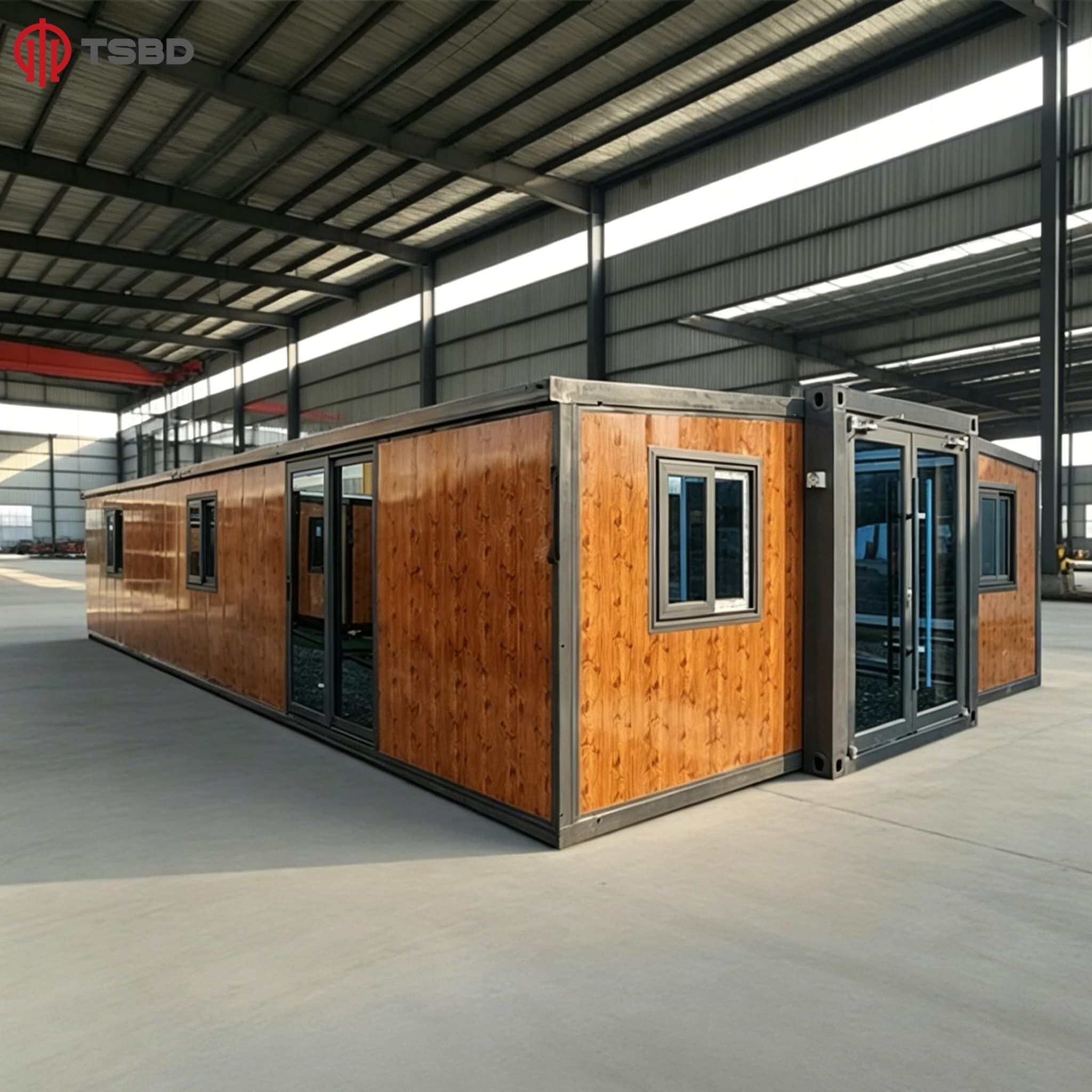
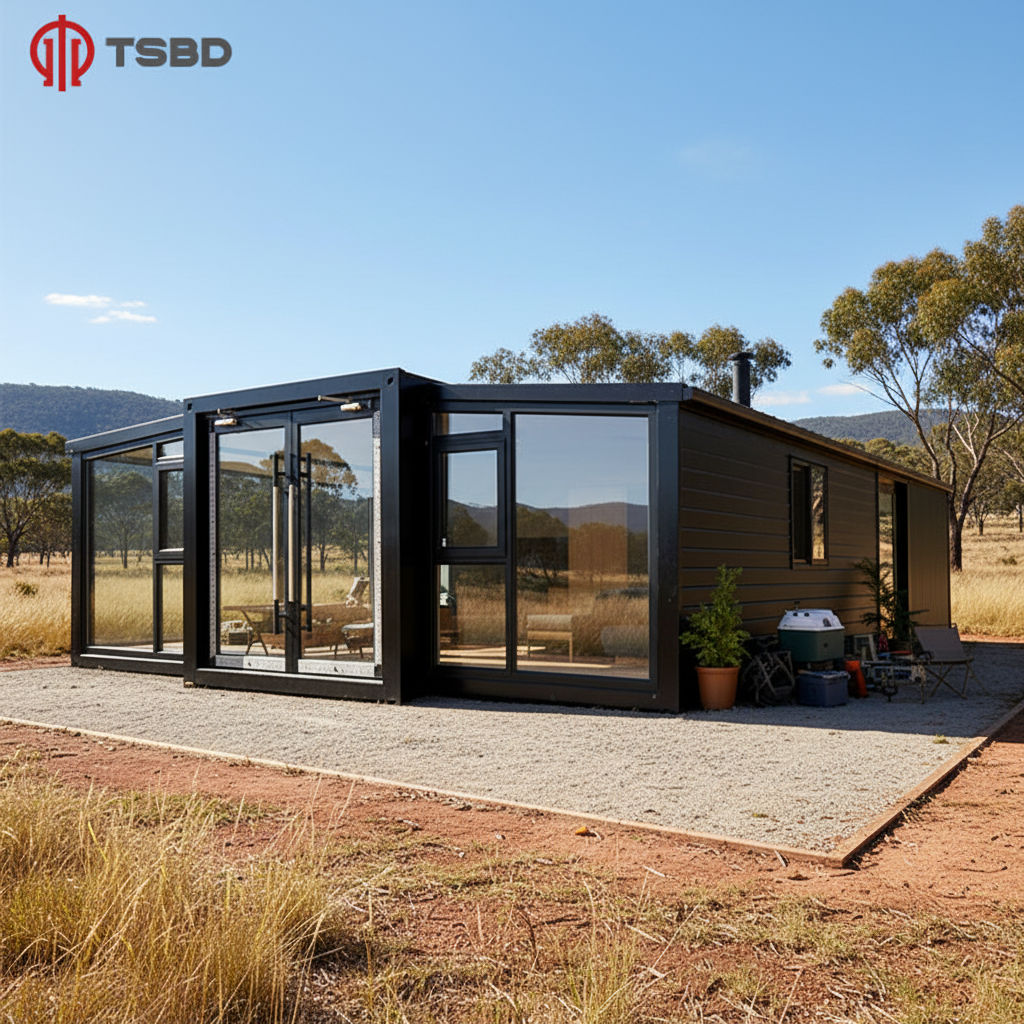
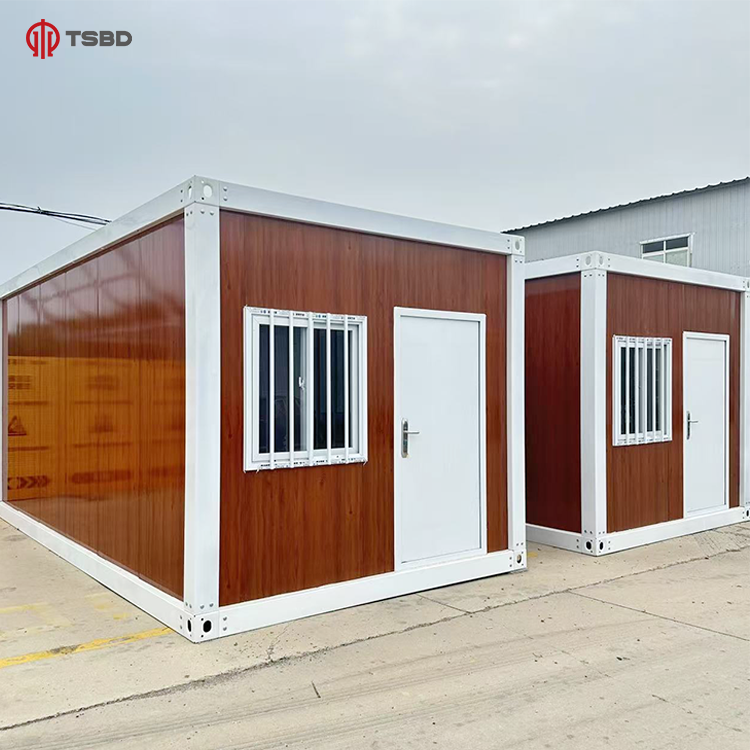
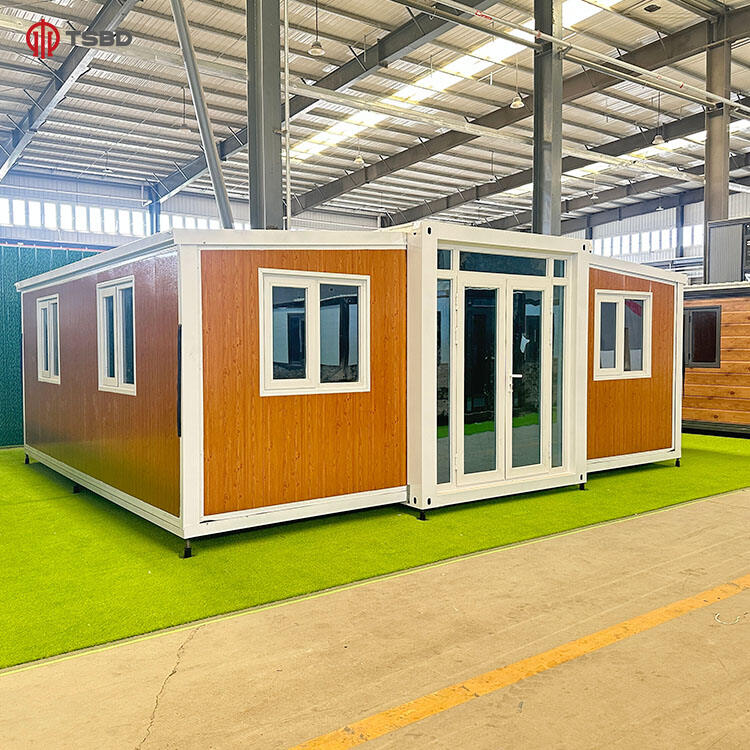
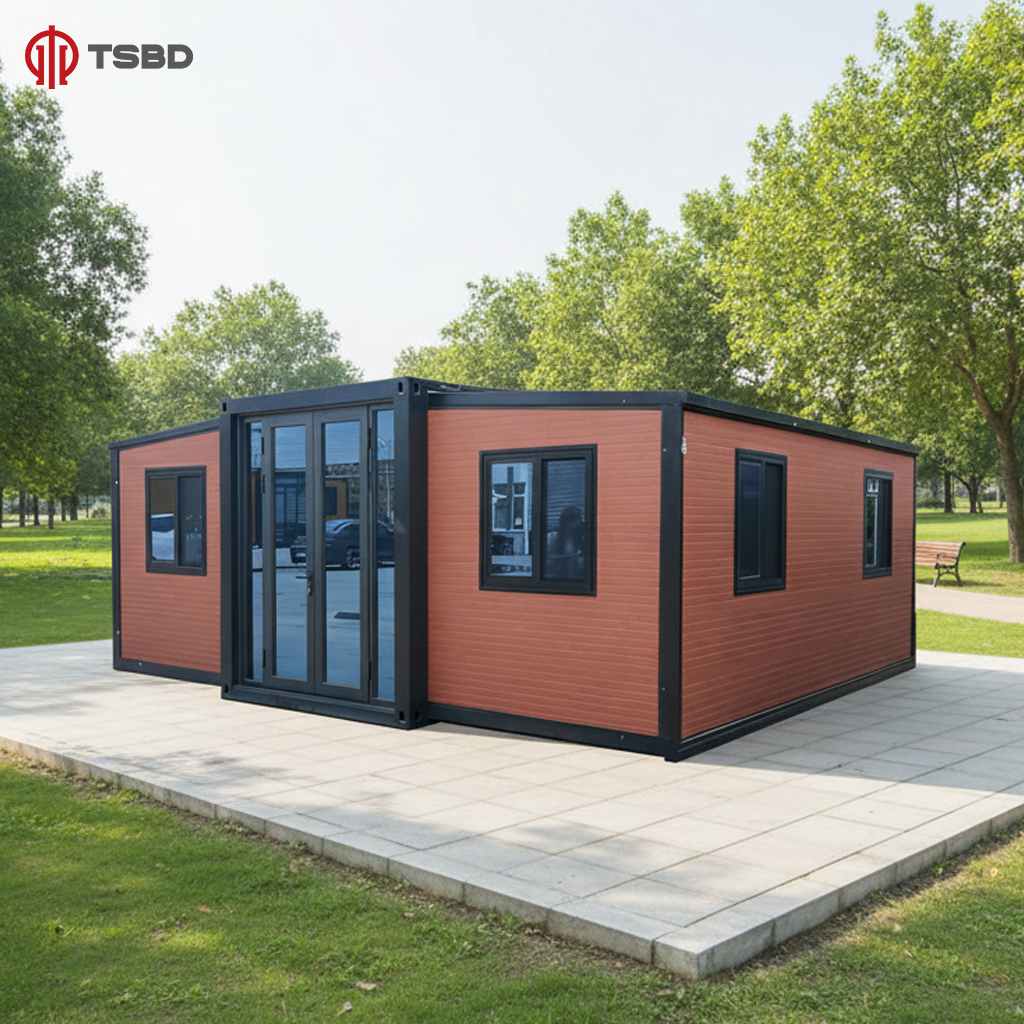
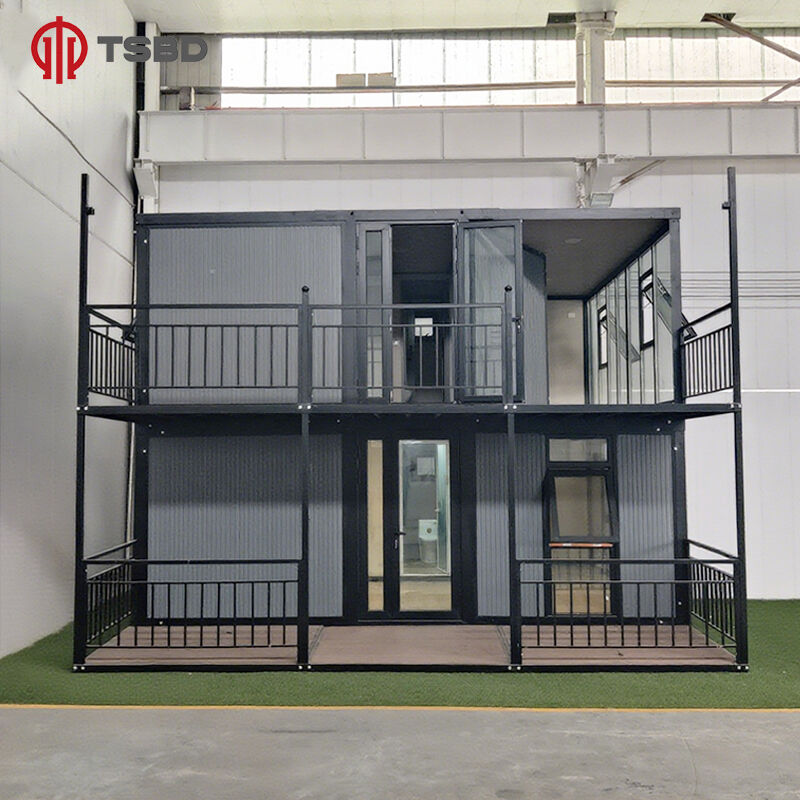
Expandable prefab homes represent a revolutionary approach to modern housing, combining intelligent design with practical functionality to deliver versatile living spaces that adapt to your changing needs. These innovative structures are manufactured in controlled factory environments and transported to your site for quick assembly, offering a streamlined alternative to traditional construction methods. The main function of expandable prefab homes centers on their remarkable ability to physically expand and contract, transforming from compact transportable units into spacious residential dwellings within hours. This expansion mechanism typically operates through hydraulic systems or manual sliding rails that allow wall sections to extend outward, instantly multiplying the interior square footage. Technologically, expandable prefab homes incorporate advanced engineering solutions including reinforced steel frameworks, weather-resistant composite panels, and precision-engineered folding mechanisms that ensure structural integrity during both transportation and expanded states. The modular construction approach enables customization of floor plans, window placements, and interior configurations to match individual preferences and site requirements. These homes utilize energy-efficient insulation materials, modern electrical systems, and plumbing infrastructure that meet or exceed residential building codes. Applications for expandable prefab homes span diverse scenarios including permanent residential housing for families seeking affordable homeownership, temporary accommodation for construction workers at remote project sites, emergency disaster relief shelters that deploy rapidly after natural catastrophes, vacation properties in scenic locations, guest houses on existing properties, mobile offices for businesses requiring flexible workspaces, and military housing installations. The construction process involves minimal site preparation compared to conventional building methods, reducing environmental impact and accelerating occupancy timelines. Transportation logistics benefit from the collapsed configuration, allowing standard shipping containers or flatbed trucks to deliver units to locations with challenging access. Once positioned on prepared foundations, expandable prefab homes transform through systematic deployment of walls, installation of roofing components, and connection of utility systems, creating comfortable living environments that rival traditionally constructed houses in quality and durability while offering unprecedented flexibility and efficiency.

New Products

Choosing expandable prefab homes delivers substantial practical benefits that directly impact your budget, timeline, and quality of life. The cost savings alone make these structures attractive, with prices typically running thirty to fifty percent lower than comparable traditionally built houses. You avoid the unpredictable expense overruns that plague conventional construction projects because factory manufacturing operates on fixed pricing models with transparent cost structures. Labor expenses decrease dramatically since skilled workers assemble components in controlled environments rather than managing weather delays and site complications. The speed of installation transforms your housing timeline from months or years into days or weeks. After site preparation, your expandable prefab home can be delivered, positioned, and made move-in ready within as little as one day for basic models. This rapid deployment proves invaluable when you face urgent housing needs or want to minimize rental costs during transition periods. The quality control inherent in factory manufacturing ensures consistency that site-built construction struggles to match. Each component undergoes inspection before leaving the production facility, eliminating the variables of weather exposure, material storage issues, and workforce skill disparities that compromise traditional builds. Your expandable prefab home arrives with precision-fitted elements that align perfectly during assembly. Flexibility stands as a defining advantage, allowing you to start with a smaller footprint and expand later as your family grows or financial capacity increases. This scalability means you invest appropriately for current needs without overcommitting resources or purchasing more house than circumstances require. The portability of these structures protects your investment if you relocate, as many designs allow disassembly and transportation to new sites. Environmental responsibility matters to conscious consumers, and expandable prefab homes generate significantly less construction waste than traditional methods. Factory processes optimize material usage and recycle scraps efficiently. Reduced site disturbance preserves natural landscapes and minimizes your carbon footprint. Energy efficiency features built into modern expandable prefab homes lower utility bills through superior insulation, strategic window placement, and optional integration of solar panels or other renewable energy systems. Maintenance requirements stay manageable thanks to durable exterior cladding materials that resist weathering, corrosion, and pest damage. The structural simplicity means fewer complex systems that could malfunction or require specialized repair services. Customization options let you personalize layouts, finishes, and features to reflect your aesthetic preferences and functional requirements. Whether you need extra bedrooms, home office space, or open-concept living areas, manufacturers accommodate modifications during production. Finally, expandable prefab homes provide immediate solutions for diverse situations from vacation retreats to full-time residences, offering versatility that static traditional houses cannot match while maintaining comfort, safety, and long-term value.

Latest News

What factors influence the cost of a mobile home for large-scale projects?

14

May

What factors influence the cost of a mobile home for large-scale projects?

When planning large-scale construction projects that require temporary or semi-permanent housing solutions, understanding the cost structure of a mobile home becomes essential for accurate budgeting and project feasibility analysis. The investment in...
View More
What factors influence the cost and value of a tiny home today?

14

May

What factors influence the cost and value of a tiny home today?

Understanding what drives the cost and value of a tiny home has become essential for buyers, investors, and housing enthusiasts navigating today's evolving residential landscape. The tiny home movement continues to gain momentum as more people seek a...
View More
How portable house solutions support flexible living and working environments?

14

May

How portable house solutions support flexible living and working environments?

The modern world demands adaptability in how we live and work, and portable house solutions have emerged as a transformative response to this need. As remote work becomes standard practice, professionals seek environments that combine comfort with mo...
View More
What key factors affect portable house durability and performance?

14

May

What key factors affect portable house durability and performance?

Understanding the key factors that affect portable house durability and performance is essential for anyone considering modular or relocatable construction solutions. Whether for residential use, commercial applications, temporary site offices, or di...
View More

Get a Free Quote

Our representative will contact you soon.
Email
Name
Company Name
Message
0/1000

expandable prefab homes

Innovative Expansion Technology That Maximizes Living Space

Innovative Expansion Technology That Maximizes Living Space

The cornerstone feature of expandable prefab homes lies in their ingenious expansion mechanisms that fundamentally redefine how residential structures utilize space. This technology employs sophisticated engineering principles to create homes that transition from compact shipping configurations to full-sized dwellings through carefully orchestrated deployment sequences. The expansion system typically incorporates reinforced steel frames that nest within one another during transportation, then slide outward along precision-manufactured tracks when you activate the expansion process. Hydraulic cylinders provide the force needed to extend wall sections smoothly and consistently, while manual systems offer hand-crank alternatives for locations without electrical power access. The genius of this design becomes apparent when you consider the space multiplication achieved through expansion. A unit measuring twelve feet wide during transport can expand to create interior widths of twenty-four feet or more, effectively doubling or tripling usable floor area without requiring additional land footprint beyond the expanded dimensions. This spatial efficiency proves particularly valuable in urban environments where property costs per square foot reach premium levels, or in remote locations where transporting larger structures presents logistical challenges. The structural integrity maintained during and after expansion relies on interlocking panel systems that create seamless connections between stationary and movable sections. Weather sealing technologies incorporate multiple gasket layers and compression mechanisms that prevent air infiltration, water penetration, and thermal bridging at expansion joints. These connections meet rigorous building code requirements for wind resistance and seismic performance, ensuring your expandable prefab home remains safe and secure under various environmental conditions. The expansion process itself requires minimal technical expertise, with most systems designed for operation by two or three people following straightforward procedures outlined in manufacturer guidelines. Safety features include locking mechanisms that secure walls in both collapsed and expanded positions, preventing accidental movement and ensuring stability. The reversibility of the expansion proves advantageous if you need to relocate your home, as the structure collapses back into its compact form for efficient transportation to new sites. This feature essentially makes your real estate investment portable, protecting value in ways that conventional construction cannot offer. The engineering behind expandable prefab homes continues advancing with each generation, incorporating lighter materials that maintain strength while reducing transportation costs, improved insulation systems that enhance energy performance, and more intuitive deployment mechanisms that further simplify the expansion process for homeowners.
Factory-Built Quality Control That Ensures Superior Construction Standards

Factory-Built Quality Control That Ensures Superior Construction Standards

The manufacturing approach employed for expandable prefab homes introduces quality control advantages that fundamentally distinguish these structures from site-built alternatives. Production occurs within climate-controlled factory environments where temperature, humidity, and working conditions remain constant regardless of external weather patterns. This controlled setting eliminates the construction delays, material degradation, and workmanship inconsistencies that outdoor building sites routinely experience. Skilled technicians specialize in specific assembly tasks, developing expertise through repetition that generalist construction crews cannot match. Each worker focuses on particular components, whether framing, electrical installation, plumbing integration, or finishing details, creating efficiency and precision throughout the manufacturing process. Quality inspections occur at multiple stages of production rather than relying on final walk-throughs that may overlook hidden defects. Structural frames undergo load testing before wall panel attachment. Electrical systems receive functionality verification before concealment behind interior surfaces. Plumbing connections face pressure testing to identify any potential leak points before the expandable prefab home leaves the factory. This systematic approach catches issues during manufacturing when corrections cost pennies compared to the dollars required for post-installation repairs. Material handling benefits from organized warehouse systems that protect components from weather exposure, theft, and damage. Lumber remains dry and stable rather than absorbing moisture on construction sites. Metal components avoid corrosion that occurs when stored outdoors. Finish materials maintain pristine condition until installation moments. The precision equipment available in factory settings enables accuracy that hand tools in field conditions struggle to achieve. Computer-controlled cutting systems produce components with tolerances measured in millimeters, ensuring perfect alignment during assembly. This precision translates directly into superior fit and finish throughout your completed expandable prefab home. Windows seat properly in their openings without gaps. Doors operate smoothly without binding. Floor surfaces remain level and true. The manufacturing timeline follows predictable schedules unaffected by weather delays, permitting challenges, or material delivery disruptions that extend traditional construction projects indefinitely. You receive reliable completion dates and can plan your move accordingly. The factory construction model also facilitates continuous improvement as manufacturers analyze production data, identify optimization opportunities, and implement refinements that benefit subsequent units. Your expandable prefab home incorporates lessons learned from thousands of previous builds, representing cumulative knowledge and refinement that individual construction projects never achieve. Building code compliance receives systematic attention throughout manufacturing, with inspectors verifying adherence to regulations governing structural requirements, electrical safety, plumbing standards, and energy efficiency specifications before units ship to customers.
Versatile Applications That Serve Diverse Housing Needs Across Multiple Scenarios

Versatile Applications That Serve Diverse Housing Needs Across Multiple Scenarios

Expandable prefab homes demonstrate remarkable adaptability across an extensive spectrum of housing applications, making them suitable solutions for scenarios ranging from permanent residential living to temporary accommodation needs. This versatility stems from the fundamental design philosophy that prioritizes flexibility, portability, and rapid deployment without compromising comfort or functionality. For families pursuing homeownership, expandable prefab homes offer an accessible entry point into property ownership with lower purchase prices and faster occupancy timelines than conventional houses. Young couples can establish their first home without the financial strain of traditional mortgages, while retirees downsize into manageable spaces that accommodate aging-in-place requirements through single-level designs and accessibility features. The vacation property market embraces expandable prefab homes as ideal solutions for seasonal retreats in mountain, lakeside, or coastal locations. The reduced construction impact appeals to environmentally conscious buyers, while the option to close and secure the structure during off-seasons provides peace of mind. Remote workers increasingly recognize expandable prefab homes as viable options for establishing home offices separate from primary residences, creating dedicated professional spaces that enhance productivity without daily commute requirements. Property owners utilize these structures as guest houses or rental units that generate supplementary income while adding value to existing real estate holdings. The accessory dwelling unit potential helps adult children provide nearby housing for aging parents or creates opportunities for multi-generational living arrangements that maintain privacy while facilitating family connection. Commercial applications extend to construction companies deploying expandable prefab homes as worker housing at remote project sites, mining operations, or infrastructure development locations where permanent structures prove impractical. The ability to relocate units as projects complete maximizes return on investment. Disaster relief organizations value expandable prefab homes for emergency response scenarios following hurricanes, earthquakes, floods, or wildfires. The rapid deployment capability provides displaced families with dignified temporary housing far superior to tent camps or crowded shelters, while the structural durability withstands harsh conditions during recovery periods. Educational institutions establish expandable prefab homes as campus housing during enrollment surges or renovation projects affecting existing dormitories. Healthcare facilities utilize them as staff quarters for traveling nurses, temporary medical clinics, or quarantine facilities during public health emergencies. Military installations deploy expandable prefab homes for personnel housing at training centers, forward operating bases, or temporary assignments, with the portability enabling redeployment as strategic needs shift. Government agencies specify expandable prefab homes for affordable housing initiatives, homeless intervention programs, and workforce development projects that require cost-effective construction timelines. The tourism industry incorporates them as glamping accommodations that deliver comfortable amenities in natural settings while minimizing environmental footprint. This breadth of applications demonstrates how expandable prefab homes transcend traditional housing category limitations to serve virtually any scenario requiring quality shelter with flexibility, economy, and speed.

Get a Free Quote

Our representative will contact you soon.
Email
Name
Company Name
Message
0/1000

Copyright © 2026 Tangshan Waiyang Supply Chain Management Co., Ltd. Beijing All rights reserved.  -  Privacy policy