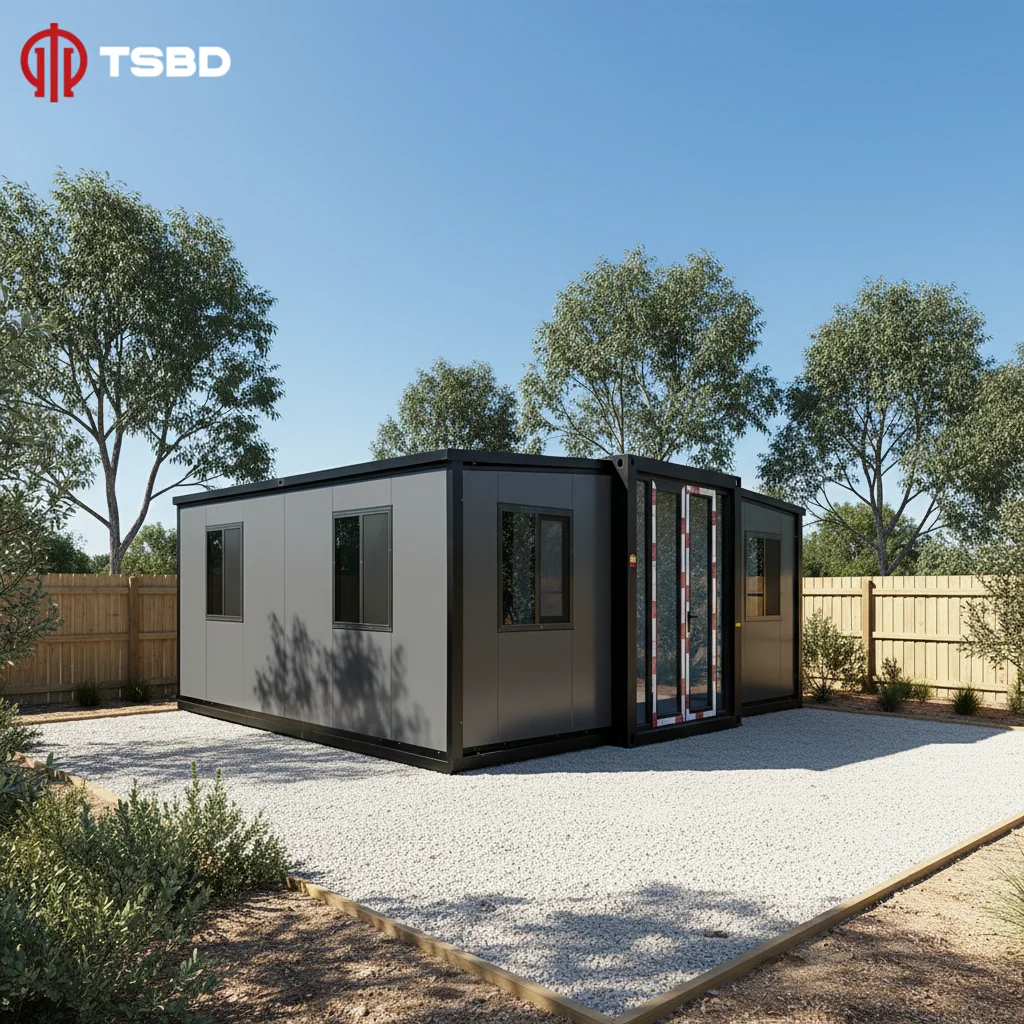
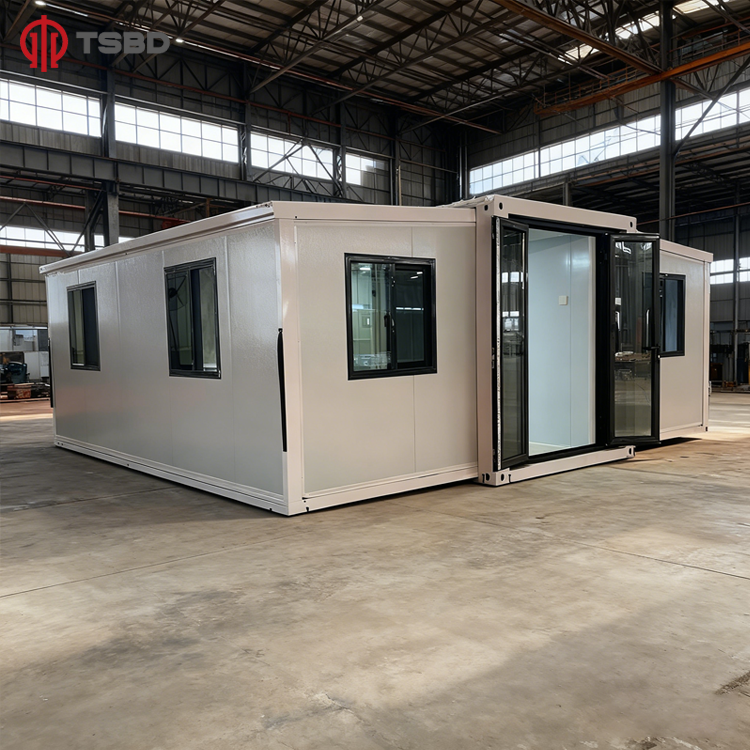
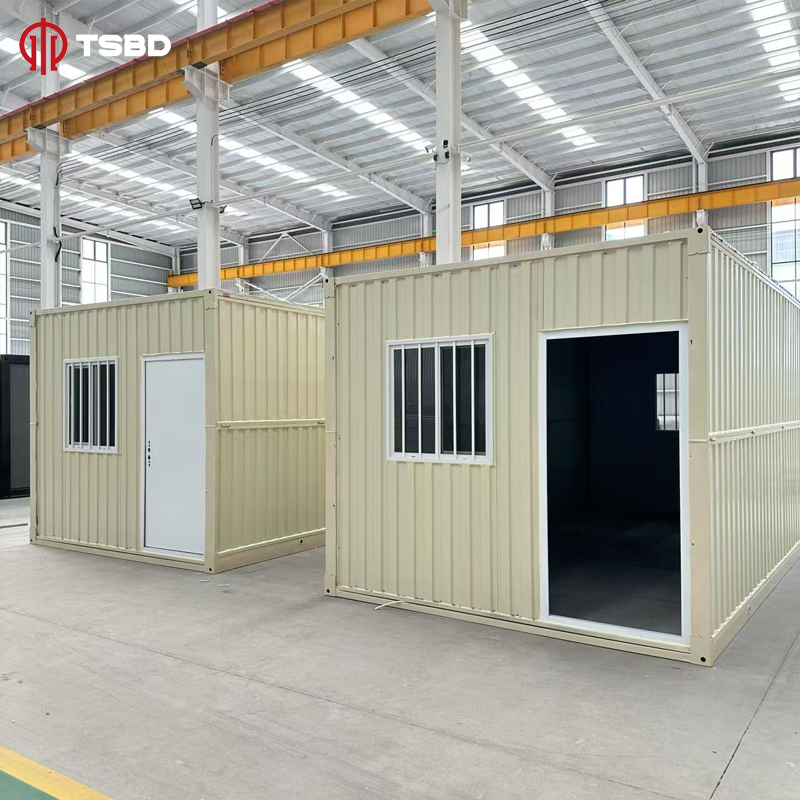
Outstanding Economic Value Through Lower Initial Costs and Reduced Long-Term Expenses
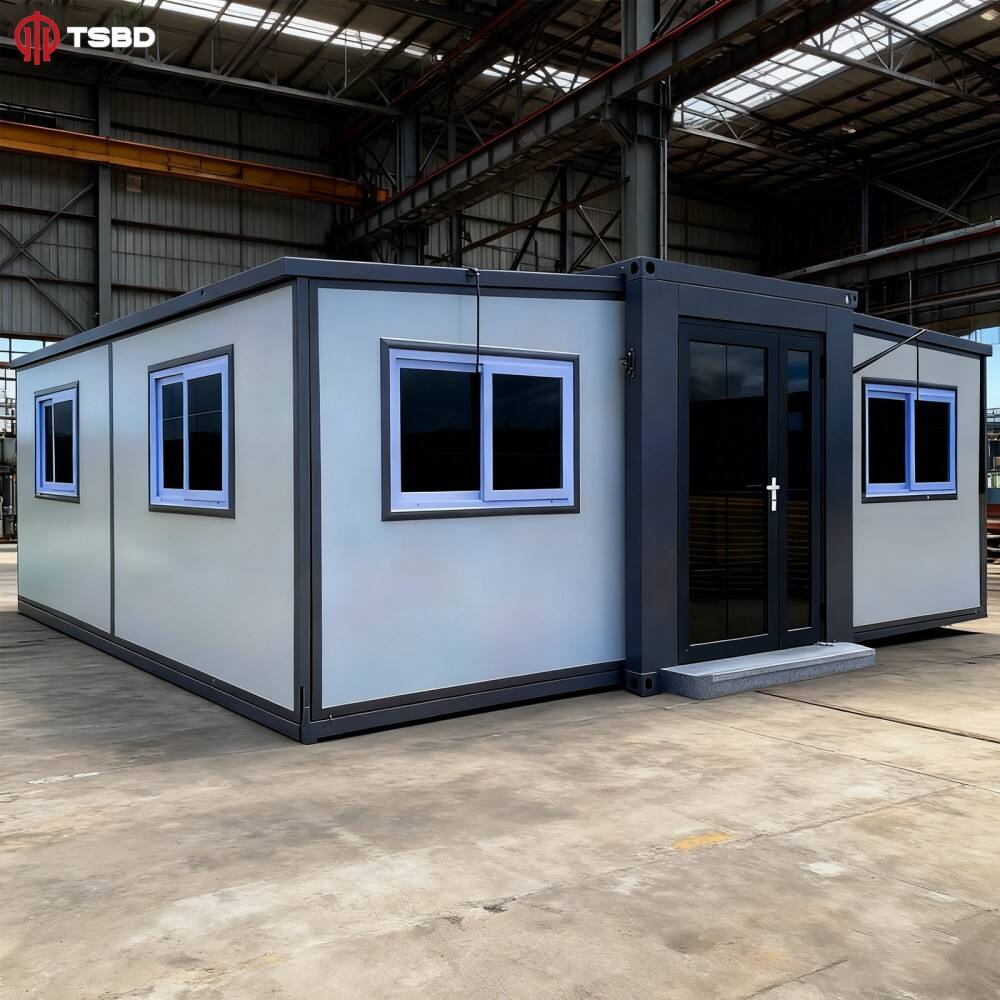
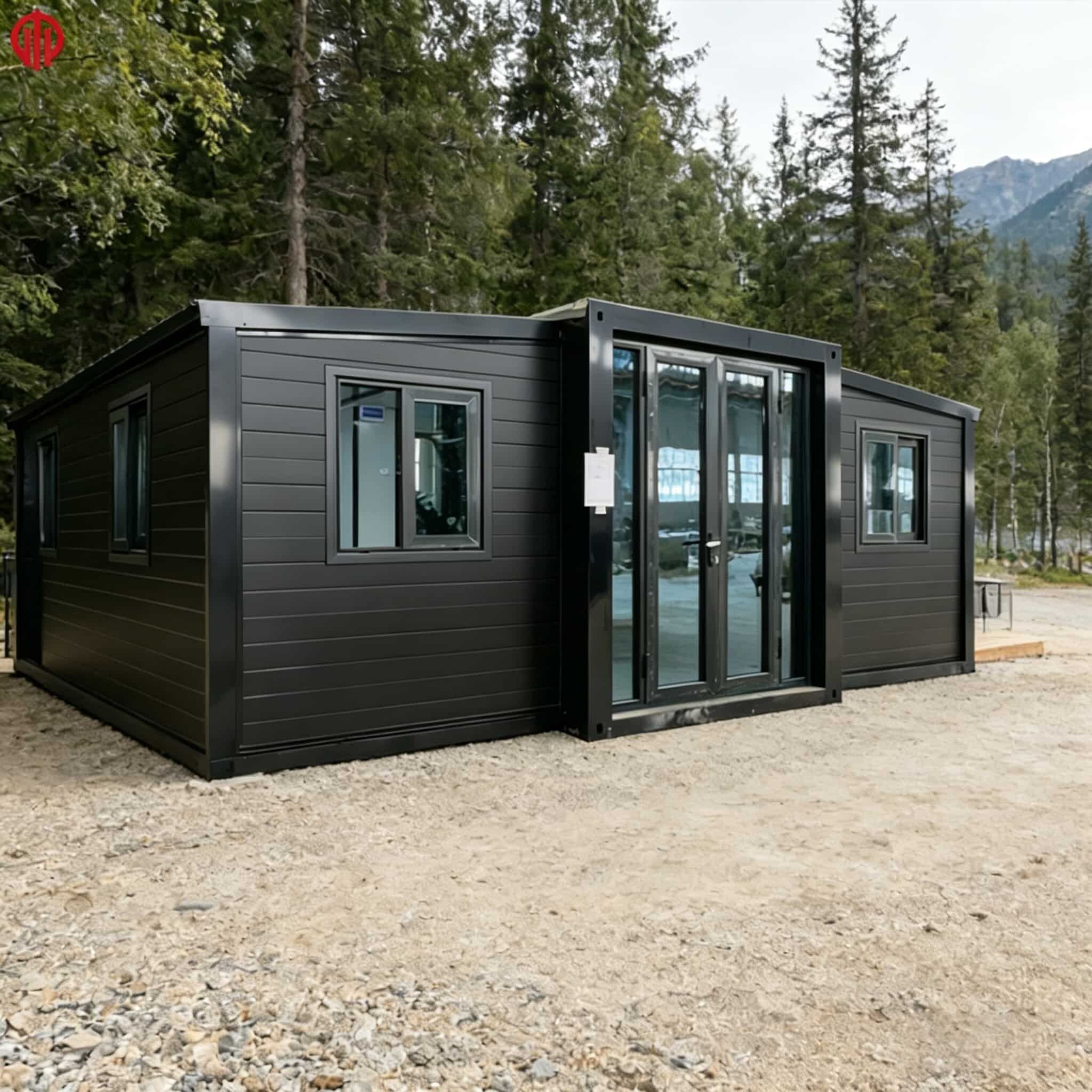
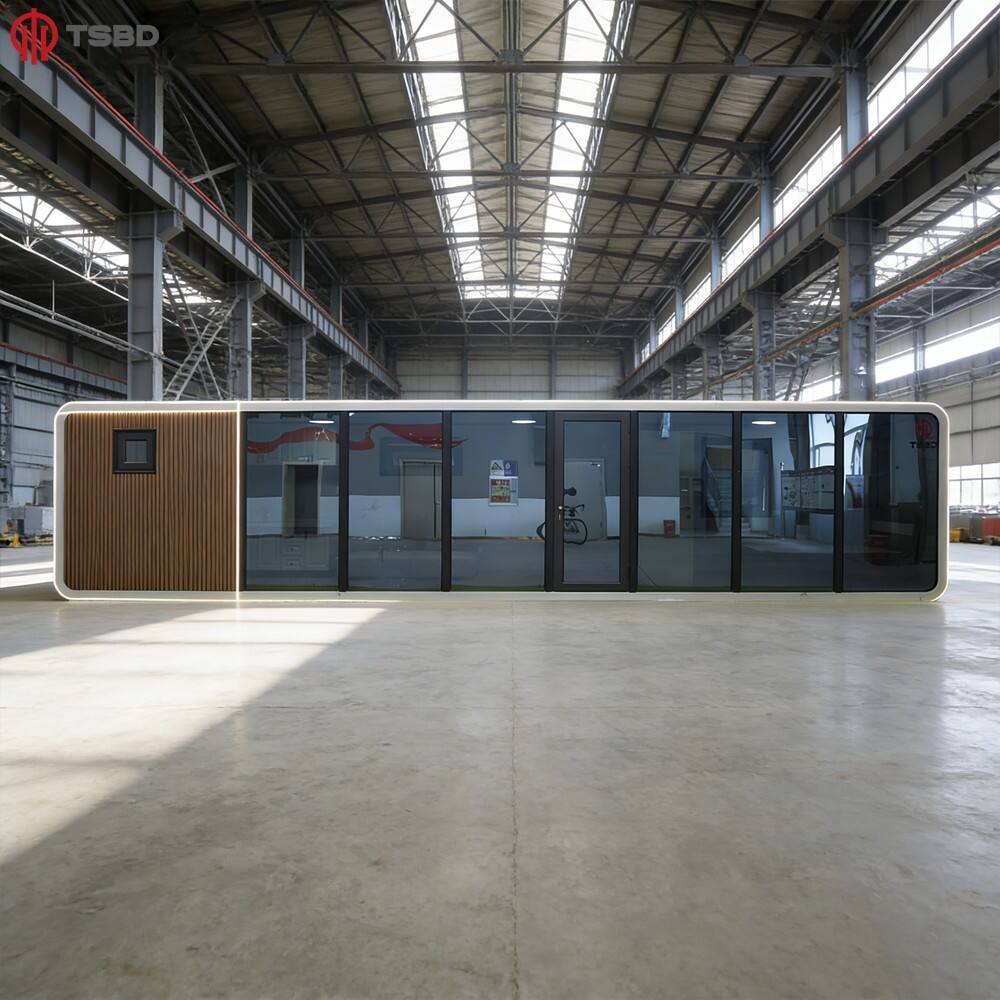
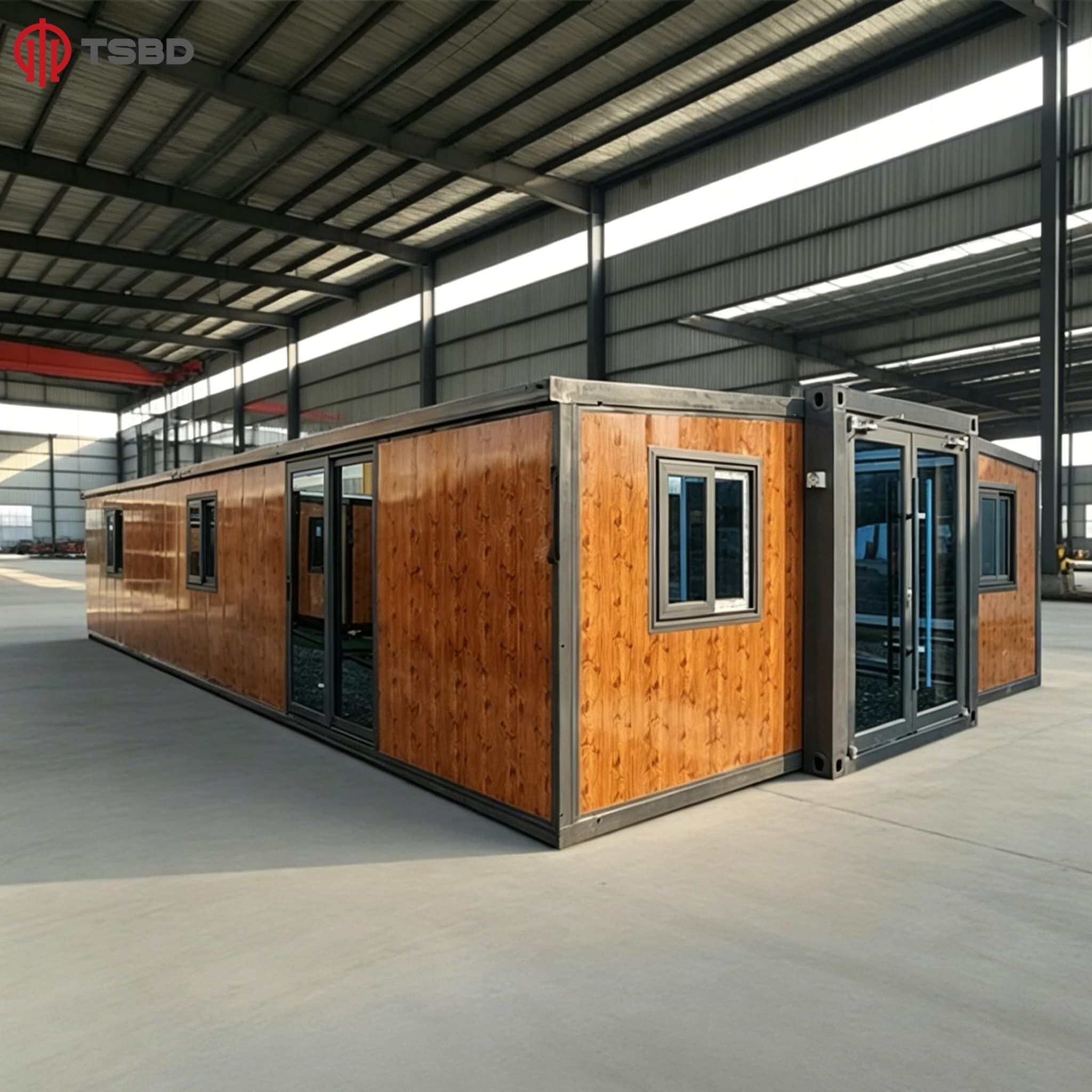
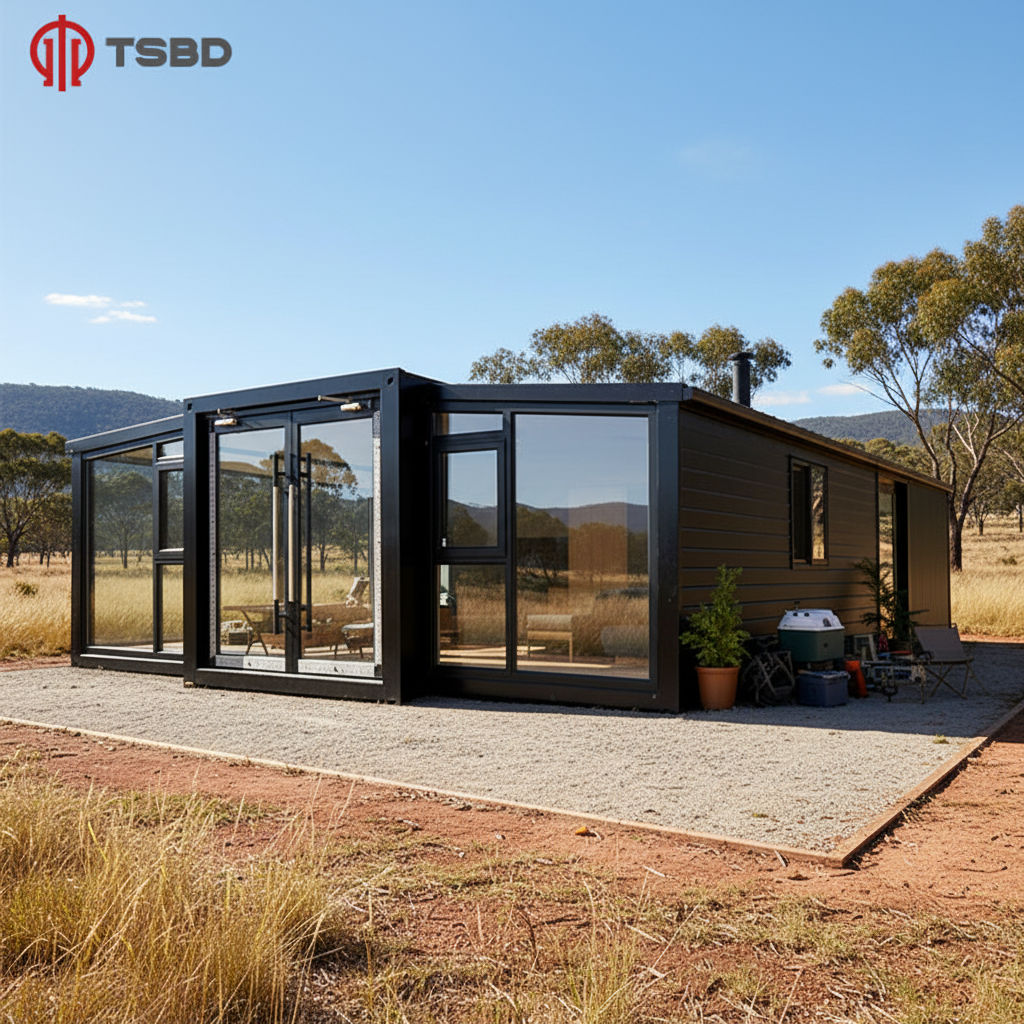
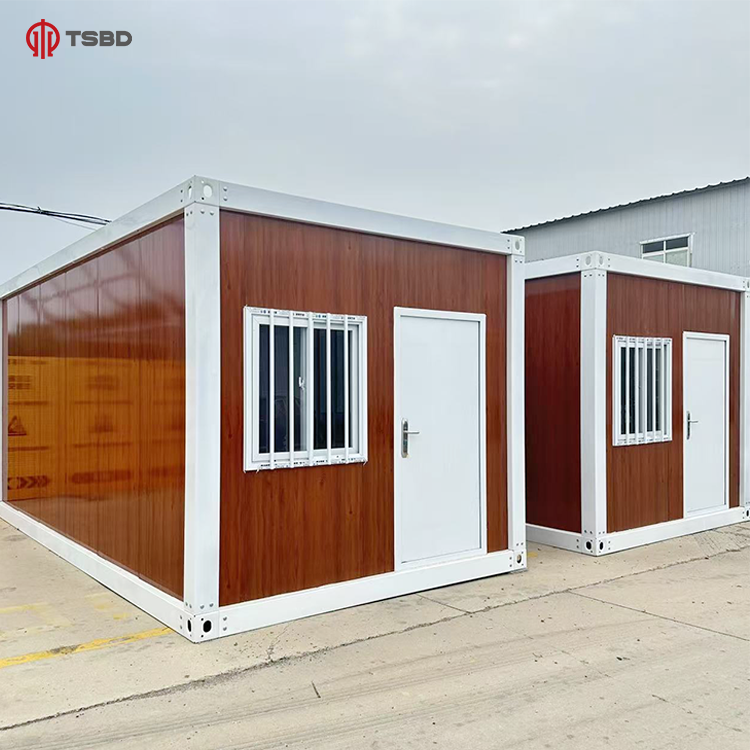
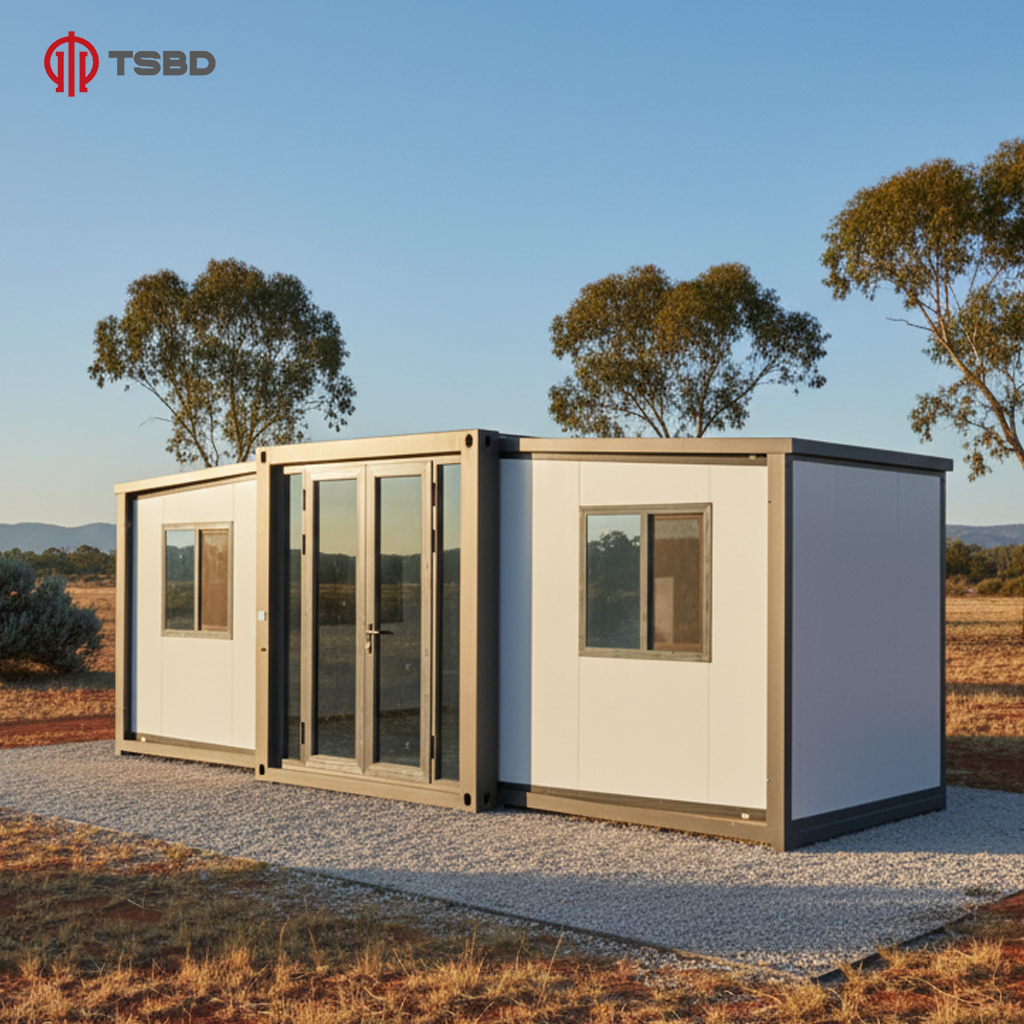
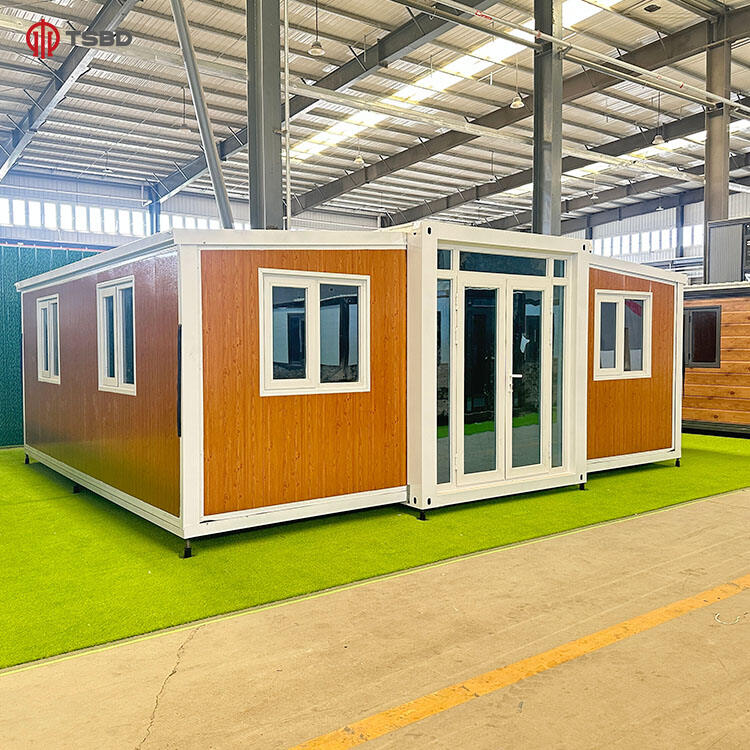
Financial considerations play a central role in rural housing decisions, and the foldable house for rural living delivers exceptional economic advantages throughout ownership spanning initial acquisition, installation, operation, and eventual disposition. The purchase price typically ranges from forty to sixty percent below comparable conventional construction, immediately providing substantial savings that can be redirected toward land acquisition, agricultural equipment, or quality-of-life improvements. This affordability opens rural living opportunities to families and individuals who might otherwise struggle to afford countryside relocation or property development. Transportation costs remain modest since the compact folded configuration allows efficient shipping, even to remote rural locations where construction material delivery might otherwise prove prohibitively expensive. Installation expenses stay minimal because the foldable house for rural living requires small crews, basic tools, and short timeframes, eliminating the extended labor costs associated with traditional building projects. You avoid paying for skilled tradespeople across months of construction, weather delays that extend project timelines, and coordination challenges that inflate conventional building budgets. Foundation requirements remain simple and inexpensive, often utilizing pier systems, adjustable supports, or minimal concrete pads rather than extensive excavation and poured foundations that consume significant portions of traditional construction budgets. This simplified approach proves particularly economical in rural areas where basement excavation might encounter rock, high water tables, or soil conditions requiring expensive engineering solutions. Ongoing operational costs decrease substantially through superior energy efficiency built into every foldable house for rural living, with thick insulation, strategic window placement, and tight construction standards that minimize heating and cooling expenses. In rural locations where energy costs can be high and infrastructure limited, these savings accumulate significantly across years of ownership. Maintenance expenses remain predictably low due to durable materials requiring minimal upkeep, with metal exteriors avoiding painting cycles, quality components reducing repair frequency, and simple mechanical systems that rural residents can often service independently. Insurance premiums frequently run lower for these structures due to fire-resistant construction, wind-resistant engineering, and reduced risk profiles compared to conventional rural buildings. Property value considerations favor the foldable house for rural living through maintained appearance, structural integrity, and market appeal to buyers seeking affordable rural properties with modern amenities. Should you eventually sell, the option to relocate the structure adds unique value, potentially recovering significant investment while offering the next landowner a turnkey rural residence. Tax implications may provide additional advantages depending on jurisdiction, with some areas classifying these structures favorably compared to permanent buildings, potentially reducing property tax burdens.